

If your shower suddenly has a weak spray, but the sink still has plenty of water, the problem is probably not your home’s overall water pressure. You may be wondering, why is my shower water pressure low when everything else seems to be working normally? In many cases, the cause is right at the shower, a clogged shower head, mineral buildup, a blocked flow restrictor, or a problem with the shower cartridge.
If the bathtub and other faucets are weak as well, the cause may be further back in the plumbing. A partially closed valve, pressure regulator problem, leak, or issue with the water supply can affect more than just one shower.
The first thing to do is compare the water flow from your shower with the other fixtures in your home. That will tell you where to start looking. From there, you can check the shower head and valve, look for signs of mineral buildup, and determine whether the problem is something you can fix yourself or one that needs a plumber.
Quick Causes and Fixes at a Glance
|
Common cause |
What you may notice |
Quick fix |
|
Clogged shower head |
Water sprays unevenly or trickles |
Clean the shower head |
|
Mineral buildup |
Small or blocked spray holes |
Remove limescale and deposits |
|
Flow restrictor |
Low flow from a newer shower head |
Check and clean the restrictor |
|
Faulty cartridge |
Hot or cold water flow is weak |
Replace the cartridge |
|
Valve problem |
Pressure changes when adjusting temperature |
Inspect the shower valve |
|
Partially closed shut-off valve |
Low flow at one fixture |
Open the valve fully |
|
Pipe blockage |
Weak flow that worsens over time |
Have pipes inspected |
|
Pipe corrosion |
Poor flow in an older home |
Consider pipe replacement |
|
Regulator issue |
Pressure is low throughout the home |
Test or replace the regulator |
|
Municipal supply problem |
Several homes may be affected |
Check with the water provider |
|
Plumbing leak |
Pressure drops with unexplained water use |
Find and repair the leak |
|
Low hot water pressure |
Cold water is stronger than hot |
Check the hot-water side |
Why Is My Shower Water Pressure Low?
If you are asking why is my shower water pressure low, start by looking at where and when the problem occurs. Is the shower the only fixture affected? Is the cold water strong but the hot water weak? Did the problem begin after you installed a new shower head?
These details can quickly narrow down the cause.
The Most Common Reasons for Low Shower Water Pressure
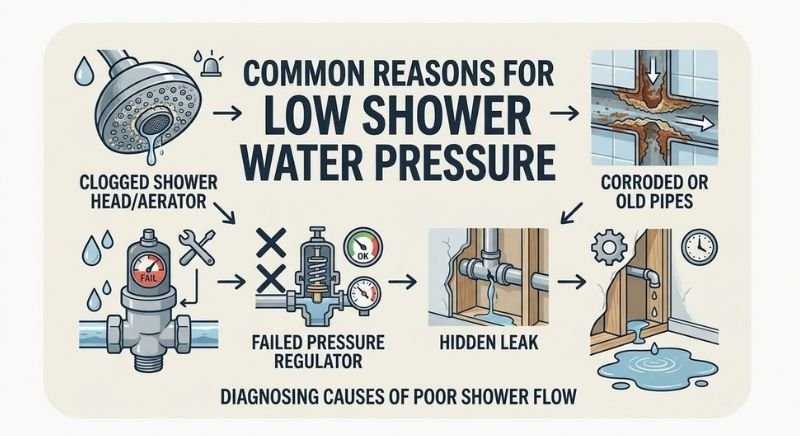
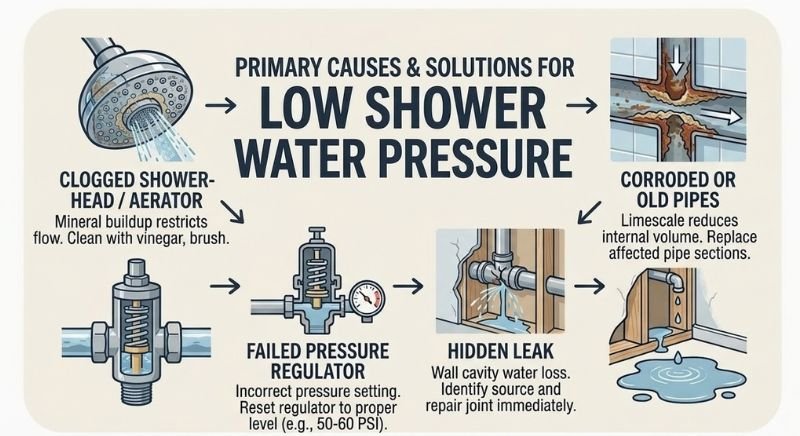
The most common causes include a clogged shower head, hard water deposits, a flow restrictor, a worn shower cartridge, a faulty pressure balancing valve, or a partially closed shut-off valve. Older plumbing systems can also suffer from corrosion and sediment buildup that restricts water flow.
If the entire home has weak water pressure, the issue may be farther upstream. A water pressure regulator, main water line, plumbing leak, or municipal water supply could be responsible.
Signs of Low Shower Water Pressure
You may have a pressure problem if:
- The shower water is trickling out instead of spraying firmly.
- The water flow changes while you shower.
- The shower takes longer to rinse soap or shampoo.
- The pressure drops when another fixture is running.
- The problem affects only hot or cold water.
- Your shower pressure suddenly dropped without any changes to the fixture.
Sometimes the issue is not true low water pressure. A clogged shower head or restrictive fixture can reduce water flow, making the shower feel weak even when the home’s actual pressure is normal.
Can Low Water Pressure Affect Only the Shower?
Yes. If your sink and bathtub work normally but the shower has low water pressure, the problem is likely inside the shower itself. The shower head, flow restrictor, shower cartridge, valve, or shower arm may be restricting water flow.
This is also why checking other fixtures is one of the easiest first steps when troubleshooting low water pressure in shower situations.
What Causes Low Shower Water Pressure?
Clogged Shower Head From Mineral Buildup
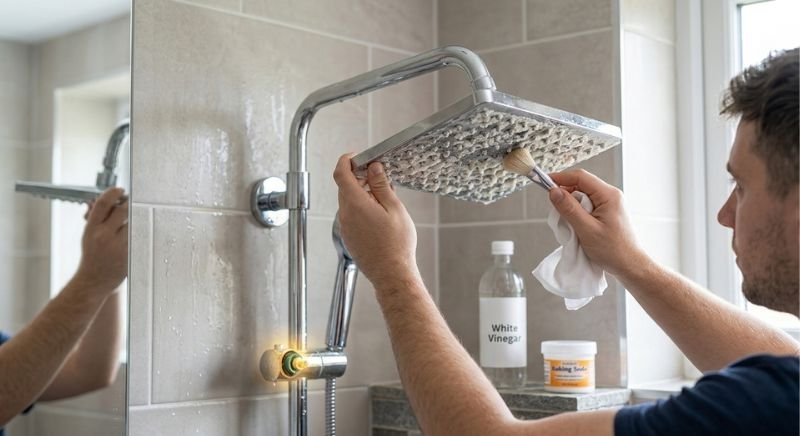
A clogged shower head is one of the simplest explanations for weak shower water pressure. Over time, minerals in the water can collect inside the tiny spray holes and reduce the amount of water that comes through.
You may notice uneven sprays, fewer active holes, or water shooting in strange directions. If your shower water is not coming out strong, removing the shower head and cleaning it is a good first step.
Hard Water Deposits
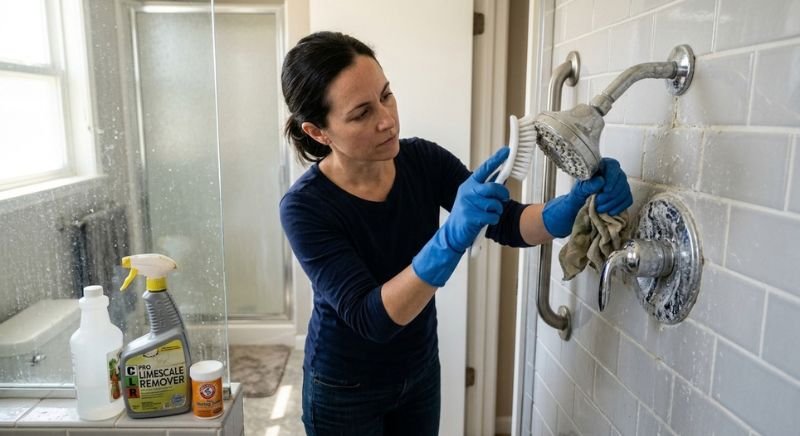
Hard water contains minerals such as calcium and magnesium. As water passes through your shower head, these minerals can leave behind limescale and other deposits.
The buildup may slowly narrow the passages inside the shower head. This can cause the shower water flow to become weak, even if the rest of your plumbing is working properly.
Flow Restrictor Inside the Shower Head
Many modern shower heads include a flow restrictor designed to limit water use. This is normal and often required by plumbing or water-efficiency standards.
However, a restrictor can sometimes become clogged with sediment or reduce flow more than expected. Before removing one, check the manufacturer’s instructions and local plumbing requirements. Cleaning the restrictor may solve the problem without changing the fixture’s intended design.
Faulty Shower Cartridge
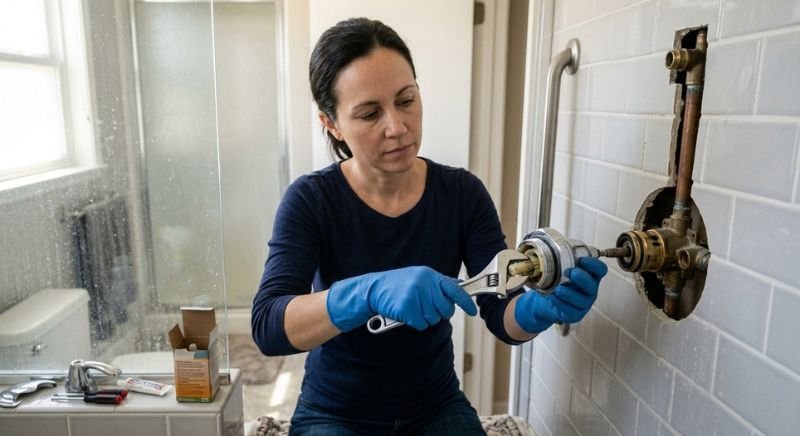
The shower cartridge controls the mix and flow of hot and cold water in many single-handle showers. When it becomes worn, dirty, or damaged, water may not pass through properly.
A faulty cartridge can cause weak flow, temperature problems, or pressure that changes when you move the handle. If cleaning the shower head does not help, the cartridge may need inspection or replacement.
Pressure Balancing Valve Problems
A pressure balancing valve helps maintain a steady temperature when water pressure changes elsewhere in the home. If the valve becomes clogged or fails, the shower may have poor flow or unusual temperature changes.
This problem is more likely when the shower has pressure issues that do not affect nearby sinks or other fixtures.
Partially Closed Shut-Off Valve
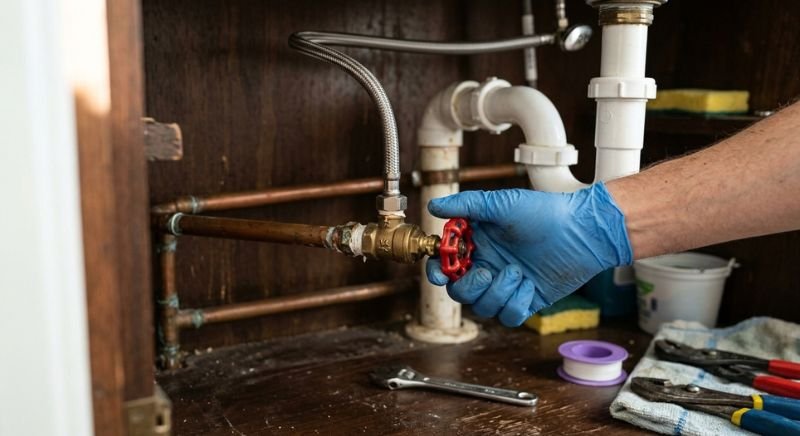
A shut-off valve that is not fully open can restrict water flow. This may happen after plumbing work, maintenance, or a repair.
Check accessible valves near the fixture and make sure they are fully open. Do not force a stuck or damaged valve, as this can cause a leak.
Pipe Corrosion or Pipe Blockage
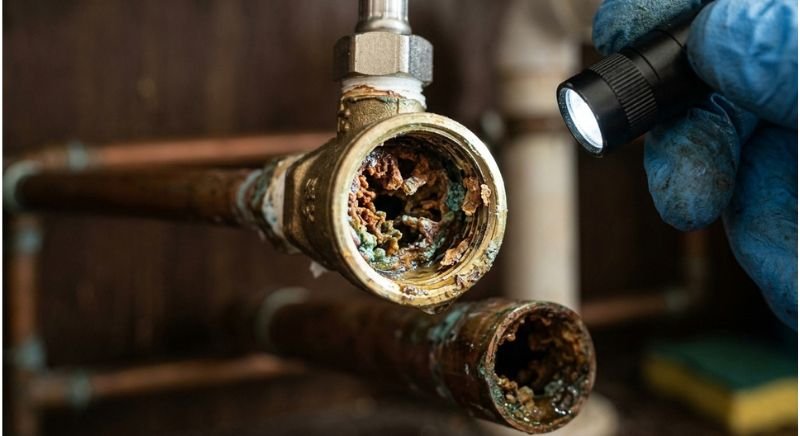
Older plumbing can develop internal restrictions. Corrosion, sediment, and debris can reduce the space available for water to move through the pipes.
This is especially common in older homes with galvanized pipes. If your shower pressure has slowly become weaker over months or years, restricted pipes may be part of the problem.
Water Pressure Regulator Issues
Some homes use a water pressure regulator, also called a pressure reducing valve, to control incoming water pressure. If it fails or becomes incorrectly adjusted, water pressure may become too low throughout the home.
If several fixtures suddenly have weak flow, the regulator deserves attention.
Municipal Water Supply Problems
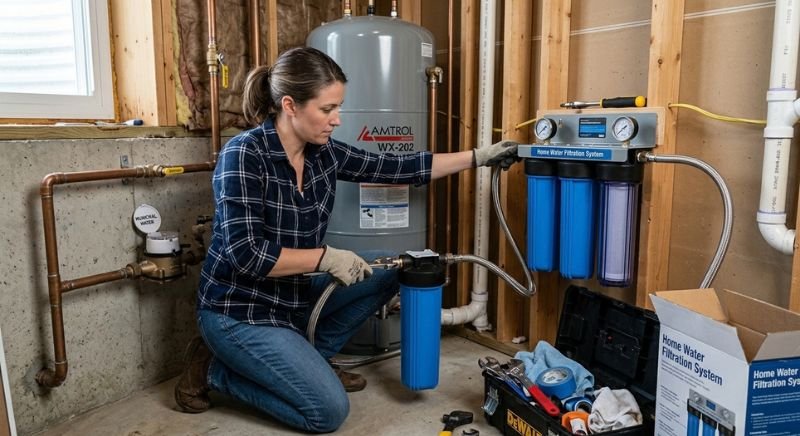
Sometimes the problem has nothing to do with your plumbing. Maintenance, water main work, system demand, or a temporary issue with the municipal water supply can affect pressure.
If your neighbors are experiencing the same problem, contact your local water provider before making major plumbing changes.
Plumbing Leaks
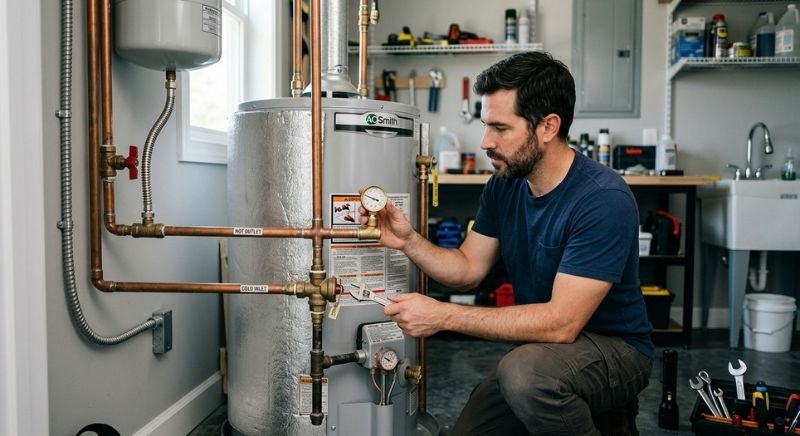
A hidden leak can reduce available water flow and cause pressure problems. Look for damp spots, unexplained water use, wet areas around pipes, or a water meter that continues moving when no water is being used.
A leak can also cause serious structural damage, so it should not be ignored.
Low Hot Water Pressure Only
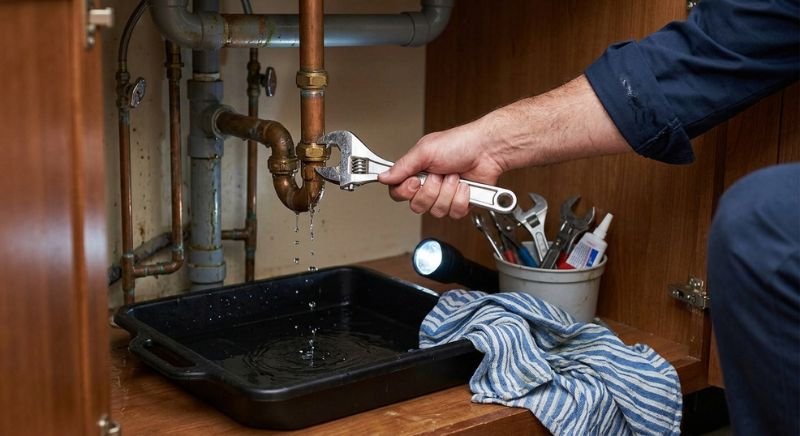
If cold water flows strongly but hot water barely comes out, the issue may be limited to the hot-water side. Possible causes include a restricted hot-water valve, a clogged cartridge, sediment, or a problem near the water heater.
This distinction is useful because it tells you the problem may not be the shower head itself.
Old Plumbing System
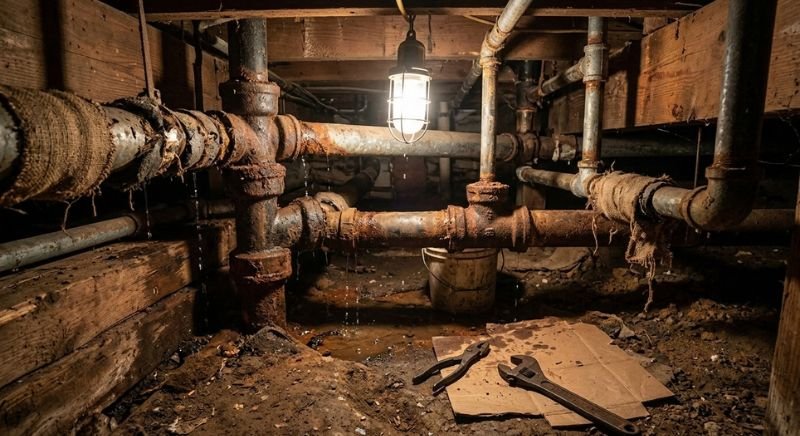
Older plumbing systems can develop several problems at once. Corroded pipes, outdated fixtures, sediment buildup, and smaller pipe sizes can all affect flow.
If the shower pressure keeps getting lower across multiple fixtures, a plumber may need to inspect the overall plumbing system rather than replacing one shower component.
How to Test Your Shower Water Pressure
Before trying to increase shower water pressure, it helps to determine whether you have a true pressure problem or a flow restriction.
Bucket Test Method
A bucket test can give you a rough idea of your shower’s water flow. Place a known-size bucket under the shower head and measure how long it takes to fill.
This is not the same as measuring water pressure, but it can help you compare the shower’s flow before and after cleaning the shower head.
Using a Water Pressure Gauge
A water pressure gauge provides a more direct measurement. You can usually connect one to a suitable outdoor faucet or another accessible connection, depending on your plumbing setup.
For a more accurate diagnosis, test when no other fixtures are running and compare the reading with the pressure at other fixtures. If pressure is low throughout the home, the problem is less likely to be limited to the shower head.
What Is Normal Shower Water Pressure?
Many residential plumbing systems operate around 40 to 60 psi, although the exact pressure can vary by home and local plumbing conditions. A reading below this range does not automatically mean something is wrong, and the pressure at your shower can differ from the pressure entering the home.
The key is to compare your readings and look for a noticeable drop or restriction. A shower can feel weak because of poor flow even when overall household pressure is acceptable.
How to Fix Low Shower Water Pressure
If your shower suddenly feels weak, the first question to answer is whether the problem affects the entire home or just the shower. A shower water flow that is weak while the sink and other fixtures work normally usually points to a restriction somewhere in the shower itself. A pressure drop throughout the home suggests a different problem, such as the regulator, main water line, water supply, or a leak.
This distinction helps explain why is my shower water pressure low and prevents you from replacing the shower head when the real problem is somewhere else.
Start by checking the shower head, accessible valves, and other shower components. If the problem began after plumbing work or after installing a new shower head, focus your troubleshooting on what changed.
Clean a Clogged Shower Head
A clogged shower head is one of the first things to check when shower water is not coming out strong. Mineral deposits and debris can block the small openings that distribute water, leaving you with a thin or uneven spray.
Remove the shower head according to the manufacturer’s instructions. Rinse it thoroughly and gently clean the spray holes to remove dirt and deposits.
If the fixture is heavily clogged, cleaning it may restore normal flow without replacing the shower head. This is especially worth trying when the problem developed gradually or the spray pattern has become uneven.
If you are experiencing shower water trickling out, a visibly dirty shower head is a logical place to start.
Remove Mineral Buildup Naturally
Hard water minerals can collect inside the shower head over time. As deposits build up, the openings become restricted and less water can pass through.
For mineral buildup, soak the shower head in white vinegar to help loosen deposits. A mild cleaning solution designed for bathroom fixtures may also work.
Avoid harsh chemicals that could damage the finish or internal parts. Always follow the manufacturer’s care instructions, particularly with specialty finishes.
If cleaning improves the spray, mineral buildup was likely contributing to the weak flow. If there is no improvement, the restriction may be farther back in the shower system.
Remove or Clean the Flow Restrictor
A flow restrictor can affect how much water reaches the shower head. If the restrictor is blocked by debris, cleaning it may improve flow.
This can be worth checking when the shower has suddenly become weak but the shower head itself appears clean.
Do not assume that removing the restrictor is always the right solution. It can increase water use and may conflict with the fixture’s design or local requirements.
Replace a Faulty Shower Cartridge
If cleaning the shower head does not solve the problem, the shower cartridge is another component to consider. A worn or blocked cartridge can restrict water flow at the shower even when other fixtures are working normally.
Cartridge replacement varies by shower model, so identify the correct part before starting.
If the cartridge is difficult to access or you are unsure how to shut off the water safely, a professional can handle the repair.
Check the Water Pressure Regulator
A regulator becomes more relevant when the pressure problem is not limited to one shower. If faucets and multiple showers throughout the house are also weak, the regulator or another part of the home’s water supply may be involved.
A regulator that is failing may need adjustment or replacement.
Because this component affects the home’s entire water supply, avoid making major adjustments without knowing the correct pressure range for your plumbing system.
Inspect Shut-Off Valves
A partially closed shut-off valve can restrict water flow. Check accessible valves to make sure they are fully open.
This is particularly useful if the pressure changes after plumbing work. Recent repairs can sometimes leave a valve partially closed or introduce debris into a fixture.
If a valve is stuck, corroded, or leaking, do not force it. A damaged valve may require professional repair.
Flush Sediment From Pipes
Sediment can collect in plumbing systems and restrict water flow. Depending on the age and design of your plumbing, flushing may help.
However, heavily corroded or blocked pipes may need more than a simple flush. A plumber can determine whether the pipes can be cleaned or need replacement.
Repair Plumbing Leaks
A leak can contribute to a drop in water pressure and should be addressed promptly.
Unexplained water use, damp walls, water stains, or a pressure drop without an obvious cause can indicate a hidden leak. Professional testing may be needed to locate it.
Fixing the leak can restore water pressure while also protecting your home from water damage.
Install a High-Pressure Shower Head
A high-pressure shower head can change how strong the spray feels, but it cannot correct a serious plumbing restriction.
If you install a new shower head and immediately notice shower pressure low after installing new shower head, check the replacement fixture before assuming the home’s plumbing has failed.
The new shower head may have a different flow rate or include a flow restrictor. A washer, screen, or connection may also have been installed incorrectly.
Choose a shower head that matches your plumbing system and local water-efficiency requirements.
How to Improve Shower Water Pressure Naturally
If you want to know how to fix weak shower water pressure without making major plumbing changes, start with the components that can restrict flow at the fixture.
Clean the shower head and remove mineral deposits. Check whether the flow restrictor is blocked. Make sure accessible valves are fully open. If other fixtures are using large amounts of water at the same time, test the shower again when demand is lower.
These steps may help when the problem is caused by a simple restriction. They are also a sensible starting point if you are looking for how to increase shower pressure without a pump.
However, if the pressure is low throughout the home, cleaning the shower head will not address the underlying cause. In that situation, the regulator, main water line, municipal supply, or another whole-house issue may need to be investigated.
Why Is My Shower Water Pressure Suddenly Low?
When pressure changes suddenly, think about what happened immediately before the problem started.
A sudden drop can follow plumbing repairs, a change in the water supply, a blocked fixture, a partially closed valve, a leak, or a regulator problem.
The most useful first test is to check another faucet or shower.
If everything is weaker, the problem may affect the home’s overall water supply. If the shower is the only fixture affected, focus on the shower head, cartridge, valves, and other local components.
Pressure Dropped Overnight
If your shower pressure dropped overnight, check another faucet before taking the shower apart.
If other fixtures have also lost pressure, the cause may be a water supply issue, regulator problem, or leak.
If the shower is the only fixture affected, inspect the shower head and other shower components first. A sudden change limited to one fixture is more likely to have a local cause.
Recent Plumbing Repairs
If the pressure changed after plumbing work, consider what may have been disturbed during the repair.
A valve may have been left partially closed, or debris may have entered a fixture. If the pressure dropped after a repair, contact the person who completed the work and explain when the problem began.
Water Supply Interruptions
Maintenance or emergency work on the local water system can temporarily affect pressure.
If other homes in your area are experiencing the same problem, the cause may be outside your plumbing system.
Why Is My Shower Water Pressure Low but the Sink Is Fine?
If you’re asking why is my shower water pressure low but my sink works fine, the difference between the two fixtures is an important clue.
A sink can have normal flow while the shower has a clogged head, restricted shower arm, or faulty valve. The shower has components that the sink does not, so a problem affecting only the shower does not necessarily mean the home’s overall water pressure is low.
The same reasoning applies when the shower has low water pressure but bathtub is fine. If the bathtub and sink have normal flow, start with the shower rather than the whole-house supply.
Shower-Specific Problems
When only the shower is weak, check the shower head first. If cleaning does not improve the flow, the next possibilities include the flow restrictor, cartridge, valve, or a local connection.
This is often the answer to why is only my shower water pressure low when other fixtures continue to work normally.
Clogged Shower Components
Mineral deposits can collect inside the shower head and other small passages.
Cleaning these components is often the easiest first step. If the shower head is clean but the flow remains weak, the restriction may be located deeper in the fixture or plumbing.
Faulty Shower Valve
A worn shower valve or cartridge can restrict flow while the sink remains unaffected.
If the shower head is clean and the problem continues, the valve may need inspection.
Why Is My Shower Water Pressure Low in One Bathroom?
If you have several bathrooms but one shower has low water pressure, the problem is likely limited to that bathroom or its plumbing branch.
Pipe Restrictions
A blockage or corrosion in the branch pipe serving that bathroom can reduce water flow. This may become more likely in older homes.
Shower Valve Issues
A faulty valve or cartridge can affect one shower without changing pressure elsewhere.
This is especially relevant when the shower is the only fixture with a problem and cleaning the shower head has not helped.
Local Plumbing Problems
A partially closed valve, clogged fixture, or damaged connection may be responsible.
A plumber can isolate the affected section and identify the restriction if basic troubleshooting does not resolve the problem.
Why Is My Shower Water Pressure Low After Replacing the Shower Head?
If you have shower water pressure low after replacing shower head, consider the new fixture before assuming the plumbing has developed a problem.
A replacement shower head can change the amount of water delivered or the way the spray feels.
Flow Restrictor Installed
The new fixture may include a flow restrictor that limits water use.
Check the manufacturer’s specifications to understand its expected flow rate. A lower-flow design can feel noticeably different from an older shower head even when the fixture is working correctly.
Incorrect Shower Head Installation
A washer, screen, or connection installed incorrectly can restrict flow.
Remove and reinstall the fixture carefully according to the manufacturer’s instructions. Check that components are positioned correctly and that debris has not become trapped during installation.
Low-Flow Shower Head Design
Some efficient shower heads use less water by design.
They can still provide a comfortable spray, but the flow may feel different from an older, higher-flow model. If the new fixture produces a weaker spray than expected, compare its specifications with those of the previous shower head.
Can a Clogged Shower Head Cause Low Water Pressure?
Yes. A clogged shower head can cause what feels like low water pressure, although the more precise issue is reduced water flow at the fixture.
Mineral deposits and debris can block the small openings that distribute water. The result may be a weak spray, uneven coverage, or shower water trickling out.
How Mineral Buildup Restricts Water Flow
Hard water minerals can build up inside the shower head over time.
As deposits accumulate, the spray openings become restricted. Less water can pass through, which can make the shower feel weak even though the home’s overall water supply has not changed.
When Cleaning Is Enough
Cleaning is worth trying when the shower head is visibly dirty or the problem developed gradually.
If the flow improves after cleaning, you have likely found the cause.
When You Should Replace the Shower Head
Replacement makes sense when the fixture is badly damaged, heavily clogged, or too old to clean effectively.
It may also be a good choice if you want a different spray pattern or a more efficient design.
If you experience shower pressure low after cleaning shower head, however, replacing the fixture immediately may not solve the problem. The cause could be the cartridge, valve, flow restrictor, or another restriction.
Low Hot Water Pressure in Shower
If you have low hot water pressure in shower but cold water flows normally, pay attention to the difference between the two water supplies.
A worn or partially blocked cartridge can restrict hot water flow while allowing cold water to flow more freely.
If the problem affects only hot water, this can help narrow down the source of the issue. If cleaning the shower head does not change the difference between hot and cold flow, the shower valve or cartridge may need inspection.
Low Cold Water Pressure in Shower
If you have low cold water pressure in shower while hot water appears normal, the problem may be isolated to the cold-water side of the valve or another component supplying the shower.
Checking the shower head is still a sensible first step, but persistent differences between hot and cold flow may point toward the shower valve or cartridge.
When Should You Call a Plumber?
Not every shower pressure problem requires professional help. The important question is whether the issue can be traced to a simple fixture restriction or whether there are signs of a deeper plumbing problem.
Pressure Problems Throughout the House
If every faucet and shower has weak pressure, the cause may involve the regulator, main water line, municipal supply, or another whole-house issue.
This is different from a situation where only the shower has low water pressure. When multiple fixtures are affected, replacing the shower head is unlikely to solve the underlying problem.
Hidden Pipe Leaks
Unexplained water use, damp walls, water stains, or a pressure drop without an obvious cause can indicate a hidden leak.
Professional testing may be needed to find the source.
Major Plumbing Repairs
Call a plumber when you need to replace corroded pipes, repair a major leak, replace difficult-to-access valves, or work on the main water supply.
Professional help can prevent a small problem from becoming an expensive repair.
How to Prevent Low Shower Water Pressure
Clean the Shower Head Regularly
Regular cleaning prevents mineral deposits from building up inside the spray openings.
If you live in an area with hard water, you may need to clean the fixture more often. Regular maintenance can help prevent the gradual decline in flow that makes shower water pressure keeps getting lower over time.
Reduce Mineral Buildup
A suitable whole-house water treatment system may help manage hard water, depending on your home’s needs.
Regular fixture cleaning is still important because deposits can accumulate directly inside the shower head.
Inspect Plumbing Fixtures
Check shower heads, valves, connections, and accessible pipes for signs of buildup, corrosion, or leaks.
Catching small problems early can prevent bigger shower water pressure problems later.
Monitor Water Pressure
Occasional pressure checks can help you notice changes before they become serious.
If pressure gradually falls across the home, investigate the cause instead of simply replacing the shower head. A shower head can improve the spray experience, but it cannot correct a whole-house pressure problem.
Conclusion
The best way to figure out why is my shower water pressure low is to identify where the restriction is occurring instead of immediately replacing the shower head or adding a pump.
If your sink and bathtub have normal flow but the shower is weak, start with the shower head, mineral buildup, flow restrictor, valve, and cartridge. If the pressure is weak throughout the house, the cause is more likely to involve the regulator, main water line, water supply, or a leak.
The timing of the problem also matters. A sudden drop after plumbing work can point to a partially closed valve or debris in the fixture, while low shower pressure after replacing or changing the shower head may be related to the new fixture’s flow rate, restrictor, or installation.
By matching the symptoms to the most likely cause, you can avoid replacing parts that aren’t actually faulty and focus your troubleshooting on the right place. If basic checks do not restore the flow, or you suspect a hidden leak, blocked pipes, or a larger plumbing issue, a professional inspection is the safest next step.
FAQs
Why is my shower water pressure suddenly low?
A sudden pressure drop may be caused by a clogged shower head, a partially closed valve, plumbing repairs, a failing regulator, a leak, or a temporary municipal water supply problem.
Check other fixtures first. If the entire home is affected, investigate the overall water supply. If the problem is limited to the shower, start with the shower head and other local components.
What causes low shower water pressure?
Common causes include mineral buildup, a clogged shower head, a flow restrictor, a faulty cartridge, valve problems, pipe corrosion, blockages, leaks, and low pressure entering the home.
The most likely cause depends on whether the problem affects one shower, several fixtures, or the entire house.
Why does only my shower have low water pressure?
If you’re asking why does only my shower have low water pressure, the shower head, flow restrictor, shower cartridge, valve, or local pipe connection is often responsible.
Cleaning the shower head is a good first step. If that does not improve the flow, inspect the other shower-specific components.
Why is my shower pressure low but my bathtub is fine?
If your shower has low water pressure but bathtub is fine, the problem is more likely to be limited to the shower.
Check the shower head, flow restrictor, valve, cartridge, and connecting components rather than immediately assuming the home’s main water pressure is low.
Can a clogged shower head cause low water pressure?
Yes. Mineral deposits and debris can block the small openings in a shower head, reducing water flow and creating a weak spray.
Cleaning or replacing the fixture may solve the problem if the restriction is inside the shower head.
How do I increase my shower water pressure?
To increase shower water pressure, first find the cause.
Clean the shower head, check for mineral buildup, inspect the flow restrictor, make sure accessible valves are fully open, and consider whether the problem affects other fixtures.
If the pressure is low throughout the home, you may need professional help with the regulator or plumbing system.
How can I increase shower pressure without a pump?
If you want to know how to increase shower pressure without a pump, start by removing restrictions rather than adding equipment.
Clean a clogged shower head, remove mineral buildup, check the flow restrictor for debris, and make sure valves are fully open. If these steps do not improve the flow, the cause may require further plumbing inspection.
Why is my shower water pressure low but my sink works fine?
This usually means the problem is limited to the shower. A clogged shower head, faulty cartridge, restricted valve, or blocked shower component may be reducing flow while the sink continues to work normally.
Can hard water reduce shower water pressure?
Yes. Hard water can leave mineral buildup inside the shower head and restrict water flow. Regular cleaning can help prevent deposits from becoming severe and affecting the spray.
Why is my shower pressure weak all of a sudden?
A sudden change may come from a clogged component, a partially closed valve, recent plumbing work, a leak, or a temporary water supply problem.
Check whether other fixtures have also lost pressure. That will help determine whether the cause is limited to the shower or affects the wider plumbing system.
Why is my shower pressure low after replacing the shower head?
The new shower head may have a lower flow rate or a built-in flow restrictor. Installation problems or a clogged screen can also reduce flow. Check the fixture, its connections, and the manufacturer’s specifications before assuming there is a larger plumbing problem.
Why is my shower pressure low after cleaning the shower head?
If you still have shower pressure low after cleaning shower head, the restriction may not be inside the shower head.
Check the flow restrictor, valve, cartridge, shut-off valves, and water supply. If other fixtures have normal pressure, focus on the shower-specific components first.
Why is my shower pressure inconsistent?
Inconsistent shower pressure can be caused by changes in household water use, a partially restricted component, a faulty valve, or fluctuations in the water supply.
If the pressure changes significantly or continues to worsen, further inspection may be needed to identify the cause.
Why does my shower take too long to rinse?
If your shower takes too long to rinse, a weak or restricted spray may be reducing the amount of water reaching you.
Start by checking the shower head for mineral buildup or debris. If cleaning does not improve the spray, investigate the flow restrictor, cartridge, valve, or other components that could be limiting flow.
Do I need a plumber for low shower water pressure?
Not always. Simple problems such as a dirty shower head, mineral buildup, or a partially closed accessible valve can often be addressed with basic troubleshooting.
Call a plumber if pressure is low throughout the house, you suspect a hidden leak, pipes are corroded or blocked, or the issue continues after basic troubleshooting.