
Your home’s electrical system works quietly in the background, so it is easy to overlook until a breaker trips, an outlet feels warm, or lights begin to flicker. A professional home electrical inspection helps identify potential shock and fire hazards, evaluate accessible electrical components, and clarify which repairs or upgrades may be needed. It provides a focused assessment rather than a guarantee that every hidden defect will be found.
A home electrical safety inspection may be useful when buying an older property, planning a renovation, adding major appliances, or investigating recurring electrical problems. An electrician may assess visible wiring, the service panel, outlets, switches, grounding, and protective devices, then explain findings in a written report. Scope varies with the property’s condition, access, purpose of the visit, and local requirements. If a problem is found, understand its risk and arrange qualified repairs instead of attempting hazardous work yourself.
What Is a Home Electrical Inspection?
A home electrical inspection is a professional assessment of a home’s electrical system and accessible components. Its purpose is to identify conditions that may create shock, overheating, fire, reliability, or code-compliance concerns. Depending on the service, the electrician may conduct a visual review, perform selected tests, examine the panel, and document defects or recommended improvements.
Terms such as electrical home inspection, electrical house inspection, and house electrical inspection are often used for similar services, but coverage can differ. A basic safety check may focus on a known concern, while a full home electrical inspection or whole home electrical inspection may cover a broader range of circuits and components. Ask what is included and whether you will receive a written report before booking.
What Is the Difference Between an Electrical Inspection and a General Home Inspection?
A general home inspection surveys many parts of a property, including the roof, structure, plumbing, heating and cooling, and visible electrical features. Its electrical review is one part of a wider assessment and may flag concerns without diagnosing a complex electrical issue. It should not be assumed to include detailed testing of every circuit or concealed connection.
A dedicated residential electrical inspection focuses specifically on electrical safety and system condition. A qualified electrician can assess components in greater depth and recommend appropriate repairs. A real-estate inspection, an electrical safety evaluation, and a permit-related inspection can serve different purposes, so confirm which service your situation calls for.
Who Performs a Residential Electrical Inspection?
A qualified, appropriately licensed electrician is often the right professional for a residential electrical safety inspection. Licensing, certification, permit authority, and insurance requirements vary by state and locality, so verify credentials for your area and the work involved. A local building or electrical inspector may also be involved when permitted work needs official review.
When hiring an electrician for home inspection or an electrician for electrical inspections, explain whether you are buying a property, investigating a fault, or requesting a broad safety review. This context helps the provider recommend a suitable residential electrical assessment rather than a service that is too limited or more extensive than necessary.
Signs Your Home May Need an Electrical Inspection
Some electrical issues are inconvenient; others can signal a serious hazard. A recurring symptom deserves attention even if the system appears to work most of the time. A professional electrical safety inspection can help distinguish a minor issue from a condition that needs prompt repair. Do not ignore a warning sign simply because resetting a breaker or switching off a device seems to resolve it temporarily.
Circuit Breakers That Trip Frequently
A breaker that trips repeatedly may be responding to an overloaded circuit, a faulty appliance, a short circuit, a ground fault, or another problem. Do not replace it with a higher-rated breaker or keep resetting it without understanding why it trips. If it trips again, stop using the affected circuit and arrange for an electrician to assess it.
Lights That Flicker or Dim Unexpectedly
A single flickering bulb may be loose, aging, or incompatible with its fixture. Lights that dim when an appliance starts, flicker across multiple rooms, or change brightness repeatedly may point to a circuit, connection, or supply issue. Note when it happens and which rooms are affected, then contact an electrician rather than opening switches or fixtures.
For more guidance on flickering lights and other electrical concerns, if you’ve ever wondered why does a circuit breaker keep tripping? Continue reading this blog.
Warm, Discolored, or Damaged Electrical Outlets
An outlet or switch plate that feels unusually warm, looks scorched, has cracks, or no longer holds a plug securely may indicate a loose connection, damaged device, or overheating. Stop using the affected outlet and do not touch exposed parts. Ask a qualified electrician to assess it promptly, especially if heat or discoloration is present.
Learn more information about home electrical guide from our blog.
Burning Smells, Buzzing Sounds, or Sparking
A persistent burning-plastic smell, buzzing or sizzling from an outlet or panel, visible arcing, or smoke can indicate an immediate hazard. Stay away from the affected equipment and do not investigate by removing covers or touching the panel. If there is smoke, fire, active sparking, or a strong burning smell, move people away, leave the area if needed, and contact emergency services or the fire department as appropriate. Do not put yourself at risk trying to shut off power.
If there is no immediate emergency but you notice unusual electrical sounds or odors, stop using the affected equipment and seek prompt professional help. These symptoms are not appropriate for trial-and-error DIY troubleshooting.
Old Wiring or an Outdated Electrical Panel
Older wiring is not automatically unsafe, but age, deterioration, past alterations, overloaded circuits, or obsolete components can create concerns. A panel that shows corrosion or damage, or cannot reliably support the home’s electrical demand, deserves professional evaluation. Avoid removing the panel cover or handling wiring to investigate.
If the property is older, has a history of DIY electrical work, or has added high-demand equipment, ask whether a broader electrical system inspection is appropriate. A targeted electrical panel inspection may also be recommended, depending on the condition and reason for the appointment.
What Does an Electrician Check During a Home Electrical Inspection?
The inspection may include a visual review, selected electrical tests, and an examination of accessible equipment. Scope depends on the home’s age and condition, the purpose of the visit, access, and local rules. A full home electrical inspection is not necessarily identical from one provider to another, so confirm coverage before work begins.
An electrician may identify damaged components, unsafe alterations, missing or unsuitable protection, signs of overheating, or capacity concerns. A report should explain what was observed, what could not be assessed, and which issues need attention. Homeowners should not open panels, remove device covers, or handle exposed wiring as part of preparation.
Electrical Wiring and Connections
During an electrical wiring inspection, the electrician may review visible cables, accessible junctions, wiring methods, insulation condition, and signs of damage or overheating. The aim is to identify visible deterioration, unsuitable alterations, exposed conductors, or connections that warrant further investigation. Concealed wiring may not be fully visible without additional access or testing.
If you need an electrician to check wiring, describe renovations, recurring faults, or areas where wiring may have been altered. The professional can determine whether a wiring inspection is sufficient or whether more investigation is needed. Do not try to inspect wiring inside walls, outlets, fixtures, or electrical enclosures yourself.
Electrical Panel, Circuit Breakers, and Circuit Capacity
An electrical panel inspection may look for visible damage, corrosion, overheating, poor labeling, unsuitable components, and other conditions requiring assessment. The electrician may also consider whether the panel and circuits appear appropriate for the home’s electrical loads. Determining capacity is more than counting open breaker spaces; it can require evaluating the service, circuits, and expected demand.
The professional may explain whether inspecting electrical panels revealed an immediate safety concern, a maintenance issue, or a reason to consider an upgrade. Panel replacement is not automatically necessary just because a home is old. Because the panel can contain dangerous live parts, leave the cover and internal components to qualified professionals.
Electrical Outlets, Switches, and Grounding
Outlets and switches may be checked for physical damage, secure installation, signs of overheating, and correct operation. The electrician may test selected receptacles to evaluate polarity and grounding, where appropriate. A three-prong outlet does not by itself prove that an effective equipment ground is present, and visual appearance alone cannot confirm safe wiring.
A simple tester can provide limited information, but it cannot replace a professional assessment. If you research how to test if an outlet is grounded, treat a homeowner test as an initial check only; do not remove outlet covers or touch wiring. A professional electrical check can investigate suspected grounding problems and recommend suitable corrections.
GFCI and AFCI Protection
Ground-fault circuit interrupters (GFCIs) are designed to reduce the risk of electric shock by responding to certain current imbalances. They are commonly required in locations where moisture or contact with grounded surfaces can increase shock risk, though exact placement rules depend on the applicable code and property. Arc-fault circuit interrupters (AFCIs) are designed to detect certain dangerous arcing conditions that may lead to fires.
The electrician may check whether relevant protective devices are present, accessible, and operating as intended. If a GFCI trips repeatedly or will not reset, do not keep forcing it back on. For more information about GFCI outlets and electrical safety, browse Homnesto’s Electrical category. Recurring trips or signs of damage warrant professional assessment.
H3: Smoke Alarms and Other Relevant Electrical Safety Features
Depending on the agreed scope, the electrician may review smoke alarms, carbon monoxide alarms, surge protection, or other safety features connected to the home’s electrical system. Some devices are battery-powered, and their maintenance may fall outside the electrical inspection itself. Ask which devices will be checked and whether testing is included.
Smoke and carbon monoxide alarm requirements differ by location and building type. The electrician can point out apparent gaps, but homeowners should confirm applicable local requirements and maintain alarms according to manufacturer instructions. A home safety review should also note limitations in the inspection report.
Visible Signs of Damaged or Unsafe Electrical Components
An inspection may document cracked covers, exposed conductors, loose devices, corrosion, water intrusion, scorch marks, or signs that components have overheated. The electrician may recommend repair, replacement, further testing, or access to a concealed area if visible evidence suggests a deeper issue.
The report should distinguish observed conditions from suspected causes. An electrical evaluation may identify a risk that requires further diagnosis rather than provide a definitive answer immediately. Ask what evidence supports each recommendation and what should be addressed first.
When Should You Schedule a Home Electrical Inspection?
There is no single inspection schedule that fits every property. Age, condition, past work, local rules, insurance requirements, and how the home is used all matter. Instead of relying on a fixed interval alone, consider the system’s history and whether a change in the property creates a new reason for review.
When Buying an Older Home
A general home inspection can identify electrical concerns, but a dedicated electrical assessment may be worthwhile before closing on an older property, particularly if wiring history is unclear or the panel appears dated. It can help you understand safety issues, discuss repairs with the seller, and plan for future electrical needs before committing to the purchase.
Ask whether the report will distinguish urgent defects from upgrades that may be desirable but are not immediately necessary. Requirements from lenders, insurers, sellers, or local authorities can vary, so confirm any specific documentation needed for the transaction.
Before Selling Your Home
An electrical inspection for home sale can help you learn about electrical concerns before a buyer’s inspection or a requested repair. It may be useful when the home has had additions, older wiring, or undocumented electrical changes. The inspection does not guarantee that a buyer, insurer, or local authority will accept the system without further work.
Ask whether the service is intended as a general safety review, a specific defect assessment, or documentation for a defined transaction. Requirements differ by jurisdiction and sale circumstances; do not assume every home sale legally requires a separate electrical inspection.
Before a Major Home Renovation
Before changing a kitchen, bathroom, basement, or other heavily serviced area, an electrician can assess whether the existing system is suitable for the proposed work. A home renovation inspection may identify capacity constraints, older wiring, grounding concerns, or opportunities to plan circuits and protective devices before finishes are installed.
Discuss planned appliances, lighting, heating equipment, and other new loads early. Renovation permits and inspections may be required depending on the work and local rules. This article covers evaluation of an existing home; construction-stage rough-in inspections are a separate topic with a different purpose.
After Significant Electrical Work or System Changes
Consider professional review after a major panel change, substantial rewiring, a new high-demand appliance, or other work that changes how the home uses electricity. The appropriate inspection or approval may depend on the type of work, whether permits were required, and local procedures. Keep invoices, permits, and completion documents for future reference.
If work was completed by a contractor, ask what testing and approvals were included and whether a separate inspection is required. A targeted assessment may be enough for a small change, while broader work can justify a more comprehensive review.
When an Older Electrical System Has Not Been Professionally Evaluated
If you do not know when the electrical system was last evaluated, or the home has decades of undocumented changes, ask a qualified electrician whether an inspection is sensible. The age of the house alone does not establish that wiring is dangerous, but it can make the system’s history more important.
How to Prepare for a Home Electrical Inspection
A little preparation helps the electrician focus on your concerns and understand the system’s history. Good electrical inspection prep does not involve testing live circuits, removing covers, or attempting repairs. Your role is to share observations, gather records, and make safe access possible.
List Electrical Problems You Have Noticed
Write down what happened, where it happened, and how often. Note whether a breaker trips after a particular appliance starts, whether flickering affects one room or several, or whether an outlet has visible discoloration. Include dates or circumstances if you remember them, and tell the electrician if the problem is ongoing.
This list helps the professional decide which symptoms to investigate first. Do not recreate a dangerous condition for demonstration, repeatedly reset a breaker, or continue using equipment that appears damaged.
Gather Available Electrical and Renovation Records
Collect permits, contractor invoices, panel schedules, renovation records, appliance installation information, and prior inspection reports if available. Do not worry if some records are missing; simply tell the electrician what you know and what remains uncertain.
Records can help explain why circuits were added, whether the panel was changed, and which work was performed by a professional. They also make it easier to track recommendations and show which repairs have already been completed.
Make Relevant Areas Accessible
Move stored items or furniture away from the electrical panel, outlets, switches, and other areas the electrician needs to reach. Secure pets and ensure the work area has safe access. Do not remove panel covers, move heavy equipment that could expose wiring, or clear an area if doing so puts you near damaged electrical components.
If access is blocked by built-in finishes, locked rooms, or stored belongings, tell the electrician in advance. The inspection may be limited if important components cannot be reached safely.
Explain Recent Renovations and New Electrical Appliances
Tell the electrician about remodels, added outlets, new HVAC equipment, electric vehicle charging, hot tubs, workshop equipment, or other changes that may affect electrical demand. Share appliance specifications or installation documents if available. A change in load may be relevant even when the new equipment appears to work normally.
Mention work completed by previous owners or contractors, including changes that may not have been permitted. The goal is to give the professional enough context to assess the system, not to assign blame for old work.
Confirm the Inspection Scope Before the Appointment
Ask which areas and components will be examined, whether testing is included, whether the panel will be evaluated, and whether the service includes a written report. Clarify exclusions such as concealed wiring, detached structures, specialty equipment, or permit-related sign-off.
When preparing for electrical inspection, also ask how long the appointment is expected to take, what access is needed, and whether the electrician needs documents in advance. These questions help you compare providers on the service being delivered, not just the quoted fee.
What Happens During a Home Electrical Inspection?
The appointment usually begins with a conversation about the home and the reason for the visit. The electrician then reviews the agreed scope, examines accessible components, performs relevant checks, and documents findings. The order and depth of testing vary by property, inspection purpose, and professional procedures.
Initial Discussion and Visual Assessment
The electrician may ask about the home’s age, known electrical work, recent renovations, recurring symptoms, and specific concerns. They may then make an initial visual assessment of accessible areas and decide whether the agreed scope needs clarification.
If a potentially dangerous condition is visible, the electrician may prioritize it or recommend stopping use of the affected equipment. If the issue requires specialist work, opening finishes, or a separate permit inspection, the professional should explain that limitation rather than imply the initial visit covers everything.
Inspection and Testing of Accessible Electrical Components
The electrician checks components included in the service and may use appropriate testing equipment to evaluate selected outlets, protective devices, circuits, or other accessible parts. Tests should be performed by the professional using suitable procedures; homeowners should not imitate them or handle electrical equipment during the visit.
The inspection may be limited by inaccessible areas, concealed wiring, the need to de-energize equipment, or the type of service booked. Ask the electrician to identify important areas that were not inspected and whether additional assessment is recommended.
Documenting Findings and Potential Safety Concerns
The electrician records observed defects, test results where applicable, and conditions that may require repair or further investigation. Findings may include immediate hazards, items that should be corrected soon, maintenance recommendations, or improvements to consider during future work.
A useful report explains why an item matters and what the next step is. It should not treat every older component as an emergency, nor downplay a condition that presents a credible shock or fire risk. Ask questions if the wording is unclear.
Reviewing the Inspection Report and Recommendations
At the end of the appointment, the electrician should explain key findings and discuss recommended actions. Ask which issues need immediate attention, what can be scheduled, and whether a repair estimate is separate from the inspection fee. If more testing is needed to confirm a suspected problem, clarify what the additional work involves.
Keep the report with your home maintenance records. It can help you prioritize repairs, compare estimates, document completed work, and provide useful background for a future electrician.
What Happens If an Electrical Inspection Finds Problems?
An inspection finding does not automatically mean the entire electrical system must be replaced. The right response depends on the defect, the likelihood and severity of harm, applicable requirements, and whether further testing is needed. Ask the electrician to explain the risk in plain language and put recommended work in a clear order.
Identify Urgent Electrical Safety Concerns
Conditions involving active arcing, smoke, a strong burning odor, exposed energized conductors, or severe overheating may require immediate action. Keep people away and follow emergency guidance; do not touch equipment or attempt to reach a panel if doing so exposes you to danger. If there is fire or smoke, leave the area and contact emergency services.
For less immediate concerns, ask whether the affected circuit or equipment should remain out of use until repaired. Clear advice about what to avoid can be just as important as the repair recommendation itself.
Understand Recommended Repairs and Their Priority
Ask the electrician to separate urgent safety defects from routine maintenance and optional upgrades. A damaged outlet may require a targeted repair, while a panel or wiring concern may need a broader assessment. The report should help you understand the reason for the recommendation, not simply list replacement work.
Before approving a large project, ask what evidence supports it, whether alternatives are appropriate, and whether additional testing would clarify the scope. Get written estimates for significant work and compare materials, labor, required permits, and follow-up.
Have Electrical Defects Assessed and Repaired by a Qualified Professional
Use a properly qualified electrician for electrical repairs, particularly when work involves the panel, fixed wiring, grounding, protective devices, or concealed connections. Avoid makeshift fixes, bypassing safety devices, or replacing a breaker with one of a higher rating. These actions can leave the underlying hazard unresolved.
For larger repairs, confirm credentials, insurance, permits, and who is responsible for arranging required inspections. Keep invoices and documentation of completed work. A residential electrical assessment may need to be updated after repairs if the original report recommended verification.
Determine Whether Follow-Up Testing or Inspection Is Needed
Some issues can be confirmed during the original visit; others need repairs before they can be tested safely. Ask whether the electrician recommends a return visit, documentation from the repair contractor, or an inspection by the local authority. The correct follow-up depends on the defect and local rules.
Do not assume a repair has resolved every concern unless the professional explains how it was verified. Keep the original findings alongside repair records so future work can build on a clear history of the system.
Depending on the home and the service requested, electricians may carry out several residential electrical system checks as part of a broader electrical evaluation. Regular electrical inspections can be useful when a system is aging or its history is unclear, but the right timing depends on the property and local requirements. If you are considering a home electrical safety audit, ask what is included and whether the service covers visible wiring, panel condition, protective devices, and a written summary.
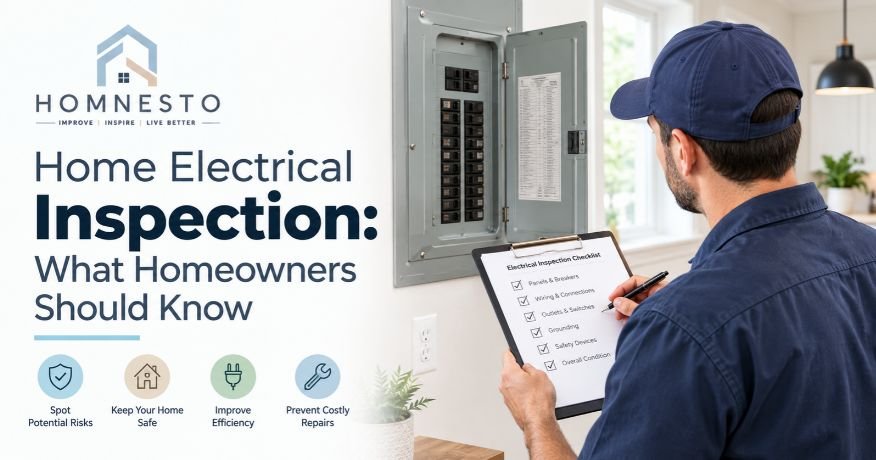
Home Electrical Inspection Checklist
Use this checklist to organize concerns before the appointment and review the outcome afterward. It is a homeowner preparation and recordkeeping aid—not a substitute for a professional inspection or a guide to working on electrical equipment.
- List unusual electrical problems and warning signs, including when and where they occur.
- Gather available electrical work, permit, appliance, and renovation records.
- Make relevant areas accessible without touching electrical equipment or removing covers.
- Confirm which areas, components, and tests the inspection covers.
- Review the findings and ask the electrician to clarify safety concerns or unexplained recommendations.
- Keep records of recommended repairs, completed work, invoices, and any follow-up inspection.
How to Choose an Electrician for a Home Electrical Inspection
The right provider should have suitable qualifications, explain the inspection scope, communicate findings clearly, and provide transparent pricing. A low quote may be reasonable for a limited check, but it may not include the same testing or documentation as a broader electrical home safety inspection. Compare what is included before choosing.
Check Licensing and Local Qualifications
Confirm that the electrician holds the license or credentials required for your location and type of work. Ask whether they carry appropriate insurance and regularly perform residential inspections, not just installations or repairs. Requirements vary by jurisdiction, so verify them with the relevant state or local authority when needed.
An experienced electrician inspection provider should explain the limits of the service and identify when another specialist or local inspector needs to be involved.
Ask What the Inspection Includes
Request a clear description of the components and areas covered, what testing is included, whether the panel is part of the service, and how inaccessible or concealed areas are handled. Ask whether the inspection is a focused electrical home inspection or a broader review of the whole system.
If you have a specific concern, confirm that the appointment allows time to investigate it. A service described as an electrical inspection residential may vary from provider to provider, so the written scope matters more than the label.
Understand the Report and Repair Recommendations
Ask for a written report that identifies findings, explains their significance, and separates urgent repairs from lower-priority recommendations. Clarify whether the electrician will provide photos, test results, repair estimates, or a follow-up summary. You should leave knowing what was inspected, what was not inspected, and what to do next.
Be cautious if a provider cannot explain a recommendation, pressures you into approving major work without a clear reason, or refuses to document the scope. It is reasonable to request a second opinion for significant non-emergency work.
FAQs About Home Electrical Inspections
How Often Should a Home Electrical Inspection Be Done?
There is no single interval that applies to every home or jurisdiction. Consider an inspection when buying an older property, after a major renovation, when adding substantial electrical loads, or when the system’s history is unclear. If you want a routine schedule, ask a qualified electrician to recommend one based on the home’s age, condition, and prior work, and check local or insurance requirements.
How Long Does a Home Electrical Inspection Take?
Many standard appointments take around one to two hours, but a larger or older home, limited access, extensive testing, or identified problems can make the visit longer. A focused check may take less time than a whole home electrical inspection. Ask the provider for an estimate based on your property and the scope requested.
How Much Does a Home Electrical Inspection Cost?
Costs vary by location, property size and age, inspection scope, and specialized testing. Angi’s 2026 US guide gives a broad range of approximately $75 to $500 and an average near $150, but your quote may fall outside that range. Ask what the price includes and whether repairs, permits, additional testing, or a return visit cost extra.
Is an Electrical Inspection Required When Selling a House?
Not every home sale requires a separate electrical inspection. Requirements depend on state and local rules, property or transaction type, permit history, and lender or insurer conditions. A buyer may request an inspection even when it is not legally required. Confirm the requirements for your transaction with the appropriate local authority or real-estate professional.
Can I Inspect My Home’s Electrical Wiring Myself?
You can note visible warning signs, keep records, and make the work area accessible, but you should not open panels, remove outlet covers, or handle exposed wiring. Homeowner checks cannot reliably assess all concealed connections, grounding conditions, or panel hazards. A DIY electrical check is not a substitute for a qualified professional’s inspection and testing.
What Should I Do If My Home Electrical Inspection Finds Problems?
Ask the electrician to explain each finding, the level of risk, which repairs are urgent, and whether the system or affected equipment should remain out of use. Request a written estimate and clarify whether permits, testing, or follow-up inspection are needed. Arrange repairs through a qualified professional and keep the report and completion records together.