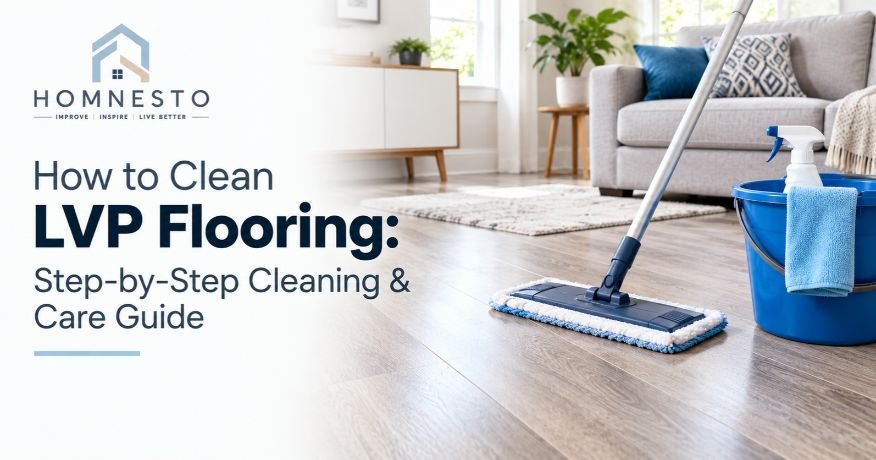

Luxury vinyl plank flooring is popular for a simple reason: it looks good without demanding the same level of care as many natural flooring materials. Still, easy-care does not mean no-care. Dirt, grit, spills, soap residue, and too much water can slowly make the surface look dull or leave unwanted marks. Learning how to clean LVP flooring correctly helps protect its appearance and keeps everyday messes from becoming harder cleaning jobs.
The best approach is usually simple. Remove loose dirt first, use a cleaner that is suitable for your floor, mop with limited moisture, and deal with spots before they become built-up residue. Regular cleaning keeps everyday dirt under control, while occasional deep cleaning deals with grime that ordinary mopping cannot remove. Your flooring manufacturer’s instructions should always take priority because finishes and care requirements can vary.
This guide explains how to clean vinyl plank flooring without overcomplicating the process. You will learn the best way to clean LVP flooring, what products and tools to use, how much water is appropriate, how to clean grooves, whether vinegar or steam is a good idea, and how to maintain your floor for years.
How to Clean LVP Flooring Step by Step
If you want to know how to clean LVP floors, start with a simple routine rather than reaching immediately for strong chemicals. The goal is to remove dry dirt first, then clean the surface with controlled moisture.
The basic process is straightforward: remove loose debris, choose a compatible cleaner, prepare the solution correctly, mop with a damp, not soaking, mop, treat stubborn spots separately, and allow the floor to dry.
Step 1: Remove Dust, Dirt and Loose Debris
Before using any liquid cleaner, remove the dirt sitting on top of the floor. Sand, grit, pet hair, crumbs, and other loose particles can move around during wet cleaning. Some of this debris can also act like fine abrasive material when dragged across the surface.
Use a soft-bristle broom, microfiber dust mop, or vacuum designed for hard floors. If you use a vacuum, turn off any rotating brush setting that could scratch or mark the flooring. Pay attention to corners, along baseboards, underneath furniture, and around doorways because these areas often collect more dirt than open sections of the floor.
This first step makes cleaning LVP floors easier because you are not turning dry debris into wet mud. It also reduces the amount of pressure you need when mopping.
For everyday care, you do not need to wait until the entire floor looks dirty. A quick sweep or dust mop can remove grit before it spreads through the room.
Step 2: Choose the Right LVP Floor Cleaner
The right LVP floor cleaner should clean surface dirt without leaving a heavy film behind. Look for a product specifically labeled for vinyl, luxury vinyl, LVP, or resilient flooring. Always check the flooring manufacturer’s care instructions before using a commercial product.
The best cleaner for LVP floors is not necessarily the strongest one. A mild cleaner that removes everyday soil and rinses or dries clean is usually more useful than a harsh product designed for heavy-duty industrial cleaning.
When comparing options, you may see products described as the best cleaner for LVP flooring or the best LVP floor cleaner. Treat those labels carefully. What matters most is whether the product is compatible with your particular flooring and whether it leaves little or no residue.
A suitable LVP flooring cleaner should not require aggressive scrubbing for normal dirt. If a product leaves the floor sticky, cloudy, greasy, or unusually dull, it may not be the right choice for your flooring.
Step 3: Prepare the Cleaning Solution
Read the cleaner’s label before mixing it. If the product is concentrated, use the recommended amount rather than adding extra cleaner in the hope of getting a better result.
If you are wondering what to clean LVP floors with, start with a manufacturer-approved cleaner and clean water. For many routine cleaning jobs, you do not need a complicated mixture. The cleaning solution should loosen dirt so the mop can pick it up rather than leave another layer on the floor.
The same principle applies when deciding what to clean LVP flooring with or what to use to clean LVP flooring. More product does not automatically mean a cleaner surface. Too much cleaner can leave residue that attracts dirt and creates a dull appearance.
For that reason, the best cleaning solution for LVP flooring is generally one that is appropriate for the product, correctly diluted, and easy to remove from the surface.
Step 4: Mop the Floor With a Damp Mop
Once loose dirt is gone and your solution is ready, mop the floor with a damp microfiber mop. The mop should contain enough moisture to clean the surface but should not leave puddles behind.
Work in manageable sections. Rinse or replace the mop pad when it becomes dirty instead of spreading the same soil across the rest of the room. If the floor becomes visibly wet, use less solution or wring the mop more thoroughly.
Standing water is unnecessary for routine LVP cleaning. Excess moisture can work into seams and edges, especially if water is left sitting on the surface for an extended period. Even when flooring is marketed as waterproof, that does not mean flooding or soaking the floor is a good cleaning method.
A controlled damp-mopping routine is usually the safer approach.
Step 5: Remove Stubborn Dirt and Residue
Regular mopping handles most everyday dirt, but some spots need extra attention. Food residue, dried spills, tracked-in grime, and sticky marks may remain after the first pass.
Instead of immediately using an abrasive pad or harsh chemical, soften the spot with a small amount of suitable cleaning solution. Give it a little time to loosen, then wipe gently with a microfiber cloth or non-abrasive pad.
For textured areas, work along the surface pattern rather than scrubbing aggressively across it. Repeat the process if needed. Several gentle passes are safer than one forceful scrub.
If a mark will not come off with a manufacturer-approved cleaner, do not keep escalating to stronger household chemicals without checking the flooring instructions first. Some stains are easier to live with than a damaged finish.
Step 6: Let the Floor Dry
After mopping, allow the surface to dry naturally. Good ventilation can help moisture evaporate faster, especially in a large room.
Check the floor for puddles, damp corners, or cleaner residue. If you notice excess moisture, wipe it with a clean microfiber cloth. A properly cleaned floor should feel clean rather than slippery, sticky, or coated.
This simple routine answers how do you clean LVP flooring in a practical way: remove dry dirt first, use a suitable cleaner, control moisture, and do not leave residue behind.
For routine cleaning, these steps are enough for most homes. The same process can be adapted when learning how to clean vinyl plank floors or how to clean vinyl floor planks, provided the flooring manufacturer’s care instructions allow the products and methods you choose.
What Is the Best Cleaner for LVP Flooring?
The best cleaner for LVP flooring is one that is compatible with your flooring, removes everyday soil effectively, and does not leave a coating that changes the appearance of the surface.
There is no single product that can honestly be called the best for every LVP floor. Flooring can have different wear layers, textures, finishes, and manufacturer recommendations. A cleaner that works well on one product may not be recommended for another.
What to Look for in an LVP Floor Cleaner
Choose an LVP floor cleaner that is intended for vinyl or resilient flooring and follow its directions carefully. Avoid assuming that a product is suitable simply because it is advertised as a general floor cleaner.
A good cleaner should help lift everyday dirt without requiring aggressive scrubbing. It should also dry without leaving a greasy or waxy film.
If you are searching for the best LVP cleaner, pay more attention to compatibility and residue than marketing claims. A simple product used correctly can be more useful than a stronger formula that leaves buildup.
Can You Use a Commercial Vinyl Floor Cleaner?
Yes, a commercial vinyl floor cleaner can be appropriate when its label says it is safe for your type of flooring. Always check both the product instructions and your flooring manufacturer’s recommendations.
Commercial products can be convenient because they are formulated for specific flooring categories and usually provide dilution instructions. The key is using the correct amount.
If the cleaner needs to be diluted, do not guess the ratio. Over-concentrated solutions can leave residue, while an incorrectly prepared solution may not perform as intended.
How Much Cleaner Should You Use?
Use the amount recommended on the product label. Adding more cleaner does not necessarily remove more dirt.
In fact, excessive cleaner can create a film that makes the floor look dull or feel tacky. That film can also collect more dust and make later cleaning harder.
When deciding how much cleaner to use, remember that your mop and cleaning technique matter just as much as the product. A clean microfiber pad and controlled moisture can remove a surprising amount of everyday dirt without saturating the floor with chemicals.
What Cleaning Solution Is Safe for LVP?
A cleaning solution labeled for LVP, vinyl, luxury vinyl, or resilient flooring is generally the safest starting point. However, your manufacturer’s instructions remain the final reference.
If you are unsure what cleaning solution for LVP flooring is suitable, check the care guide that came with the flooring or look for the manufacturer’s current cleaning recommendations.
Avoid mixing different cleaning products. Combining household chemicals can create unwanted reactions and may produce fumes or damage the floor.
Can You Use Homemade Cleaning Solutions?
Some homeowners prefer homemade solutions because they seem inexpensive and simple. However, homemade does not automatically mean safer.
Before using any homemade mixture, check whether your flooring manufacturer specifically recommends it. Ingredients such as vinegar, oils, soap, or other household products may affect certain finishes or leave residue.
If you want the best product to clean LVP flooring, manufacturer-approved products are the easiest choice when you are unsure. They remove the guesswork about compatibility.
How to Mop LVP Flooring
Mopping LVP flooring is simple when you control the amount of moisture. The objective is to lift dirt from the surface and remove it with the mop rather than soaking the floor.
Can You Mop LVP Flooring?
Yes, you can mop LVP flooring. Damp mopping is one of the most practical ways to handle routine cleaning.
The important part is how you mop. A soaking-wet mop can leave too much water behind, while a dirty mop pad can simply move grime around. Use a well-wrung microfiber mop and change the pad when it becomes dirty.
How to Mop Vinyl Plank Flooring
To understand how to mop vinyl plank flooring properly, begin with a dry cleaning pass. Remove loose dirt before bringing out the mop.
Then apply an appropriate cleaning solution according to its instructions. Mop in sections and use smooth passes rather than repeatedly scrubbing the same area.
Rinse or replace the mop pad when necessary. Once the floor looks clean, check for excess moisture and wipe any remaining wet areas.
This method also works when you need to know how to mop vinyl floors or how to mop a vinyl floor without leaving a large amount of water behind.
How Much Water Should You Use?
Use only enough water or cleaning solution to dampen the mop and clean the surface. You should not have standing water across the floor.
A properly wrung mop is a useful rule of thumb. If you can see pools of water behind the mop, it is too wet.
Even waterproof vinyl plank flooring should not be treated like a surface that needs to be flooded. Waterproof construction does not make excessive moisture a useful cleaning technique.
What Type of Mop Is Best for LVP?
A microfiber mop is a practical choice for many LVP floors because microfiber can pick up fine dirt without requiring harsh scrubbing.
Look for a mop that allows you to control moisture and replace or wash the pad easily. Flat microfiber mops can be especially convenient because they provide good surface contact while using relatively little water.
If you are comparing mops for LVP flooring, prioritize moisture control, a washable pad, and a non-abrasive cleaning surface.
How to Prevent Streaks and Water Marks
Streaks often come from too much cleaner, dirty water, an overly wet mop, or residue left on the floor.
Start with a clean mop pad and use the correct amount of solution. Avoid allowing dirty water to dry on the surface. If streaks remain, wipe the area with a clean, slightly damp microfiber pad and allow it to dry.
The best way to mop LVP flooring is not to use more water. It is to use the right amount of moisture and remove dirt efficiently.
How to Deep Clean LVP Flooring
Routine cleaning keeps everyday dirt under control, but a deeper cleaning can help when grime has accumulated in textured areas, around edges, or in places that receive heavy traffic.
When Does LVP Flooring Need a Deep Clean?
Your floor may need a deeper clean when ordinary mopping no longer restores its normal appearance. You may notice dull patches, sticky areas, dark buildup in textures, or residue around high-traffic sections.
A deep clean is also useful after periods of heavy activity, moving furniture, renovations, parties, or other situations that bring more dirt into the home.
There is no universal schedule for deep cleaning. Homes with children, pets, outdoor access, or heavy foot traffic may need it more often than quieter spaces.
How to Deep Clean Vinyl Floors
When learning how to deep clean vinyl floors, do not start by soaking the entire surface. Begin with thorough dry cleaning to remove loose dirt.
Next, use a compatible cleaner and work in small sections. Let the cleaner loosen stubborn soil according to its instructions, then gently agitate areas that need extra attention with a non-abrasive tool.
Remove the dirty solution with a clean, damp microfiber mop. Finish by removing excess moisture and allowing the surface to dry.
How to Remove Built-Up Dirt and Residue
Built-up residue usually needs patience more than aggressive chemicals. Apply a suitable cleaner to the affected area and allow it to loosen the buildup.
Use a microfiber cloth or soft non-abrasive pad to work on the spot. If the residue remains, repeat the process instead of immediately using a stronger product.
For floors that have been cleaned repeatedly with too much product, residue may be the actual problem rather than a lack of cleaning power. In that situation, reducing cleaner concentration and carefully removing the film can make a noticeable difference.
How to Deep Clean LVP Flooring With Grooves
Textured LVP can hold dirt in its recessed areas. When learning how to deep clean LVP flooring with grooves, focus on reaching those low points without damaging the surface.
Vacuum or sweep first. Then use a suitable cleaner and a soft cleaning brush or microfiber cloth that can follow the texture.
Work in small sections and avoid sharp tools that can scratch the floor. Remove loosened dirt with a clean damp mop or cloth.
For heavily textured flooring, patience and the right tool are usually more effective than aggressive scrubbing.
How to Deep Clean LVP Without Damaging the Finish
Do not assume that deep cleaning requires harsh chemicals, steam, abrasive pads, or excessive water. Those methods can create more problems than they solve.
Use the mildest effective method first. Follow the manufacturer’s cleaning recommendations and test an unfamiliar product in an inconspicuous area if the manufacturer permits testing.
The purpose of a deep clean is to remove accumulated soil while keeping the flooring surface intact. If a method risks changing the finish, it is not a good cleaning method simply because it removes dirt quickly.
How to Clean LVP Flooring With Grooves
Grooved and textured LVP needs slightly more attention because dirt can settle below the main surface level. Fortunately, you usually do not need special chemicals to keep these areas clean.
Why Dirt Collects in LVP Grooves
The recessed areas of textured flooring naturally catch dust, hair, crumbs, and fine grit. Wet mopping can sometimes leave this material behind because the mop surface does not reach every part of the texture.
Foot traffic then presses the debris deeper into the pattern.
How to Clean Dirt From LVP Grooves
Start with a vacuum or soft brush to remove loose particles. Follow with a manufacturer-approved cleaning solution and a soft brush that can reach the grooves.
Use gentle strokes that follow the texture. Avoid metal or sharp tools because they can scratch the surface.
Wipe away loosened dirt with a microfiber cloth or damp mop pad. If the grooves remain dirty, repeat the process rather than increasing pressure.
Best Tools for Textured LVP Flooring
A soft-bristle detailing brush, microfiber cloth, microfiber mop, and hard-floor vacuum can cover most textured LVP cleaning needs.
The best tool depends on the depth and shape of the texture. A narrow soft brush can reach recessed areas more effectively than a flat mop, while microfiber is useful for removing the loosened soil afterward.
How to Remove Stubborn Dirt From Grooves
For stubborn dirt, allow a compatible cleaning solution to loosen the buildup before gently brushing it. Do not attack the grooves with abrasive powders or sharp objects.
If the dirt is still present after one pass, repeat the treatment. Several gentle cleaning cycles are safer than trying to force the buildup out in one aggressive scrub.
How to Prevent Dirt From Building Up
Frequent dry cleaning is the easiest way to prevent textured flooring from becoming difficult to clean. Remove grit before it gets pressed into the grooves.
Entry mats can also reduce the amount of outdoor soil entering the room. Cleaning spills quickly and keeping high-traffic areas free of loose dirt will make future deep cleaning easier.
Can You Use a Steam Mop on LVP Flooring?
Steam is often marketed as a powerful way to sanitize and clean hard floors, but that does not mean it is suitable for every LVP product.
Can You Steam Mop LVP?
Whether you can use a steam mop on LVP depends on the flooring manufacturer’s instructions. If the manufacturer does not approve steam cleaning, avoid it.
Steam introduces high heat and moisture. Depending on the construction and installation of the flooring, that combination may affect the surface, seams, adhesive, or other components.
Can You Steam Clean LVP Flooring?
Do not assume that steam is safe simply because LVP is water-resistant or waterproof. Those terms describe resistance to water under specified conditions, not approval for high-temperature steam cleaning.
Before deciding whether you can steam clean LVP flooring, check the flooring manufacturer’s care instructions.
Are Steam Mops Safe for LVP Floors?
Steam mops are not automatically safe for all LVP floors. If your manufacturer specifically prohibits steam, do not use it.
When the manufacturer’s instructions are unclear, a damp microfiber mop with an appropriate cleaner is the lower-risk routine cleaning method.
Can You Steam Mop Vinyl Plank Flooring?
The same rule applies when asking can you steam mop vinyl plank flooring. Check the specific flooring manufacturer’s instructions first.
A steam mop that is safe for one resilient flooring product may not be suitable for another.
What Should You Use Instead of Steam?
For everyday cleaning, use a soft microfiber mop with a compatible cleaning solution. This gives you control over moisture without introducing the high heat associated with steam.
For stuck-on dirt, spot-clean with an appropriate product and a non-abrasive cloth or soft brush.
Can You Use Vinegar on LVP Flooring?
Vinegar is a common household cleaning ingredient, but common does not always mean appropriate for every flooring finish.
Can You Clean Vinyl Floors With Vinegar?
Some cleaning routines recommend diluted vinegar for vinyl surfaces, but you should not assume it is approved for your particular floor.
Before you clean vinyl floor with vinegar, check the flooring manufacturer’s care instructions. If the manufacturer recommends a specific vinyl cleaner instead, follow that guidance.
Can You Use Vinegar on LVP?
If you are asking can you use vinegar on LVP, the safest answer is to check the manufacturer’s instructions for your exact product.
LVP is not one universal material with one universal finish. Products can vary, so a method that is acceptable for one floor may not be recommended for another.
Can You Use Vinegar on Luxury Vinyl Plank?
The same caution applies when asking can I use vinegar on luxury vinyl plank. Do not use vinegar simply because it is a popular homemade cleaning ingredient.
If your flooring documentation does not recommend it, choose a cleaner specifically approved for your flooring instead.
Will Vinegar Damage Vinyl Plank Floors?
Whether vinegar will damage vinyl plank floors depends on the specific product, concentration, frequency of use, and manufacturer’s recommendations.
Rather than relying on a general rule, follow the care instructions for your flooring. Avoid experimenting with repeated acidic cleaning if the manufacturer does not recommend it.
What Can You Use Instead of Vinegar?
A manufacturer-approved vinyl or LVP cleaner is the simplest alternative. Use it according to the label and avoid over-concentrating the solution.
This approach removes the uncertainty that comes with homemade mixtures and gives you a cleaning method designed for the flooring category.
What Should You NOT Clean LVP Flooring With?
Knowing what not to use is just as important as knowing what works. A cleaning product can remove dirt and still be a poor choice if it damages the finish, leaves residue, or creates unnecessary wear.
Avoid Abrasive Cleaners and Scrubbing Tools
Avoid abrasive powders, rough scouring pads, steel wool, and other aggressive materials unless your flooring manufacturer specifically approves them.
These products can create scratches, dull areas, or visible changes in the surface.
When a mark is difficult to remove, start with a compatible cleaner and a soft cloth rather than increasing the force of the scrub.
Avoid Excessive Water and Soaking
Do not flood the floor during cleaning. Use a damp mop and remove standing water promptly.
Even floors marketed as waterproof are not designed to benefit from prolonged soaking. Water can also travel into places that are difficult to dry, particularly around seams, edges, and installation transitions.
Be Careful With Strong Chemicals
Strong chemicals are not automatically better cleaners. Bleach, solvents, degreasers, or other powerful products may not be suitable for your flooring.
Never mix cleaning chemicals. Use only products that your flooring manufacturer or cleaner label identifies as appropriate.
Avoid Products That Leave Wax or Oily Residue
Wax, polish, oil-based products, and similar coatings can leave a film on LVP. That film may attract dirt, change the floor’s appearance, or make the surface harder to clean.
If you are unsure what should you not clean vinyl plank flooring with, start by avoiding products that are not intended for your flooring type.
Check the Flooring Manufacturer’s Cleaning Instructions
The manufacturer’s instructions should always be your final reference. They can tell you which cleaners, tools, and cleaning methods are approved for the specific flooring.
This is especially important before using steam, vinegar, disinfectants, polish, or any unfamiliar chemical.
How to Clean Luxury Vinyl Plank and LVT Flooring
LVP and LVT are closely related resilient flooring categories, so many everyday cleaning principles are similar. However, always follow the instructions supplied with your particular product.
How to Clean Luxury Vinyl Flooring
When learning how to clean luxury vinyl flooring, begin by removing loose dirt. Then use a compatible cleaner and damp microfiber mop.
Avoid soaking the surface, abrasive tools, and unapproved chemicals. Clean spills promptly and pay extra attention to high-traffic areas.
How to Clean Luxury Vinyl Plank Flooring
The best way to clean luxury vinyl plank flooring is usually a simple combination of dry debris removal and controlled damp cleaning.
Vacuum or sweep first, then mop with an appropriate cleaning solution. Keep the mop damp rather than wet and remove excess moisture after cleaning.
How to Clean Luxury Vinyl Plank Floors
To understand how to clean luxury vinyl plank floors effectively, think about prevention as much as cleaning. Removing grit regularly reduces the amount of dirt that needs to be scrubbed later.
For stubborn areas, spot-clean rather than applying aggressive cleaning methods to the entire floor.
How to Clean LVT Flooring
The basic process for how to clean LVT flooring is similar: remove loose debris, use a compatible cleaner, damp mop, and prevent standing water.
Always check the LVT manufacturer’s recommendations because product finishes and approved cleaning methods can vary.
Is Cleaning LVT Different From Cleaning LVP?
The everyday approach can be very similar, but LVT and LVP are not necessarily identical products. Installation methods, textures, finishes, and manufacturer recommendations can differ.
For that reason, LVT cleaning should follow the care instructions for the exact flooring rather than relying only on general advice.
How to Maintain Vinyl Plank Flooring
Good maintenance does not require constant scrubbing. Most of the work is preventing dirt, moisture, and unnecessary wear from building up in the first place.
Sweep and Remove Dirt Regularly
Regular sweeping or dust mopping removes grit before it gets walked across the surface. High-traffic areas may need attention more often than rooms that are rarely used.
If you have pets or children, a quick daily or every-other-day pass may be more practical than waiting for visible dirt to accumulate.
Clean Spills as Soon as They Happen
Fresh spills are easier to remove than dried residue. Wipe them up promptly with a clean cloth and use a suitable cleaner when needed.
Fast cleanup also reduces the chance of sticky spots collecting dust and becoming harder to remove later.
Protect LVP From Furniture and Heavy Traffic
Use appropriate furniture protection to reduce unnecessary pressure and scratching. When moving heavy furniture, lift it when possible rather than dragging it across the floor.
High-traffic routes can also benefit from mats or rugs that are approved for use on vinyl flooring.
Proper cleaning and regular care can also help preserve the appearance and usable life of your vinyl plank flooring.
Use Mats at Exterior Doors
Exterior doors are major entry points for dirt, grit, and moisture. A suitable entrance mat can catch much of that material before it reaches the floor.
Clean the mats regularly too. A dirty mat can eventually become another source of grit.
Keep Dirt and Grit From Scratching the Floor
Grit is one of the easiest things to overlook because individual particles can be tiny. Yet repeated foot traffic can move those particles across the surface.
Regular dry cleaning, clean entry mats, and prompt spill cleanup are simple ways to reduce this type of wear.
Homes with dogs and other pets may need more frequent cleaning and flooring that can handle accidents and daily wear.
Follow the Manufacturer’s Care Instructions
Your flooring manufacturer knows the construction and finish of the product. Follow its recommendations for cleaners, tools, steam, disinfectants, and other maintenance methods.
Keep the care information available instead of relying on generic cleaning advice whenever you are unsure about a particular product.
How to Keep Vinyl Plank Flooring Looking New
The easiest way to keep the floor looking new is to avoid letting small problems accumulate. Sweep regularly, clean spills quickly, use the right cleaner, and avoid unnecessary moisture.
Furniture protection and entry mats also matter because preventing wear is easier than trying to reverse it later.
These habits form the foundation of how to care for vinyl plank flooring and can make routine cleaning much easier.
How to Clean LVP Flooring After Installation
Newly installed LVP can have dust, packaging particles, and installation-related residue on the surface. The first cleanup should be gentle.
Remove Dust and Installation Debris
Begin with a soft broom, dust mop, or hard-floor vacuum. Remove loose debris before introducing any moisture.
Do not drag construction debris across the floor because larger particles can scratch the surface.
Remove Installation Residue Safely
If adhesive, sealant, or another installation material is present, identify it before trying to remove it. Use only a removal method approved by the flooring or installation instructions.
Do not use a random solvent because it removes the residue quickly. Some solvents can affect flooring finishes.
When Can You Wet Clean Newly Installed LVP?
Follow the installation instructions for your particular flooring and adhesive system. Some installations may have specific requirements concerning when the floor can receive moisture or heavy traffic.
If the instructions specify a waiting period, follow it rather than assuming that the flooring can be wet cleaned immediately.
How to Protect the New Flooring
Keep dirt, grit, tools, and construction debris away from the new floor. Use appropriate protective coverings during remaining work, following the flooring manufacturer’s recommendations.
Once the installation area is ready for routine care, start with gentle dry cleaning and move to damp cleaning according to the product instructions.
How to Disinfect LVP Flooring
Cleaning and disinfecting are not the same task. Cleaning removes dirt and residue, while disinfecting is intended to reduce or eliminate specified microorganisms when the product is used correctly.
When Should You Disinfect LVP?
Disinfection may make sense after certain spills or situations where reducing microorganisms is important. Routine cleaning does not necessarily mean the floor needs to be disinfected every time.
Use a disinfectant only when there is a reason to do so and when the product is compatible with your flooring.
How to Disinfect LVP Flooring
First remove visible dirt. Disinfectants generally work according to specific contact-time instructions, so follow the product label carefully.
Make sure the product is approved for the flooring surface. Do not mix disinfectants with other cleaners.
How to Disinfect Vinyl Plank Flooring
When learning how to disinfect vinyl plank flooring, focus on compatibility as well as effectiveness. A product designed for another surface may not be suitable for LVP.
Follow the disinfectant’s directions for application, required contact time, and removal if applicable.
How to Disinfect Without Damaging the Finish
Do not repeatedly use harsh disinfectants unless the flooring manufacturer permits them. Frequent exposure to unsuitable chemicals can affect some flooring finishes.
When disinfecting, use the least aggressive compatible product that meets the purpose and follow both sets of instructions carefully.
How to Clean Vinyl Flooring, Vinyl Tile and PVC Flooring
Vinyl flooring includes several product types, so the cleaning method should match the specific surface. The following guidance supports broader vinyl-floor searches while keeping LVP as the main focus.
How to Clean Vinyl Flooring
Start by removing loose dirt. Follow with a suitable vinyl-floor cleaner and a damp mop.
Avoid excessive water, abrasive tools, and products that leave a heavy coating. If the floor is older or has a delicate finish, check the manufacturer’s instructions before trying a new cleaning method.
How to Clean Vinyl Floors That Look Like Wood
Wood-look vinyl floors can collect dirt in embossed grain patterns. Vacuum or sweep first, then use a compatible cleaner with a microfiber mop.
For textured areas, use a soft brush when necessary. Do not assume that a wood appearance means the floor should be cleaned like real hardwood.
How to Clean Old Vinyl Floors
Older vinyl floors may have wear, discoloration, or an existing finish that requires special care. Start gently rather than using aggressive chemicals to restore the appearance.
If you are learning how to clean old vinyl floors, check whether the manufacturer or flooring installer provides specific guidance. Avoid abrasive restoration methods unless the product documentation supports them.
How to Clean Vinyl Tile Floors
For vinyl tile floors, remove loose dirt before damp cleaning. Use a cleaner suitable for the tile and control the amount of moisture.
Pay attention to seams and edges without flooding them. Stubborn areas can be spot-cleaned with a soft cloth or brush.
How to Clean PVC Flooring
PVC flooring should be cleaned according to its product-specific instructions. A soft dry-cleaning method followed by controlled damp cleaning is a practical starting point when approved by the manufacturer.
Do not assume every PVC product has identical chemical or moisture resistance.
Final Thoughts
Keeping LVP clean does not require an aggressive cleaning routine. The most effective approach is consistent and controlled: remove loose dirt before it becomes a problem, use a suitable LVP floor cleaner, mop with limited moisture, and treat stubborn spots gently.
The same principle applies to long-term care. Regular dry cleaning, quick spill removal, clean entry mats, furniture protection, and manufacturer-approved products can help your floor maintain its appearance without unnecessary wear.
When you know how to clean LVP flooring correctly, everyday maintenance becomes much easier. You do not need a cabinet full of specialized products or a complicated routine. The right cleaner, the right amount of moisture, and regular care are usually enough to keep luxury vinyl plank flooring looking clean and well maintained.
FAQs About Cleaning LVP Flooring
What Is the Best Way to Clean LVP Flooring?
The best way to clean LVP flooring is to remove loose dirt first, then use a compatible cleaner with a damp microfiber mop.
How Often Should You Clean LVP Flooring?
Clean based on traffic and household activity. Sweep regularly and damp mop when the floor needs it. High-traffic homes may need more frequent cleaning.
What Is the Best Cleaner for LVP Flooring?
The best cleaner is one approved for your specific LVP. Choose a product that removes dirt without leaving wax, oil, or heavy residue.
Can You Mop LVP Flooring?
Yes. You can mop LVP flooring with a damp microfiber mop. Avoid soaking the floor or leaving standing water.
Can You Steam Mop LVP Flooring?
Only if the flooring manufacturer specifically allows steam cleaning. Otherwise, use a controlled damp-mopping method.
Can You Use Vinegar on LVP Flooring?
Check the manufacturer’s instructions before using vinegar. If it is not recommended, use a cleaner specifically approved for LVP instead.
What Should You Not Use on LVP Flooring?
Avoid abrasive cleaners, rough scrubbing tools, excessive water, unapproved strong chemicals, and products that leave waxy or oily residue.
How Do You Deep Clean LVP Flooring?
Remove loose dirt, apply a compatible cleaner, gently work on stubborn areas, remove the loosened soil, and dry the floor without leaving excess moisture.
How Do You Clean LVP Flooring With Grooves?
Vacuum first, then use a suitable cleaner and soft brush to reach recessed areas. Work gently and remove loosened dirt with microfiber.
How Do You Maintain Vinyl Plank Flooring?
Sweep regularly, clean spills quickly, use entry mats, protect the floor from furniture, remove grit, and follow the manufacturer’s care instructions.