


A bathtub that drains slowly can become annoying fast. You may notice water pooling around your feet during a shower, the tub taking longer to empty, or water backing up when the drain should be clear. If your bathtub drain won’t drain at all, you may be dealing with a complete blockage that needs more than a quick rinse.
The good news is that many common clogs can be handled without harsh chemical drain cleaners. If you are wondering how to unclog bathtub drain problems, start by identifying what is causing the blockage. Hair, soap scum, mineral buildup, and everyday debris are common causes, and some can be removed with simple household items or basic plumbing tools.
Learning how to unclog a bathtub drain without chemicals usually starts with the least invasive method. You may be able to pull out visible hair, use a plunger, or flush away light residue with hot water. Baking soda and white vinegar can sometimes help with minor buildup, while a zip tool or drain snake is often more useful for hair clogs deeper inside the pipe.
No single method works for every clogged bathtub drain. The best approach depends on the type, size, and location of the blockage. If a clog keeps coming back or affects multiple drains, the problem may be deeper in the plumbing system and could require professional help.
Why Is My Bathtub Drain Clogged?

A bathtub drain blockage often develops slowly. At first, you may barely notice a change in water flow. Over time, hair, soap residue, body oils, mineral deposits, and small pieces of debris can collect inside the drain and restrict the passage of water.
Hair is especially troublesome because it can catch on the drain stopper or other material inside the pipe. Soap scum then sticks to the hair, creating a thicker mass that becomes harder to remove. This is one of the most common reasons a small bathtub drain clog eventually turns into a major blockage.
Hair Buildup in the Bathtub Drain
Hair is one of the leading causes of a bathtub drain clogged with hair. Loose strands naturally wash down the drain during showers and baths. Some may pass through the pipes, but others become trapped near the drain stopper or farther inside the plumbing.
Over time, the trapped hair can combine with soap scum and body oils. The result is a sticky hair clog that restricts water flow. If your bathtub drain is slow after showering, hair buildup should be one of the first things you check.
A hair clog is usually better handled through physical removal than by relying on household mixtures. Pulling out visible hair or using a zip tool can often be more effective than trying to dissolve it.
Soap Scum and Mineral Buildup
Soap scum can build up when soap residue combines with water minerals and other substances. This residue may stick to the inside of the drain and create a rough surface where hair and debris can collect.
Mineral buildup can also contribute to restricted water flow, particularly in homes with hard water. While light residue may respond to hot water or other simple cleaning methods, heavy deposits may require more thorough drain cleaning.
If the problem is mainly soap residue rather than a dense physical blockage, you may have more success with a hot-water flush or a baking soda and vinegar treatment.
Common Reasons Behind Bathtub Drain Blockages
Several issues can lead to a bathtub drain blockage. Hair and soap scum are the most common, but debris, mineral deposits, and poor drain maintenance can also play a role.
A dirty or damaged drain stopper may collect material and restrict water flow. In some cases, the obstruction may be farther inside the pipe, where it cannot be reached from the drain opening.
If the same blockage returns soon after cleaning, the issue may not be limited to the visible drain area. A deeper pipe blockage, plumbing configuration issue, or another underlying problem may need to be investigated.
Signs Your Bathtub Drain Is Clogged
A clogged bathtub drain often gives you warning signs before it stops working completely. Recognising these early symptoms can help you fix a minor problem before it becomes a complete blockage.
A slow-draining bathtub is usually the first clue. You may notice that water takes longer to disappear or that it starts collecting around your feet while you shower. Other signs include standing water, unpleasant smells, gurgling sounds, and water backing up into the tub.
Water Draining Slowly From the Bathtub
If water is draining slowly from bathtub plumbing, you may have a partial blockage. The opening is not completely sealed, but something is restricting the normal flow of water.
A bathtub drain slow enough to leave a shallow pool during a shower should be checked rather than ignored. Hair and soap residue are often easier to remove when the blockage is still relatively small.
Standing Water and Drain Backups
Standing water in bathtub plumbing is a stronger sign of a serious obstruction. If the bathtub fills with water while showering, the drain may be unable to handle the flow.
A bathtub drain backing up can indicate that water is meeting resistance farther down the pipe. If the tub is full, remove as much standing water as possible before attempting certain cleaning methods.
If water repeatedly backs up after you clear the visible drain opening, the blockage may be deeper inside the plumbing.
Unpleasant Smells Coming From the Drain
If your bathtub drain smells bad, trapped organic material may be sitting inside the drain. Hair, soap residue, body oils, and other debris can collect in damp areas and create unpleasant odours.
Cleaning the drain opening and removing visible buildup may help. However, a persistent smell combined with slow drainage could indicate a deeper clog that needs further attention.
Quick Ways to Unclog a Bathtub Drain

When you need to clear a clogged drain, start with simple methods before reaching for more involved tools. The first goal is to determine whether the blockage is close to the drain opening or farther inside the pipe.
Removing visible debris is a good starting point. If that does not work, a cautious hot-water flush or a properly used plunger may help with certain minor or medium blockages.
Remove Visible Hair and Debris From the Drain Opening
Begin by inspecting the drain opening. Depending on the type of drain stopper installed in your bathtub, you may need to lift it out or unscrew it carefully.
Wear gloves and remove any hair or debris that you can safely reach. Do not push the material farther into the drain.
If the blockage is just below the opening, a small zip tool may help pull it out. Once you have removed the debris, run water through the drain and check whether the flow has improved.
Use Boiling Water for Minor Bathtub Clogs
Hot water may help loosen light soap residue and minor buildup. However, boiling water is not appropriate for every plumbing system, so you should consider the type and condition of your pipes before using it.
If your plumbing can safely handle very hot water, pour it slowly and carefully into the drain. Avoid splashing, and do not assume that boiling water will remove a dense hair clog.
For a minor buildup, this simple approach may improve drainage. For a stubborn blockage, you will likely need physical removal, plunging, or a manual drain tool.
Try a Plunger Before Using Drain Tools
A plunger can be an effective next step when simple cleaning does not restore normal drainage. The key is to create a proper seal over the drain.
Before plunging a bathtub, cover the overflow plate with a damp cloth or another suitable cover. This helps prevent air from escaping through the overflow opening.
Place the plunger over the drain and use controlled push-and-pull movements. Avoid excessive force. After several plunges, check whether the water begins to drain more freely.
How to Unclog a Bathtub Drain Without Chemicals

If you are looking for how to unclog a bathtub drain without chemicals, start with physical removal and simple mechanical methods. These approaches can be especially useful when the blockage consists of hair and debris.
The right method depends on the clog. A small amount of visible hair may be easy to remove by hand, while a deeper hair clog may require a zip tool or drain snake. Light soap residue may respond to hot water or baking soda and vinegar, while a medium blockage may respond better to plunging.
Remove Hair and Debris From the Drain Opening
Take out the drain stopper and inspect the opening. Remove any visible hair, soap residue, or debris with gloves.
For material just beneath the opening, a zip tool can be helpful. This narrow plastic tool is designed to catch hair and pull it back out of the drain.
Insert the tool gently and follow the manufacturer’s directions. Do not force it aggressively. If it encounters strong resistance, stop rather than pushing harder.
Once the material is removed, run water through the drain to test the improvement.
Flush the Drain With Boiling Water
For those searching for how to unclog a bathtub drain with boiling water, the method may be useful for minor soap residue and light buildup, but it has limitations.
First, consider whether your plumbing system and pipe materials can safely handle boiling water. Some plumbing configurations, older systems, or certain plastic components may not be suitable for repeated exposure to extreme heat.
If appropriate, introduce hot water slowly and carefully. This can help loosen some residue, but it should not be expected to clear a deep hair clog or serious pipe blockage.
Use Baking Soda and Vinegar to Break Down Clogs
Baking soda and white vinegar are commonly used as a household drain-cleaning alternative. The combination creates a fizzing reaction that may help loosen light residue and minor buildup.
If you want to know how to unclog bathtub drain with baking soda and vinegar, first remove as much standing water as possible. Add baking soda to the drain, followed by white vinegar. Allow the mixture some time to work before flushing the drain with water that is suitable for your plumbing.
This method may help with soap scum and light buildup, but it is not a guaranteed fix. It is unlikely to remove a dense hair clog or a deep blockage. If the drain remains clogged, move to a mechanical method rather than repeatedly adding more ingredients.
Unclog the Drain Using a Plunger
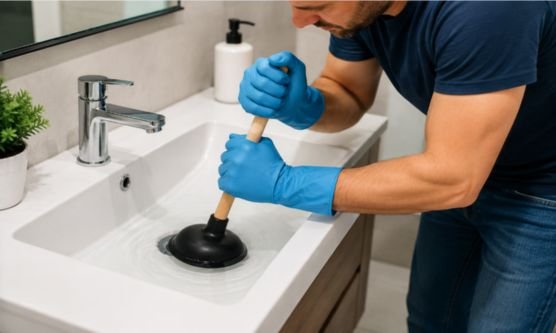
When learning how to unclog bathtub drain using a plunger, creating a strong seal is essential.
Cover the overflow plate before placing the plunger over the drain. If necessary, add enough water to help the plunger cup form a seal.
Push and pull the plunger with steady, controlled movements. The pressure changes can help loosen a blockage and move it through the pipe.
After several attempts, check the drainage. If the water starts flowing normally, run clean water through the tub for a few minutes and monitor the drain.
Use a Drain Snake or Zip Tool for Stubborn Blockages
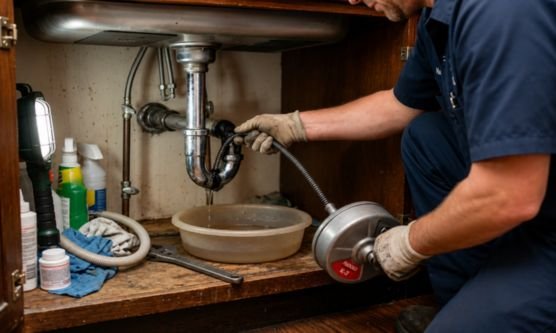
If you are trying to learn how to unclog bathtub drain with a drain snake, remember that this method is generally better suited to deeper or stubborn blockages.
A zip tool is useful for hair located near the drain opening. A manual drain snake can reach farther into the pipe and may help retrieve or break up a deeper obstruction.
Feed the tool slowly and avoid forcing it. Different bathtub plumbing configurations can have bends or components that make aggressive use risky.
If the tool becomes stuck or the blockage does not respond, stop the DIY attempt. A professional plumber can determine whether the problem is deeper in the drain system.
Natural Ways to Unclog a Bathtub Drain
Natural drain cleaning can mean more than using ingredients from your kitchen. In many situations, the most practical chemical-free solution is to physically remove the material causing the blockage.
The best natural methods include removing hair, using a zip tool, plunging, and carefully flushing with hot water when appropriate. Baking soda and white vinegar may also help with light buildup.
Best Natural Methods for Removing Bathtub Clogs
The best way to unclog a bathtub drain naturally depends on the type of obstruction.
For hair near the opening, physical removal is usually the first choice. A zip tool can help reach slightly deeper hair. For a medium water blockage, a plunger may create enough pressure to loosen it.
Hot water may help with light soap residue when suitable for your plumbing. Baking soda and vinegar may be worth trying for minor buildup, but they should not be treated as a universal solution.
When Natural Drain Cleaning Methods Work Best
Natural methods tend to work best when the blockage is small, relatively close to the drain opening, and made up of material that can be removed or loosened.
They are less likely to solve a deep pipe blockage, severe mineral buildup, or a recurring clog caused by an underlying plumbing issue.
If your bathtub drain is still slow after several reasonable cleaning attempts, it may be time to investigate the pipe farther down or contact a professional.
How to Clear a Completely Blocked Bathtub Drain
A completely blocked bathtub requires a different approach from a slow drain. If the bathtub is full of standing water, you need to clear enough space to safely inspect and work on the drain.
Do not pour large amounts of cleaning mixtures into a tub that is already full. The mixture may simply remain in the standing water and create additional cleanup or safety concerns.
Remove Standing Water From the Bathtub
Use a bucket or container to remove the standing water. If possible, dispose of it through another functioning drain.
Removing the water makes the drain opening accessible and allows you to inspect the stopper and visible area for the source of the blockage.
Check and Clean the Drain Stopper
The drain stopper can collect hair, soap scum, and debris. Remove it carefully according to its design and clean it thoroughly.
Check whether the stopper moves properly and whether buildup is preventing it from opening fully. A dirty or malfunctioning stopper can contribute to drainage problems.
After cleaning, reinstall it correctly and test the drain.
Remove Deep Blockages Inside the Pipe
If the bathtub still will not drain, the obstruction may be deeper inside the plumbing. A manual drain snake may help reach material beyond the drain opening.
A P-trap is a curved section of pipe that holds water and helps prevent sewer gases from entering the home. However, bathtub plumbing can be configured differently from sink plumbing, and the P-trap may not be easy for a homeowner to access.
Avoid dismantling plumbing unnecessarily, especially if you are not familiar with the system. If you cannot safely reach the blockage, professional assistance may be the better choice.
Best Methods to Unclog a Bathtub Drain
Different types of blockages call for different solutions. The table below gives you a quick way to compare common methods and choose where to start.
| Method | Best For | Works On |
| Baking soda and vinegar | Small clogs | Soap scum and minor buildup |
| Boiling water | Light buildup | Soap residue |
| Plunger | Medium clogs | Water blockage |
| Drain snake or Zip tool | Deep clogs | Hair and debris buildup |
For light buildup, an appropriate hot-water flush may be enough. If soap residue is the main problem, baking soda and vinegar may help loosen minor buildup. A plunger is a better choice when pressure may help move a medium blockage.
If you suspect hair and debris are deeper inside the pipe, a zip tool or drain snake is generally more appropriate. When a clog keeps returning despite cleaning, the problem may require professional assessment.
What to Do If Your Bathtub Drain Is Still Slow After Cleaning
A drain that remains slow after cleaning may have a hidden blockage. You may have removed the material near the opening without reaching the main obstruction farther down the pipe.
A partial blockage can also allow some water to pass while still causing slow drainage. If the problem continues, avoid repeatedly using the same cleaning method without identifying the cause.
Check for Hidden Blockages
Inspect the drain opening again after cleaning. Hair can sometimes remain trapped below the surface and continue restricting water flow.
A zip tool may help retrieve additional debris close to the opening. If you remove more hair but the drain remains slow, the obstruction may be deeper.
Inspect the P-Trap and Drain Pipe
The P-trap is a curved section of pipe that holds water to help block sewer gases. Bathtub plumbing layouts vary, so the trap may not be as easy to access as the one under a sink.
If you are not familiar with your plumbing system, avoid taking apart connections unnecessarily. Incorrectly reassembled plumbing can create leaks or other problems.
Check for Deeper Pipe Problems
A deeper pipe blockage can cause recurring slow drainage. Mineral deposits, accumulated debris, or other plumbing problems may be restricting water flow farther down the system.
If other fixtures in your home are also draining slowly, the problem may involve a larger section of the plumbing rather than only the bathtub.
When DIY Methods Are Not Enough
If you have tried reasonable DIY methods and the bathtub drain is still slow, stop escalating blindly. Repeated attempts may not solve a blockage located deep inside the plumbing.
A professional plumber can inspect the system and determine whether the problem is a simple obstruction or a more serious pipe issue.
Are Chemical Drain Cleaners Safe for Bathtub Drains?
Problems With Chemical Drain Cleaners
Some chemical products can produce harsh fumes or cause serious injury if they splash onto skin or eyes. Residue may also remain in the drain after treatment. They may not be the best solution for a clogged bathroom drain caused by a physical obstruction such as compacted hair.
Chemical drain cleaners can be particularly risky when people use more than one product or attempt to combine them with household cleaners. Never mix commercial chemical drain cleaners with vinegar, bleach, baking soda, or other cleaning products. Mixing cleaning products can create dangerous chemical reactions.
If your bathtub won’t drain or water won’t go down the bathtub drain, physically removing the obstruction may be a more practical approach. In many cases, learning how to clear a bathtub drain with a plunger, zip tool, or drain snake is preferable to repeatedly using harsh chemicals.
Chemical cleaners may also be less effective against dense hair blockages. When the goal is to remove bathtub drain clog material such as hair and debris, mechanical removal is often more direct and gives you a better idea of what is actually causing the problem.
Safer Eco-Friendly Alternatives
There are several eco-friendly drain cleaning methods that can be considered before using harsh chemical products. Physical hair removal, plunging, zip tools, manual drain snakes, and appropriate hot-water flushing can all play a role in DIY bathtub drain unclogging.
For minor buildup, baking soda and white vinegar may be an option. However, if you are looking for how to unclog bathtub drain without baking soda, physical removal and mechanical methods are still available. A zip tool can help pull out hair near the drain opening, while a drain snake may reach a deeper blockage.
These natural ways to unclog bathtub drain problems are most useful when matched to the type of blockage. Hot water may help with light soap residue, while a plunger can help with certain medium blockages. For a dense hair clog, removing the material directly is usually more effective.
Regular drain maintenance can also reduce the need for stronger interventions. Removing hair early and using a drain cover can prevent many common bathtub clogs. These simple eco-friendly drain cleaning methods also make routine bathroom maintenance easier and reduce the chance of dealing with a serious blockage later.
DIY Tips to Prevent Future Bathtub Drain Clogs

Preventing a clogged drain is usually easier than dealing with a bathtub full of standing water. A few simple maintenance habits can reduce the amount of hair and debris entering your plumbing and help you fix clogged bathtub drain problems before they become severe.
If you notice water draining slowly from bathtub plumbing or your bathtub drain slows after shower use, do not wait until the drain stops working completely. Early action can often make slow bathtub drain fix efforts much easier.
Clean Hair and Debris Regularly
Check the drain opening regularly and remove trapped hair before it moves deeper into the pipe. If you want to know how to remove hair from bathtub drain naturally, physical removal is usually the simplest approach. Pull out visible hair with gloves or use a suitable zip tool for material just below the opening.
This small habit can help clear clogged bathtub drain problems before they become more difficult to manage. It also reduces the amount of hair that combines with soap scum inside the pipe.
Use a Drain Cover
A drain cover or hair catcher can collect loose hair before it enters the pipe. Clean it frequently so that the catcher itself does not become a source of restricted drainage.
This simple step can significantly reduce the amount of hair entering your bathtub plumbing. It is especially helpful for households where hair buildup is a frequent cause of a bathroom tub drain clogged problem.
Maintain Your Bathroom Drain System
Pay attention to changes in water flow. If the drain starts taking longer to empty, inspect it before the problem becomes severe. A bathtub drain slow after shower use can be an early warning that hair, soap scum, or debris is beginning to restrict the pipe.
Regular bathroom maintenance also includes keeping the drain opening clean and avoiding unnecessary debris entering the plumbing. Addressing a partial blockage early is often easier than trying to fix clogged bathtub drain problems after the pipe becomes completely blocked.
If you notice a clogged bathroom drain in more than one location, however, the issue may extend beyond the bathtub. Multiple slow drains can point to a deeper plumbing problem that requires professional attention.
Clean the Drain Stopper Frequently
Remove the drain stopper periodically and clean away hair, soap scum, and residue. This is one of the easiest areas to maintain because it is often accessible without specialised tools.
Keeping the stopper clean can help maintain normal water flow and make it easier to spot early signs of a clog. It can also make future attempts to clear clogged bathtub drain openings much easier because less debris is allowed to collect around the stopper.
When Should You Call a Plumber?
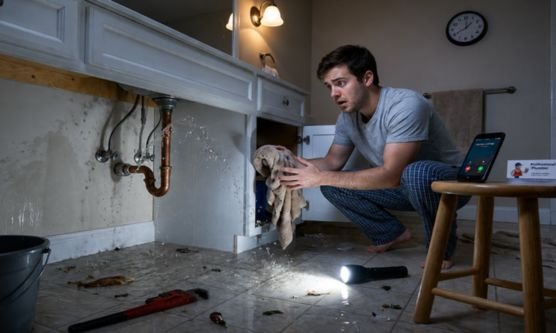
DIY drain cleaning is reasonable for many small, straightforward clogs. However, not every blockage should be handled without professional help. If you have already tried several natural ways to unclog bathtub drain problems and the blockage continues, it may be time to stop DIY work.
If the problem is severe, recurring, or affecting more than one fixture, professional inspection may save time and prevent further plumbing damage. A bathtub drain overflowing or water backing up into another fixture can be a sign that the blockage is deeper than the bathtub drain itself.
Signs of a Serious Drain Problem
You should consider contacting a plumber if you notice repeated clogs, a complete blockage that resists reasonable DIY methods, or water backing up into other fixtures.
If your bathtub won’t drain despite using a plunger or manual drain tool, avoid repeatedly forcing tools into the pipe. The same applies if you have a bathroom tub drain clogged with a blockage that keeps returning after cleaning.
Persistent foul smells, gurgling sounds, bathtub drain overflowing, and signs of water damage are also reasons to seek professional help. Multiple slow drains can indicate a larger pipe blockage rather than a problem limited to the bathtub.
Professional Solutions for Persistent Clogs
A professional plumber may use a drain snake, auger, inspection equipment, or other specialised tools to locate and remove a stubborn blockage. These methods can be useful when a homeowner cannot safely reach the obstruction or when basic DIY bathtub drain unclogging methods have failed.
Professional service is especially useful when the clog keeps returning or when there are signs of a deeper pipe problem. A plumber can also determine whether the issue involves the drain line, pipe condition, or another part of the plumbing system.
If you are a renter, contact your landlord or property manager before attempting major plumbing repairs.
Final Thoughts
The best way to approach how to unclog bathtub drain problems depends on what is blocking the pipe and where the obstruction is located. A simple hair clog near the opening may be removed by hand or with a zip tool, while a deeper blockage may require a drain snake or professional assistance.
Start with the least invasive option. If you need to clear a clogged bathtub drain, begin by removing visible hair and debris. Then consider hot water, baking soda, and vinegar for suitable minor buildup, or a plunger for certain medium blockages. If you are wondering how to clear a bathtub drain without relying on harsh products, mechanical methods such as a zip tool or drain snake can be useful alternatives.
Most importantly, do not assume that every natural method will solve every clog. If water won’t go down bathtub drain openings, the drain keeps slowing down, or the problem repeatedly returns, the blockage may be deeper than a simple surface clog. Knowing when to stop DIY work can protect your plumbing and help you get the right solution faster.
Related Plumbing Guides
Explore these related guides for more targeted troubleshooting and practical fixes:
- Home Plumbing Troubleshooting Guide
- Why Does My Sink Drain Slowly?
- Why Is My Shower Water Pressure Low?
FAQs
What causes a bathtub drain to clog?
Hair, soap scum, mineral buildup, body oils, and debris are the most common causes. Hair often becomes trapped near the drain stopper and combines with soap residue, creating a dense blockage. Poor maintenance and deeper pipe obstructions can also contribute to recurring clogs.
Can baking soda and vinegar unclog a bathtub drain?
Baking soda and vinegar may help loosen minor soap scum and light residue, but they are not guaranteed to clear every clog. They are unlikely to remove a dense hair clog or a deep pipe blockage. For these problems, physical removal, plunging, or a drain snake may be more effective.
How do you unclog a bathtub drain without chemicals?
Start by removing the drain stopper and pulling out visible hair and debris. If appropriate for your plumbing, try a hot-water flush. You can also use a properly sealed plunger or a zip tool. For deeper blockages, a manual drain snake may help. If the clog persists, contact a plumber.
Why is my bathtub draining slowly?
A slow drain usually indicates a partial blockage caused by hair, soap scum, mineral deposits, or debris. If you notice water draining slowly from bathtub plumbing, especially after a shower, inspect the drain for buildup. If cleaning the opening does not improve drainage, the obstruction may require a drain tool or professional inspection.
Can boiling water unclog a bathtub drain?
Boiling water may help loosen light soap residue and minor buildup, but it is not a reliable solution for dense hair clogs or deep blockages. Always consider your plumbing materials and system configuration before using boiling water, as very high temperatures may not be suitable for every drain.
What dissolves hair in a drain naturally?
There is no dependable natural household product that safely dissolves every hair clog. If you are looking for how to remove hair from bathtub drain naturally, physical removal is usually more effective. A zip tool can grab hair near the opening, while a manual drain snake may reach deeper material. Baking soda and vinegar may help with surrounding residue but should not be expected to dissolve a dense hair blockage.
How do you remove hair from a bathtub drain?
Remove the drain stopper if possible and pull out visible hair using gloves. If the hair is just below the opening, use a zip tool carefully to catch and remove it. For deeper hair buildup, a drain snake may be necessary. This type of physical removal is often one of the simplest natural ways to unclog bathtub drain problems caused by hair. Avoid forcing tools into the pipe, as aggressive use can potentially damage plumbing.
How do you unclog a bathtub drain full of standing water?
Remove as much standing water as possible using a bucket or container. Check and clean the drain stopper, then remove any visible debris. If appropriate, use a plunger while covering the overflow opening to create a proper seal. If the blockage remains, a drain snake may help. If the bathtub drain overflow continues or the bathtub won’t drain after reasonable DIY attempts, persistent complete blockages should be handled by a plumber.
How do plumbers unclog bathtub drains?
Plumbers first assess the likely location and type of blockage. They may use professional drain snakes, augers, or inspection tools to reach deeper obstructions. If a clogged bathroom drain is caused by a damaged pipe or recurring plumbing problem, the plumber may investigate the underlying cause instead of simply clearing the immediate blockage.