
A roof protects your home from rain, wind, heat, and other weather conditions. But even a well-built roof will eventually wear out. Knowing when that may happen helps you plan repairs, avoid water damage, and budget for replacement before a small problem becomes expensive.
Your roof’s age tells only part of the story. Installation quality, attic ventilation, sunlight, storms, and maintenance can all affect its condition. A roof that receives regular inspections may remain serviceable longer than a similar roof with hidden leaks or neglected damage.
This guide explains the average roof lifespan by material, the signs that indicate a roof may need replacing, and how to decide between repairs and a full roof replacement. You’ll also learn how to estimate your roof’s age and take practical steps to extend its useful life.
How Long Does a Roof Last on Average?
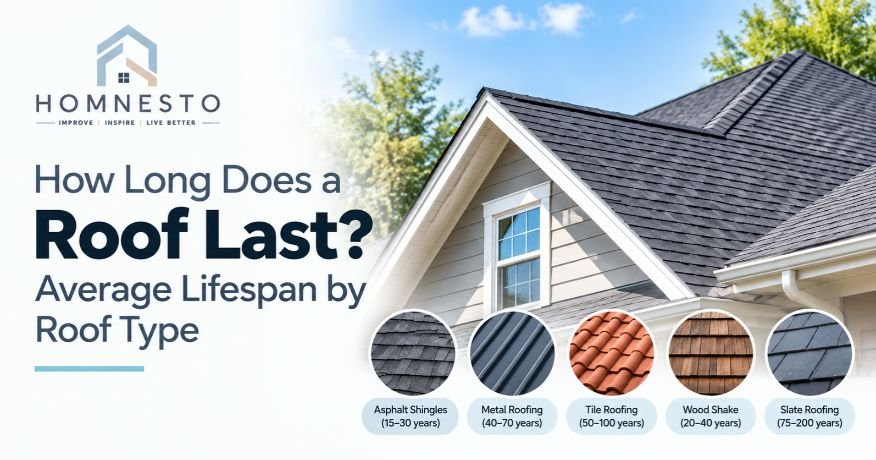
Most residential roofs last between 15 and 70 years, depending on their material and the conditions they face. Some roofing systems, such as slate, can last for a century or longer. Others, especially certain flat-roof membranes, may need replacement much sooner.
There is no single average lifespan of a roof that applies to every home. A basic asphalt shingle roof and a standing-seam metal roof have different service lives, maintenance needs, and replacement costs. Even roofs made from the same material can age at different rates.
Average Roof Lifespan by Roofing Material
Use the following table as a starting point when estimating how long your roof may last. These ranges assume reasonable installation and maintenance under typical conditions.
| Roofing material | Typical lifespan |
| Three-tab asphalt shingles | 15–20 years |
| Architectural asphalt shingles | 20–30 years |
| Metal roofing | 40–70 years |
| Clay roof tiles | 50–100 years or more |
| Concrete roof tiles | 40–75 years |
| Flat roofing membranes | Around 15–30 years, depending on the system |
| Natural slate | 75–150 years or more |
| Copper roofing | Around 70–100 years or more |
| Rubber roofing | Around 20–30 years for many systems |
| Thatched roofing | Around 15–40 years, depending on the material and climate |
These figures are broad planning estimates. Actual roofing material lifespan depends on product quality, installation, local weather, ventilation, and upkeep. Some flat-roof systems may fall outside the ranges shown, and different metal products have different service lives.
A roof’s surface may also outlast the components beneath it. For example, tile can remain in good condition while the underlayment underneath needs repair or replacement. That is why a roof inspection should assess the complete roofing system rather than just the visible material.
How Long Does a New Roof Last?
A new roof can last anywhere from around 15 years to more than a century, depending on the material. A newly installed asphalt shingle roof generally has a shorter expected lifespan than a well-installed slate or metal roof.
However, a new roof does not automatically receive the full lifespan advertised by its manufacturer. Poor installation, inadequate ventilation, damaged flashing, and unsuitable materials can cause early problems. Severe storms may also damage a roof long before its expected replacement date.
Ask your roofing contractor which materials will be installed, how the roof deck and underlayment will be handled, and what the warranty covers. Keep the contract, product information, inspection records, and completion date. These details will help you track the roof’s age and plan future maintenance.
How Long Should a Roof Last on a House?
A properly installed and maintained roof should provide years of protection within the expected range for its material. Asphalt shingles may need replacement after a few decades, while metal and tile roofs can remain serviceable much longer.
The condition of your existing roof matters as much as its age. A 20-year-old roof with healthy shingles, sound flashing, and no signs of moisture may have useful life remaining. A younger roof with widespread damage or repeated leaks may need significant repairs sooner.
Do not assume that every roof needs replacing at a specific age. Use the original installation date, the material’s expected lifespan, the roof’s condition, and a professional inspection to make an informed decision.
What Is the Average Life Expectancy of a Roof?
The average roof life depends on which materials are included in the comparison. Asphalt shingles are common on residential homes, but metal, tile, slate, and flat-roof systems have different expected lifespans.
For this reason, roof lifetime is better estimated by material than by one general average. A roof that is nearing the end of its expected lifespan deserves closer attention, but age alone does not prove that replacement is necessary.
When estimating roof longevity, consider the material, the installation date, the weather it has faced, and its current condition. These details give you a more useful estimate of how long your roof may remain reliable.
Roof Lifespan by Roofing Material

The roofing material is one of the biggest factors affecting how long a roof lasts. Each material responds differently to heat, moisture, wind, impact, and everyday wear.
The sections below explain the expected lifespan of common residential roofing materials, what can shorten their service life, and when replacement may become necessary.
How Long Does a Shingle Roof Last?
An asphalt shingle roof typically lasts around 15–30 years. Basic three-tab shingles generally fall toward the lower end of this range, while thicker architectural shingles can last longer.
The answer to how long do shingle roofs last depends on the shingle type, installation quality, attic ventilation, and local climate. Strong winds can loosen shingles, hail can damage their surface, and prolonged heat and sunlight can speed up aging.
Asphalt shingle roof lifespan: Three-tab shingles often last around 15–20 years. Architectural shingles commonly last around 20–30 years under suitable conditions. Some products may perform outside these ranges, so check the manufacturer’s guidance for your specific roof.
Look for curling edges, cracked shingles, missing pieces, and widespread loss of protective granules. These signs may indicate that the shingles are wearing out. A few damaged shingles may be repairable, but widespread deterioration can make replacement the better option.
The life of asphalt shingles also depends on what happens beneath them. A leaking roof deck, poor ventilation, or damaged flashing can cause problems even when many shingles still look acceptable.
How Long Do Architectural Shingles Last?
Architectural shingles, also called dimensional or laminate shingles, commonly last around 20–30 years. They are generally thicker than basic three-tab shingles and have a layered appearance.
Their lifespan still depends on installation, product quality, weather exposure, and maintenance. Architectural shingles are not immune to wind damage, cracking, or granule loss.
Check the product’s specifications rather than relying only on a label that promises a certain number of years. A warranty period does not guarantee that the roof will remain damage-free for that entire time.
When Should Asphalt Shingles Be Replaced?
Replace an asphalt roof when its condition shows that repairs are no longer enough to protect the home reliably. Widespread curling, brittle or cracked shingles, repeated leaks, significant granule loss, and extensive storm damage are reasons to arrange a professional inspection.
A few missing shingles do not always require a full roof replacement. A contractor can assess whether the damage is limited or whether the surrounding shingles and underlying roof structure have also deteriorated.
If the roof is approaching the end of its expected lifespan, compare the cost and likely usefulness of further repairs with the cost of replacing it.
How Long Do Metal Roofs Last?
Metal roofs commonly last around 40–70 years, although some systems have shorter or longer service lives. Standing-seam metal roofs can last several decades when installed correctly and maintained as needed.
Metal roofing is durable, but its lifespan depends on the metal type, protective coating, fasteners, seams, and exposure to moisture or salt air. Scratched coatings, corroded areas, loose fasteners, and damaged flashing can create problems if left untreated.
If you are asking how long do metal roofs last on a house, start by identifying the roofing system. A standing-seam roof does not have the same design or maintenance requirements as a corrugated metal roof with exposed fasteners.
Metal roofs do not always need complete replacement when a problem appears. Depending on the damage, a contractor may be able to replace fasteners, repair flashing, restore a coating, or address a limited damaged area.
How Long Do Tin Roofs Last?
The phrase “tin roof” is often used for metal roofing in general, although modern roofs commonly use steel or aluminum rather than actual tin. The lifespan therefore depends on the metal and the roofing system installed.
A well-maintained metal roof may last several decades. However, corrosion, coating failure, poor installation, and damaged fasteners can shorten its service life.
If you have an older tin roof, ask a roofing professional to identify its material and inspect its condition. Do not estimate its remaining life based on appearance alone.
How Long Do Tile Roofs Last?
Tile roofs can last around 40–100 years or longer, depending on whether they use concrete or clay tiles and how well the complete roofing system is maintained.
Roof tile life expectancy can be misleading if you consider only the visible tiles. Tiles may remain intact while the underlayment, flashing, or other components beneath them deteriorate. A roof can therefore need substantial work before every tile reaches the end of its useful life.
Tile roofs can also crack after impact or suffer damage from foot traffic. Walking on tiles without the right precautions may break them, so leave inspections and repairs to trained professionals.
How Long Do Clay Tile Roofs Last?
Clay tile roofs commonly last around 50–100 years or longer when properly installed and maintained. Their long service life makes them a durable option, although the initial installation can be expensive.
The tiles themselves may last for many decades, but the underlayment and flashing can wear out sooner. Loose, cracked, or missing tiles can also allow water to reach the layers beneath them.
If your clay tile roof is old, have a professional inspect both the tiles and the underlying system. Replacing damaged components early may help prevent more extensive repairs.
How Long Do Concrete Roof Tiles Last?
Concrete roof tiles commonly last around 40–75 years, although conditions and product quality can change the result. Some systems may last longer, while damage or neglected maintenance can shorten their service life.
The questions “how long do concrete roof tiles last” and “how long do cement tile roofs last” generally refer to the same broad material category. The exact lifespan depends on the product, installation, climate, and the condition of the underlayment.
Check for cracked tiles, displaced pieces, damaged flashing, and signs of moisture beneath the roof. A professional can determine whether the problem is limited to individual tiles or involves the underlying roofing system.
How Long Does a Flat Roof Last?
A flat roof often lasts around 15–30 years, depending on the roofing membrane or system used. Common options include TPO, EPDM rubber, modified bitumen, and built-up roofing.
Flat roof lifespan depends on more than the visible surface. Drainage, seams, flashing, rooftop equipment, sunlight, and standing water all affect performance.
Although flat roofs are designed with a low slope rather than a perfectly level surface, they may drain more slowly than steep roofs. Blocked drains and persistent ponding can increase the risk of leaks and material deterioration.
Inspect the roof for open seams, cracks, blistering, punctures, loose edges, and areas where water remains after rainfall. A professional can identify whether the roof needs a localized repair, membrane restoration, or full replacement.
How Often Should a Flat Roof Be Replaced?
A flat roof should be replaced according to its material, age, condition, and repair history rather than a fixed schedule. Some systems may need replacement after around 15–20 years, while others can last closer to 25–30 years or longer.
Frequent leaks, widespread membrane damage, failing seams, and moisture trapped beneath the surface may indicate that repairs are no longer cost-effective.
Have a qualified roofing contractor inspect the roof before deciding. The contractor should assess the membrane, drainage, insulation, flashing, and underlying deck where accessible. Replacing the visible layer without addressing the cause of recurring damage may lead to more problems.
How Long Do Slate, Rubber, TPO, Copper and Thatched Roofs Last?
Less common roofing materials have different maintenance needs and service lives. The following estimates can help you compare them, but the exact product and installation details still matter.
How Long Do Slate Roofs Last?
Natural slate roofs can last around 75–150 years or longer when the slate and supporting roof system are in good condition. Slate is highly durable, but individual pieces can crack, slip, or break.
The supporting structure must also be suitable for the roof’s weight. Flashing and underlayment may need attention long before the slate itself reaches the end of its life.
If you own a slate roof, use a contractor experienced with slate rather than someone who treats it like ordinary shingles. Incorrect foot traffic and unsuitable repairs can damage the material.
How Long Do Rubber Roofs Last?
Rubber roofing, commonly made from EPDM, often lasts around 20–30 years, depending on the product, installation, climate, and maintenance.
Seams, edges, penetrations, and areas around rooftop equipment deserve regular attention. Punctures, shrinking, separation, and water entry can shorten the roof’s service life.
Follow the manufacturer’s cleaning and maintenance guidance. If leaks keep returning, ask a professional to check whether the damage is limited or whether the membrane has deteriorated across a larger area.
How Long Do TPO Roofs Last?
TPO roofing often lasts around 15–25 years, although product quality, installation, weather exposure, and maintenance affect the actual lifespan.
TPO is a single-ply membrane commonly used on low-slope and flat roofs. Heat-welded seams and flashing details are important because poorly formed or damaged joints can allow water to enter.
Regular inspections can identify seam problems, punctures, loose edges, and drainage issues before they become more extensive. Use a contractor familiar with TPO systems when repairs are needed.
How Long Does a Copper Roof Last?
Copper roofing can last around 70–100 years or longer when properly designed and installed. Some copper roofs remain serviceable for much longer, but the complete system still requires suitable detailing and maintenance.
Copper develops a natural surface patina as it ages. This change in appearance is not automatically a sign of failure.
Leaks can still develop around seams, penetrations, and flashing details. If you are considering copper roofing, compare its high initial cost with its long potential service life and the specific needs of your building.
How Long Do Thatched Roofs Last?
Thatched roofs can last around 15–40 years, depending on the thatching material, local weather, roof pitch, workmanship, and maintenance. The ridge may need attention or replacement sooner than the main thatch.
Moisture management is especially important. Persistent dampness, poor drainage, biological growth, and storm damage can shorten the roof’s useful life.
Because thatching practices and materials vary widely by region, consult a specialist familiar with the type of thatch used on your home. A local expert can provide a more accurate estimate than a general lifespan range.
What Affects How Long a Roof Lasts?
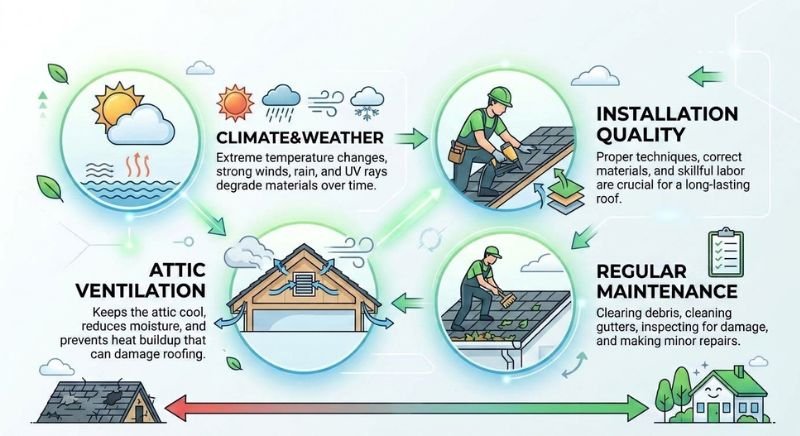
Two roofs made from the same material may age at very different rates. One may remain in good condition for decades, while the other develops leaks or needs early replacement.
Understanding the factors influencing roof lifespan helps you identify preventable problems and plan inspections at the right time.
Roofing Material and Quality
Different materials have different strengths and weaknesses. Asphalt shingles are widely used and relatively easy to repair, while metal, tile, and slate can offer longer service lives under suitable conditions.
Product quality also matters within each category. Two asphalt shingle products may differ in thickness, construction, impact resistance, and manufacturer requirements.
Choose a material suited to your climate, roof design, budget, and maintenance preferences. A product with a longer expected lifespan may cost more initially, so compare long-term value rather than purchase price alone.
Installation Quality
Even high-quality roofing materials can fail early when installed incorrectly. Poorly placed fasteners, weak flashing details, inadequate underlayment, and improperly sealed seams can allow water to enter.
Installation errors may also affect warranties. Follow the manufacturer’s instructions and use a qualified contractor who understands the specific roofing system.
Keep records of the materials used, installation date, warranty terms, and contractor. These details make future repairs and replacement planning easier.
Climate and Weather Exposure
Climate plays a major role in roof longevity. Homes exposed to strong winds, hail, heavy rain, snow, or prolonged heat may experience faster wear than homes in milder conditions.
Wind can lift shingles and loosen roofing components. Hail can crack or bruise certain materials, while repeated moisture exposure can damage vulnerable areas.
Choose roofing materials designed for local conditions and inspect the roof after severe weather. Prompt repairs can help prevent isolated damage from spreading.
Sun, Heat and UV Exposure
Sunlight and heat can gradually degrade many roofing materials. Asphalt shingles may become brittle, coatings can wear down, and some membranes can lose flexibility as they age.
The roof’s orientation also matters. Slopes that receive intense sunlight for much of the day may age faster than more shaded areas.
You cannot control the weather, but you can select suitable materials and maintain the roof according to the manufacturer’s recommendations. Proper attic ventilation can also help manage heat buildup.
Rain, Snow, Ice and Moisture
Water is one of the main threats to a roof. Damaged flashing, open seams, cracked tiles, and missing shingles can let moisture reach the underlying structure.
In cold climates, melting snow can refreeze near roof edges and contribute to ice dams. These can prevent water from draining properly and push it beneath roofing materials.
Flat roofs need particular attention to drainage. Clear blocked drains and have persistent ponding evaluated by a professional. Inside the home, look for water stains, damp insulation, peeling paint, or musty odors that may indicate a leak.
Wind and Storm Damage
Strong winds can lift shingles, damage flashing, loosen metal panels, and send branches onto the roof. Hail can cause impact damage that is not always obvious from the ground.
After a major storm, check for visible debris and signs of water entry from a safe location. Do not climb onto a wet, steep, or damaged roof.
Arrange a professional inspection if you notice missing shingles, displaced materials, dents, leaks, or damage around roof edges. Addressing storm damage early can help prevent more costly repairs.
Roof Ventilation and Attic Conditions
Proper attic ventilation helps manage heat and moisture beneath the roof. Poor ventilation can contribute to excessive attic temperatures, condensation, and moisture-related damage.
Insulation and ventilation must work together. Simply adding more insulation without addressing ventilation or existing moisture problems may not solve the issue.
Look for damp insulation, condensation, mold-like growth, or unusual attic heat. A roofing or insulation professional can assess airflow and recommend changes suited to your home’s design.
Regular Roof Maintenance
Routine maintenance helps identify small problems before they become major repairs. Loose flashing, damaged shingles, clogged gutters, and minor leaks can worsen when ignored.
Inspect visible areas regularly and arrange professional inspections when needed. The right schedule depends on the roofing material, climate, roof age, and recent weather.
Keep a record of repairs, inspections, and replacement work. A home maintenance guide can also help you organize roof checks alongside other essential home upkeep tasks.
Roof Pitch and Design
Roof pitch affects how quickly water drains away. Steeper roofs generally shed water more quickly, while low-slope roofs rely more heavily on correctly designed drainage and waterproofing.
Roof complexity matters too. Valleys, skylights, chimneys, vents, and other penetrations create areas where flashing and waterproofing need careful installation.
Complex roofs may require more inspection and maintenance because they have more joints and details where problems can develop. The right materials and installation methods should match the roof’s design.
How to Tell How Old Your Roof Is
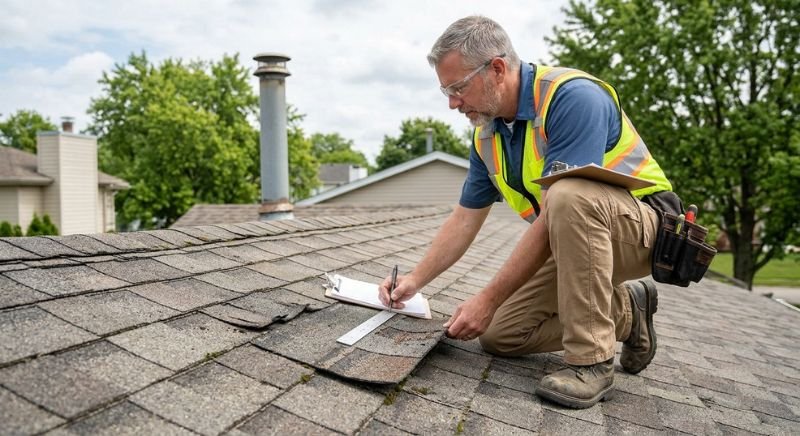
Knowing your roof’s age helps you estimate its remaining lifespan and decide when to arrange an inspection. However, you may not know the installation date if you recently bought the home or the previous owner did not keep records.
Use the following steps to investigate the roof’s history.
Check Your Home Improvement and Roofing Records
Start with documents from previous home repairs or renovations. Look for roofing invoices, contractor estimates, inspection reports, building permits, warranties, and insurance claims.
These records may identify the installation date, roofing material, contractor, and work completed. If the roof was repaired rather than fully replaced, check the scope of work carefully.
A repair invoice does not necessarily mean the entire roof is new. Confirm whether the contractor replaced the whole roof, one slope, or only a damaged section.
Look for the Original Roof Installation Information
Check any paperwork provided when the home was purchased. Sellers may have included roof warranties, renovation records, or details about previous work.
If the home is relatively new, construction documents may identify the original roofing materials and installation date. However, the original roof may have been replaced since the home was built.
Use these records as a starting point, then compare them with available maintenance and repair history.
Ask the Previous Homeowner or Roofing Contractor
If records are incomplete, contact the previous homeowner, property manager, or contractor who worked on the roof. They may remember when the roof was installed or have copies of the relevant paperwork.
A roofing contractor may also identify the material and estimate its approximate age based on visible wear. This estimate is not always exact because weather and maintenance can make a roof look older or newer than it is.
When possible, confirm the age using written records rather than appearance alone.
Inspect the Roof for Signs of Age
Aging shingles may show curling, cracking, bald spots, or widespread granule loss. Metal roofs may have damaged coatings, corrosion, or failing fasteners. Tile and slate roofs may have broken or displaced pieces.
These signs can help a professional assess the roof’s condition, but they cannot establish an exact installation date. A poorly maintained roof can deteriorate early, while a well-maintained roof may look good for many years.
Do not climb onto the roof to check its age. Use a qualified roofing professional if a closer inspection is needed.
How to Find Out When Your Roof Was Last Replaced
If you are asking, “When was my roof replaced?” start with the previous owner’s records, roofing invoices, building permits, and contractor documentation.
You can also check home inspection reports or ask the seller whether the roof was replaced before the sale. If the property has been insured for many years, available claim or repair records may provide additional clues.
Remember that a permit or invoice may refer to a partial replacement or repair rather than a complete new roof. Confirm the scope of the work before using the date to estimate the roof’s remaining life.
How to Find Out Who Replaced Your Roof
Look for the contractor’s name on invoices, warranties, permits, and renovation documents. Previous owners or property managers may also know which company completed the work.
If you cannot find the records, check with the local building department where permits are available to the public. Access and record retention vary by location, and older work may not appear in an online database.
Finding the original contractor can help you obtain installation details or warranty information. However, do not assume that a warranty remains active or transferable without checking its terms.
Signs Your Roof Needs to Be Replaced

A roof may need replacement when damage becomes widespread, leaks keep returning, or the material has reached the end of its useful life. Not every visible problem means the whole roof must be replaced, but several warning signs together deserve attention.
Roof Shingles Are Curling, Cracking or Missing
Shingles may curl at the edges, crack across the surface, or come loose after wind damage. Missing shingles can expose the underlying roof layers to water.
A small damaged area may be repairable if the surrounding shingles and roof structure remain in good condition. Widespread curling, cracking, or missing shingles may indicate that the roof is nearing the end of its lifespan.
Arrange an inspection if you notice these problems. For more detail, read about [common roof leak causes] and how damaged roofing materials can allow water into the home.
Widespread Granule Loss
Asphalt shingles contain protective granules that help shield them from sunlight and weather. Some granules may appear in gutters over time, but heavy or widespread loss can indicate advanced wear.
Look for bald areas on shingles, uneven coloring, or large amounts of granules collecting in gutters and downspouts. These signs deserve attention, particularly when the roof is older.
Granule loss alone does not determine whether a full roof replacement is necessary. A professional should assess the extent of wear and check for other signs of deterioration.
Sagging Roof Areas
A roofline that appears to dip or sag may indicate a problem with the roof deck, framing, or supporting structure. Moisture damage and structural deterioration can contribute to this condition.
Do not ignore a visible sag or try to repair it yourself. Keep people away from any area that appears unstable and arrange a prompt professional assessment. If there is an immediate risk of collapse, leave the affected area and contact the appropriate emergency service.
A sagging roof is not simply a cosmetic issue. The cause must be identified before deciding whether repairs or major reconstruction are needed.
Frequent Roof Leaks
A roof that leaks repeatedly may have damaged shingles, failing flashing, deteriorated underlayment, or another unresolved problem. Water can also enter around chimneys, skylights, vents, and roof valleys.
One leak does not always mean you need a new roof. However, repeated leaks in different locations may suggest that the roofing system is deteriorating or that previous repairs did not address the underlying cause.
Arrange an inspection to identify where the water enters and whether the damage is localized. Repairing the source early can reduce the risk of damaged insulation, ceilings, walls, and framing.
Water Damage or Stains in the Attic
Dark stains, damp insulation, peeling materials, and musty odors in the attic can indicate water entry or condensation. The source may be a roof leak, a ventilation problem, or another moisture issue.
Check the attic only if it is safe to enter. Avoid stepping on unsupported surfaces, and do not touch wet electrical components.
A professional can trace the source of moisture and determine whether the roof needs a repair or broader replacement. Fixing the visible stain without correcting the cause will not solve the problem.
Moss, Algae or Persistent Moisture Problems
Moss and algae can grow on roof surfaces that stay damp or receive limited sunlight. Their presence does not automatically mean the roof has failed, but heavy growth can retain moisture and complicate maintenance.
Persistent dampness may also point to poor drainage, overhanging vegetation, or areas where water does not dry quickly. Some roofing materials require special cleaning methods, so avoid harsh chemicals or pressure washing unless the manufacturer allows them.
If moisture problems keep returning, have the roof assessed and address the underlying drainage or ventilation issue.
Your Roof Has Reached the End of Its Expected Lifespan
An older roof deserves closer inspection, especially if it has a history of leaks or repairs. Asphalt shingles may be nearing replacement after a few decades, while metal, tile, and slate roofs may last much longer.
Age alone does not prove that a roof needs replacement. Its condition, repair history, and the state of the underlying components also matter.
If the roof is near the end of its expected lifespan, ask a qualified contractor to assess the remaining useful life and compare repair costs with replacement. You can also review our guide to [signs your roof needs to be replaced] for more warning signs.
When Should You Replace Your Roof?
The right time to replace a roof depends on its age, material, condition, and history of damage. Some roofs need replacement before reaching their expected lifespan, while others remain serviceable beyond it.
The goal is to plan replacement before widespread failure occurs, without spending money on a roof that still has useful life remaining.
Replace Based on Roof Age vs. Roof Condition
Roof age gives you a starting point, but condition helps determine what to do next. A roof nearing its expected lifespan may still be in good shape, while a younger roof can develop serious problems after poor installation or severe weather.
Consider three things together: the material’s expected lifespan, the current signs of wear, and the cost of necessary repairs. A professional inspection can help you decide whether to monitor the roof, repair a damaged area, or prepare for replacement.
If the roof has no major problems, you may have time to plan and compare contractors. If it has active leaks or structural damage, act more quickly.
How Often Should a Roof Be Replaced?
There is no universal schedule for how often to replace a roof. Asphalt shingles may need replacement after around 15–30 years, while metal and tile systems can last much longer. Flat roofing systems vary by membrane type and exposure.
The phrase “how often should you replace your roof” is best answered by checking the roof’s material and condition rather than following a fixed calendar.
Keep records of inspections and repairs so you can track changes over time. If the roof is approaching the end of its expected lifespan, schedule a professional evaluation before problems become urgent.
When to Replace a Roof Before It Fails
Plan replacement before failure when the roof has widespread material deterioration, repeated leaks, extensive storm damage, or several costly repairs in a short period.
Waiting until a roof fails can lead to water damage inside the home. Damaged insulation, ceilings, walls, and framing may increase the total repair bill.
If the roof is old and multiple areas need work, request a professional assessment and a written estimate for both repairs and replacement. This comparison can help you plan the project before an emergency develops.
When a Roof May Last Longer Than Its Expected Lifespan
A roof may outlast its estimated lifespan when it uses durable materials, has been installed correctly, and receives suitable maintenance. Mild weather and good drainage can also help reduce wear.
However, a roof that looks good from the ground may still have problems with flashing, underlayment, fasteners, or hidden moisture. An older roof should not be assumed safe simply because it has not leaked.
Use its condition and professional inspection results to decide whether it can remain in service. Do not replace a sound roof only because it has reached a number printed on a warranty.
How Weather and Damage Can Shorten Roof Life
Severe storms, hail, strong winds, falling branches, and persistent moisture can shorten a roof’s useful life. Heat and ultraviolet exposure may also speed up the aging of some materials.
A single storm can damage an otherwise healthy roof, so its age does not always reflect its current condition. After severe weather, look for visible damage from a safe location and arrange an inspection if anything appears wrong.
Prompt repairs can prevent further water entry. If damage is widespread, ask a qualified contractor whether repairing the roof remains practical or a full replacement is the better option.
Should You Repair or Replace Your Roof?
The choice between roof repair and replacement depends on the size of the problem, the roof’s age, and how well the existing system is performing. Repairing a limited problem can save money, but repeated repairs may become poor value if the roof is failing across a large area.
When Roof Repair Makes More Sense
Roof repair often makes sense when the damage is limited and the rest of the roof remains in good condition. Examples include a few missing shingles, a small area of damaged flashing, or a localized leak with a clear cause.
Repairs may also be practical when the roof is relatively new and the underlying structure remains sound. Fixing the problem early can prevent water damage and help preserve the remaining lifespan.
Ask the contractor to identify the cause of the damage, explain the proposed repair, and check nearby areas for related problems. A repair should address the source of the issue rather than only covering the visible symptoms.
When Full Roof Replacement Makes More Sense
A full roof replacement may be the better option when the roofing material has deteriorated across large areas, leaks keep returning, or many components need attention at once.
Replacement may also make sense when the roof is near the end of its expected lifespan and further repairs are unlikely to provide lasting value. Significant damage to the roof deck or other underlying components may increase the scope of the project.
Before committing, request a detailed estimate that explains what will be removed, which materials will be installed, and whether the underlayment, flashing, ventilation, or damaged decking needs work.
Repair vs. Replace Based on Roof Age and Damage
An older roof with widespread damage is more likely to need replacement than a newer roof with one isolated problem. However, age should not be the only factor.
Consider the repair cost, the expected remaining lifespan, the likelihood of more problems, and the consequences of another leak. If repairs are becoming frequent and expensive, replacement may offer better long-term value.
For more help weighing these options, read [signs you need roof repair vs replacement]. A contractor can also explain which parts of the roof can be retained and which need replacement.
How to Decide Between Repair and Replacement
Use these questions to guide your decision:
- Is the damage limited to one small area, or is it widespread?
- Has the roof leaked repeatedly despite previous repairs?
- Is the roofing material near the end of its expected lifespan?
- Are the roof deck, flashing, and underlayment still in suitable condition?
- Would another repair provide meaningful service life, or only delay a larger project?
Compare written repair and replacement estimates rather than relying on a verbal recommendation alone. Make sure each estimate describes the work and materials clearly.
If the roof is leaking, take reasonable steps to protect the interior from further damage while arranging professional help. Avoid climbing onto the roof or attempting repairs in unsafe weather.
How Long Does It Take to Replace a Roof?
Many residential roof replacements take around one to a few days of active work, but larger or more complex projects may take longer. The timeline depends on the roof’s size, material, slope, accessibility, weather, and the amount of underlying damage.
The installation period is not the same as the full project timeline. Choosing materials, obtaining permits where required, scheduling the crew, and arranging inspections can add time before work begins.
How Long Does a Typical Roof Replacement Take?
A straightforward asphalt shingle roof on an average-sized home may be replaced in one to three working days. A larger roof, a complex design, or a material requiring specialized installation may take longer.
Metal, tile, slate, and some flat-roof systems require different methods and handling. The crew may also need extra time to remove old materials, inspect the deck, and replace damaged components.
Ask the contractor for a project schedule based on your actual roof. The estimate should explain the expected workdays and how the crew will protect the home if work stops overnight.
What Can Make Roof Replacement Take Longer?
Several factors can extend a roof replacement:
- Roof size and design: Large roofs and those with many valleys, skylights, chimneys, or steep slopes take more time.
- Material choice: Some materials require more precise installation or specialized skills.
- Hidden damage: Rotten decking, damaged framing, or wet insulation can add work.
- Removal requirements: Multiple existing roof layers may take longer to remove and dispose of.
- Access and safety: Difficult access or the need for special equipment can slow the project.
- Permits and inspections: Local requirements may affect scheduling.
Ask your contractor how unexpected damage will be handled and whether additional work requires your approval.
How Weather Can Delay Roof Replacement
Rain, high winds, snow, and extreme temperatures can make roofing work unsafe or affect installation quality. Contractors may delay work to protect workers and prevent moisture from entering the home.
Weather delays do not always mean the project is poorly managed. Roofing materials and installation methods often require suitable conditions.
Before work begins, ask how the crew will protect exposed areas if the weather changes. A clear plan helps reduce the risk of water entering the home during the project.
What Is Needed to Replace a Roof?
A roof replacement typically requires the roofing materials, underlayment, flashing, fasteners, ventilation components where needed, and equipment to remove and install the roof safely.
The exact materials depend on the roof type and its condition. The contractor may also need permits, waste disposal arrangements, protective coverings, and replacement decking if the existing boards are damaged.
If you are wondering how to replace a roof, understand that the work involves fall hazards, weather exposure, and components that must be installed correctly to prevent leaks. For most homeowners, hiring a qualified roofing contractor is safer than attempting a full replacement without professional experience.
How to Extend the Life of Your Roof
Regular maintenance can help you spot problems early and protect the roofing system from avoidable damage. It cannot prevent every failure, but it can reduce the chance that a small issue will develop into a major repair.
Inspect Your Roof Regularly
Check your roof from the ground for missing shingles, damaged flashing, loose materials, debris, or changes in the roofline. Look inside the attic for damp insulation, water stains, and signs of moisture.
The right inspection schedule depends on the roof’s material, age, and exposure to severe weather. Arrange a professional inspection if the roof is older, has experienced storm damage, or shows signs of deterioration.
Keep Gutters Clean
Blocked gutters can prevent rainwater from draining properly. Water may overflow near the roof edge, collect around the home’s foundation, or contribute to moisture problems.
Remove leaves and debris when it is safe to do so, and check that downspouts carry water away from the home. Do not climb ladders without proper safety precautions.
Fix Small Roof Leaks Early
Even a small leak can damage insulation, ceilings, walls, and framing if it continues. Water may travel along roof components before appearing as a stain indoors, so the visible mark may not show the exact entry point.
Arrange a professional inspection when you notice damp patches, peeling paint, or water stains. Do not simply repaint the affected area without identifying and fixing the source.
Early repairs can reduce the risk of further damage and may help preserve the roof’s remaining lifespan.
Keep the Attic Properly Ventilated
Good attic ventilation helps manage heat and moisture. Poor airflow can contribute to condensation and may accelerate the aging of some roofing materials.
Check that vents are not blocked by insulation, debris, or stored items. However, do not make ventilation changes without considering the home’s insulation and overall airflow design.
A qualified professional can assess whether your attic needs better ventilation, insulation adjustments, or repairs to an existing moisture problem.
Address Moss, Algae and Moisture
Moss and algae may grow on surfaces that stay damp. Heavy growth can hold moisture against some roofing materials and make inspection or maintenance more difficult.
Use cleaning methods approved for your specific roofing material. Avoid aggressive pressure washing or unapproved chemicals, which may damage shingles, coatings, tiles, or nearby landscaping.
If growth returns repeatedly, look for causes such as overhanging branches, poor drainage, or limited sunlight. Addressing these conditions can help the roof dry more effectively.
Remove Debris From the Roof
Leaves, branches, and other debris can trap moisture and block drainage paths. Falling branches can also damage roofing materials during storms.
Remove debris only when it can be done safely. Steep, slippery, or fragile roofs should be handled by trained professionals.
Trim overhanging branches where appropriate, and inspect the roof after major storms. Prompt attention can help prevent damage from becoming more serious.
Schedule Professional Roof Inspections
A professional inspection can identify problems that are difficult to see from the ground. A roofer may check shingles, flashing, seams, drainage, and accessible areas beneath the roof surface.
Inspections are especially useful when buying a home, approaching the expected replacement age, or dealing with repeated leaks. Ask for written findings and photos where available.
Keep inspection and repair records with your home documents.
How Long Do Roofs Last in Different Climates?
Climate can change how long a roof lasts, even when the same materials are used. Heat, ultraviolet exposure, wind, rain, hail, snow, and salt air can affect roofing materials in different ways.
A roof installed in one state may not have the same lifespan as the same product installed in another. Consider local weather patterns and product ratings when choosing materials or estimating remaining life.
How Long Do Roofs Last in Hot and Sunny Climates?
Hot, sunny climates expose roofs to high temperatures and strong sunlight. Heat and ultraviolet radiation can accelerate the aging of asphalt shingles and some roof coatings.
For homeowners asking how long do roofs last in Arizona, Texas, or California, the answer depends on the specific location, material, ventilation, and exposure. These states contain different climate zones, so a single statewide lifespan estimate would be misleading.
In Florida, heat combines with humidity, heavy rain, and hurricane exposure in many areas. Questions such as how long do roofs last in Florida or how long do roofs last in Texas should be answered using the roof type and local weather risks rather than state names alone.
Choose materials designed for local conditions, maintain ventilation and drainage, and inspect the roof after severe weather.
How Long Do Roofs Last in Areas With Severe Storms?
Roofs in areas with hurricanes, hail, tornadoes, or frequent severe thunderstorms may need repairs sooner than roofs in calmer regions. Wind can lift roofing materials, while hail and falling debris can cause impact damage.
Metal roofing, impact-rated shingles, and other products may offer specific benefits, but no material is immune to all storm damage. Correct installation and suitable fastening are essential.
If you live in a storm-prone area, review local building requirements and product ratings before choosing a roof. Arrange an inspection after major weather events if you notice damage or suspect water entry.
How Long Do Roofs Last in Cold or Snowy Climates?
Cold climates expose roofs to snow, ice, freezing temperatures, and repeated freeze-thaw cycles. These conditions can affect roofing materials, flashing, drainage, and roof edges.
Snow accumulation may also place extra weight on the structure. Ice dams can form when melting snow refreezes near colder roof edges and blocks drainage.
Proper roof design, insulation, ventilation, and drainage help manage these risks. If you see recurring ice dams, leaks, or unusual snow buildup, consult a professional to identify the underlying cause.
Do Different Roofs Last Longer Than Others?
Some roofing materials generally last longer than others, but lifespan is only one part of the decision. When comparing options, consider the initial cost, maintenance needs, weather resistance, installation requirements, and likely repair costs. These factors help homeowners decide whether a longer-lasting material offers better value over time.
Do Metal Roofs Last Longer Than Shingles?
Metal roofs often last longer than asphalt shingle roofs. Many metal systems provide around 40–70 years of service, while asphalt shingles commonly last around 15–30 years. However, the exact lifespan depends on product quality, installation, climate, and maintenance.
If you’re comparing how long metal roofs last with how long roof shingles last, look beyond the material alone. Standing-seam metal roofs can offer decades of service, but their seams, fasteners, and protective coatings still need proper care. Asphalt shingles are generally easier to repair in small sections, depending on the damage and product availability.
Compare the total cost over the period you expect to own the home, not just the initial installation price. A metal roof may reduce how often you need to replace the roofing, but the upfront cost can be higher. Local weather, contractor experience, and access to suitable repair materials should also influence your decision.
Do Flat Roofs Last Longer Than Shingle Roofs?
A flat roof does not automatically last longer than a shingle roof. Many flat-roof systems last around 15–30 years, while asphalt shingles can last around 15–30 years depending on their type and condition. The answer to whether a flat roof will last longer than a shingle roof depends on the specific products and installation.
Flat roof life expectancy is strongly affected by drainage, seams, moisture exposure, and maintenance. Water that remains on the surface can increase the risk of leaks or membrane deterioration. A well-installed flat roof with proper drainage may last for decades, while a neglected system may fail much sooner.
Before choosing between the two, compare the exact roofing materials, expected maintenance, and local weather conditions. Ask your contractor how long a typical roof of each type is expected to last in your area rather than relying on a general comparison.
25-Year vs. 30-Year Shingles
When comparing 25-year vs. 30-year shingles, check the product specifications, construction, and warranty terms. The advertised lifespan may reflect a manufacturer’s warranty category rather than the number of years the shingles will definitely last.
Actual asphalt shingles lifespan depends on installation quality, weather exposure, attic ventilation, and maintenance. Some roofs may need attention before their advertised period ends, while others may remain serviceable for longer.
Ask your contractor about wind ratings, impact resistance, warranty exclusions, and installation requirements. A product with a longer advertised lifespan may cost more, so compare its expected performance and overall value before making a decision.
30-Year Shingles vs. Lifetime Shingles
The difference between 30-year shingles and lifetime shingles often comes down to product specifications and warranty terms. “Lifetime shingles” does not mean the roof will last forever. Manufacturers define coverage differently, and warranties may include conditions, exclusions, and limits.
When comparing 30 yr shingles vs lifetime products, look at the actual warranty document instead of relying on the label. Installation requirements, maintenance, weather exposure, and the condition of the roof deck can all affect real-world performance.
Ask what the warranty covers, whether coverage changes over time, and whether it transfers to a future owner. The best choice is a roofing product that suits your home, budget, and local climate not simply the one with the longest advertised warranty.
How Long Do Solar Panels Last on a Roof?
Solar panels and roofing materials have separate lifespans. Panels may continue producing electricity when the roof beneath them is approaching the age of roof replacement. Planning both systems together can help homeowners avoid unnecessary labor and scheduling costs.
How Long Do Solar Panels Typically Last?
Solar panels commonly have an expected service life of around 25–30 years, although they may continue producing electricity beyond that period. Their output gradually declines, and actual performance depends on panel quality, environmental conditions, and manufacturer specifications.
If you’re wondering how long roof solar panels last, remember that the panels are only one part of the system. Mounting hardware, wiring, and inverters may have different maintenance and replacement schedules. Review the warranties for each component rather than assuming everything will last equally long.
Should You Replace the Roof Before Installing Solar Panels?
If your roof is old or nearing replacement, arrange an inspection before installing solar panels. Replacing the roof later may require removing and reinstalling the panels, adding labor and project costs.
A roof in good condition may not need replacement before solar installation. A qualified roofer and solar installer can assess the roof’s remaining useful life, the mounting requirements, and the expected project timeline.
If the roof already shows signs of an aging roof system, compare the cost of replacing it now with the cost of future panel removal and reinstallation. Planning both projects together can help you make a more practical long-term decision.
Does Homeowners Insurance Pay for a New Roof?
Homeowners insurance may cover roof replacement when qualifying damage results from a covered event, such as certain types of storm damage. Coverage depends on the policy, cause of damage, exclusions, deductible, and insurer’s assessment.
Normal wear and tear or an aging roof reaching the end of its expected life is generally not covered as sudden accidental damage. If you are changing roof materials or planning a replacement because the roof is old, do not assume insurance will pay for the work. Review your policy and contact your insurer before committing to a project.
When Insurance May Cover Roof Replacement
Insurance may cover repairs or replacement when a covered event causes qualifying roof damage. The insurer may arrange an inspection to determine the extent of the damage and whether the policy covers the necessary work.
Take photos from a safe location and keep records of inspections, repairs, and contractor estimates. If urgent work is needed to prevent further damage, ask the insurer how to document the loss and proceed with temporary protection.
A storm does not automatically qualify a roof for full replacement. The insurer’s decision depends on the policy and the actual damage, so confirm coverage before assuming the cost will be reimbursed.
Does Roof Age Affect Coverage?
Yes, roof age can affect how an insurance claim is assessed and paid. Some policies use different settlement methods depending on the roof’s material or age, while others include specific restrictions.
There is no universal schedule for how often insurance will pay for a new roof. Insurance generally responds to covered losses rather than paying for replacement simply because a roof has reached a certain age.
If you’re planning on replacing a roof, check whether your policy uses replacement cost or actual cash value for roof damage. Ask about deductibles, exclusions, and age-related restrictions. Confirm the details directly with your insurer or insurance agent before making financial decisions.
FAQs About Roof Lifespan
How Long Does a Roof Last?
How long does a roof last depends mainly on its material, installation, climate, and maintenance. Asphalt shingles commonly last around 15–30 years, metal roofs around 40–70 years, and slate roofs considerably longer. These ranges are estimates, not guarantees.
How Long Should a Roof Last on a House?
How long a roof lasts on a house depends on the roofing material and the conditions it faces. Proper installation and maintenance can help a roof reach its expected lifespan, while severe weather, poor ventilation, and neglected damage may shorten it.
How Long Does a New Roof Last?
How long do new roofs last depends on the material and quality of the installation. Asphalt shingles commonly last around 15–30 years, many metal systems around 40–70 years, and certain tile or slate roofs several decades to more than a century.
How Often Should You Replace a Roof?
How often to replace a roof depends on its material, age, condition, and repair history. There is no fixed schedule for every home. Inspect the roof regularly and arrange a professional assessment when it approaches its expected lifespan or shows signs of deterioration.
What Are the Signs You Need a New Roof?
Signs you need a roof replacement include widespread curling or cracked shingles, significant granule loss, repeated leaks, sagging areas, and extensive material damage. A professional inspection can help determine whether the roof needs repairs or full replacement.
How Do You Know When Your Roof Needs to Be Replaced?
To know when to replace your roof, consider its age, visible condition, leak history, and repair costs. If damage is widespread or leaks keep returning, arrange a professional inspection and compare repair and replacement estimates.
Do Metal Roofs Last Longer Than Shingles?
Metal roofs often last longer than asphalt shingles. Many metal systems last around 40–70 years, while asphalt shingles commonly last around 15–30 years. Installation quality, weather exposure, and maintenance affect both.
How Long Does a Shingle Roof Last?
How long does an asphalt shingle roof last depends on its type and conditions. Three-tab shingles commonly last around 15–20 years, while architectural shingles may last around 20–30 years. Product quality, ventilation, installation, and weather exposure affect the actual lifespan.
How Long Do Metal Roofs Last?
Metal roofs commonly last around 40–70 years, depending on the metal, coating, design, installation, and maintenance. Standing-seam systems can provide decades of service, but fasteners, seams, and flashing still require attention.
How Long Do Tile Roofs Last?
The average lifespan of a tile roof varies by material. Concrete tiles commonly last around 40–75 years, while clay tiles may last around 50–100 years or longer. The underlayment and flashing may need repairs before the tiles themselves wear out.
How Long Does a Flat Roof Last?
How long a flat roof will last depends on its membrane, drainage, installation, and maintenance. Many flat roofs last around 15–30 years, but some systems may need replacement earlier if they experience persistent moisture, damaged seams, or poor drainage.
Can a Roof Last Longer Than Its Expected Lifespan?
Yes, a roof can last beyond its estimated lifespan when it has suitable materials, proper installation, and regular maintenance. However, an older roof should still be inspected because hidden damage may not be visible from the ground.
Should I Repair or Replace My Roof?
Deciding whether to repair or replace a roof depends on the extent of damage, roof age, and repair history. Repairs may suit isolated problems on a sound roof, while widespread deterioration or repeated leaks may justify full replacement. Compare written estimates before deciding.