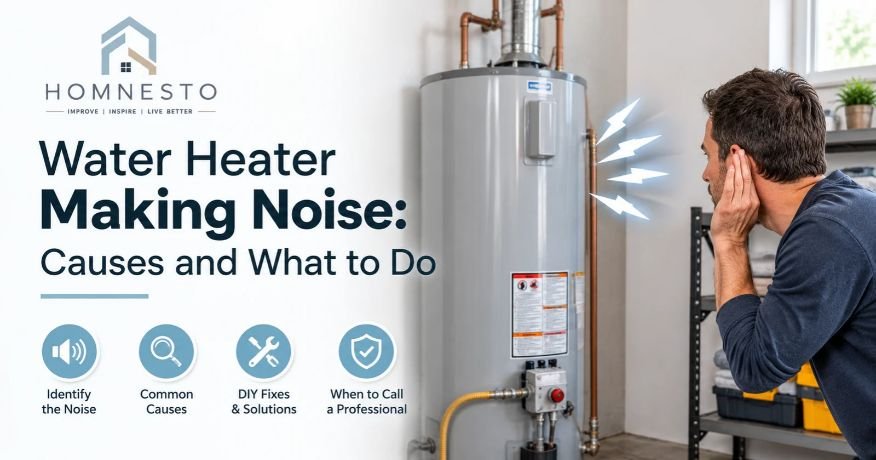

A water heater making noise can be doing something routine, such as expanding as it warms, or signaling sediment buildup, restricted flow, loose pipes, or a component problem. The sound, when it happens, and whether you notice leaks, odors, or changes in hot-water supply help narrow down the cause. This guide explains common water heater sounds, what you can safely check, and when to stop troubleshooting and call a professional. If the issue appears to involve the wider system rather than the heater itself, the home’s plumbing system includes connected supply, drainage, and fixture components. If you are asking “why is my water heater making noise,” start by matching the sound to when it happens. A hot water heater making noise can be responding to normal heating, sediment, pipe vibration, or a developing fault.
What Does Your Water Heater Noise Mean?
Different noises can point to different operating conditions, but no sound proves a single fault on its own. Note whether the noise comes from the tank, nearby pipes, a valve, or the wall, and whether it happens while heating or drawing water.
Popping or Crackling Noise
A water heater making popping noise or crackling sounds may have mineral sediment at the bottom of a tank-style unit. Water trapped beneath deposits can heat and release bubbles, creating a popping or crackling effect. Water heater popping noise may also relate to mineral scale or, on some models, other water-chemistry issues. If you notice a water heater making crackling noise repeatedly, check the manufacturer’s maintenance guidance and arrange service if flushing is unfamiliar or the noise persists. If you are searching how to fix popping noise in water heater, first confirm whether sediment is a likely cause; use only the model’s maintenance instructions and get help if you are unsure.
Rumbling Noise
Water heater making rumbling noise is often associated with sediment or mineral scale, particularly in tank-style heaters. A water heater rumbling sound may become more noticeable during a heating cycle, as water moves around deposits. However, rumbling can have other causes, so do not assume flushing will fix every noisy water heater. If the sound is loud, new, or accompanied by poor heating or leaks, have the unit inspected.
Knocking or Banging Noise
A water heater knocking sound may come from water hammer, loose pipes, or thermal expansion as hot plumbing changes temperature. Water heater knocking noise can also be transmitted from nearby pipes, making the source seem to be inside the tank. If water heater noise knocking happens when a tap or appliance valve closes, a plumber can check pressure and pipe supports. Repeated water heater banging noise, especially if unusually loud, deserves professional attention rather than forceful attempts to tighten internal parts. If the water heater is making a knocking noise, note whether it starts when a faucet or appliance valve closes; this can help distinguish pipe vibration from a knocking noise in water heater itself.
Hissing or Whistling Noise
A water heater making hissing noise may be releasing steam or water through a restricted opening, reacting to sediment on a heating element, or producing normal sounds associated with condensation, depending on the model. Water heater whistling or a water heater making a whistling noise can also point to restricted flow or a pressure-related issue. If you hear a hissing sound from water heater components along with visible moisture, a pressure-relief discharge, scorching, or an unusual smell, keep clear and contact a qualified professional. If you are asking why is my water heater hissing, the safest answer starts with the exact sound and any accompanying warning signs. If you are concerned about “is a hissing water heater dangerous,” treat persistent hissing with leaks, unusual heat, or a pressure-relief discharge as a reason to keep clear and call a professional.
Gurgling or Bubbling Noise
Water heater gurgling can result from water moving through the tank or plumbing, while a water heater gurgling noise or water heater bubbling noise may be linked to sediment, trapped air, or changing flow. A brief sound after heavy hot-water use may be less concerning than persistent bubbling or gurgling that grows louder. If the heater sounds like it is boiling, water temperature seems abnormal, or a pressure-relief valve is discharging, stop using the unit and get professional advice. If a tub is slow to empty, the drainage issue may be separate from the heater; bathtub drain buildup can cause gurgling near the fixture without indicating a heater fault.
Humming, Buzzing, or Clicking Noise
A water heater making humming noise may be vibrating against a surface or producing a normal operating sound from an electrical component, pump, or valve. Water heater humming noise and water heater making buzzing noise can also point to vibration, a loose cover, or an electrical issue that needs attention. Water heater clicking noise or a water heater clicking sound may occur as controls switch on and off, while water heater making ticking noise can come from pipes expanding and contracting. If buzzing is loud, new, or accompanied by a burning smell or tripped breaker, do not open the electrical compartment; arrange qualified service.
Dripping or Running Water Noise
A water heater sounds like running water may simply be refilling or moving water through connected pipes, but continuous flow when fixtures are off deserves a closer look. A water heater dripping sound can come from condensation, a loose connection, a drain valve, or a leak; a sound alone cannot confirm which one. If the water heater sounds like running water but no leak is visible, check the surrounding floor and connections without touching hot or electrical parts. A water heater making noise when water is off may also reflect a refill cycle, pressure changes, or a hidden leak. If the sound turns out to come from a fixture rather than the heater, a running toilet can create ongoing water movement even when no one is using it. If the sound turns out to come from a fixture rather than the heater, a running toilet can create ongoing water movement even when no one is using it. A slow fixture drain is a different symptom; sink drainage issues usually involve the drain path rather than the heater itself.
Beeping or Alarm Noise
If you are wondering why is my water heater beeping, check the display or indicator lights and the owner’s manual for the model-specific error code. Beeping can indicate a fault, an operating alert, or a maintenance reminder, depending on the system. Do not bypass an alarm or reset the unit repeatedly without understanding the message. If the display reports a combustion, overheating, leak, or electrical fault, follow the manufacturer’s safety instructions and contact a qualified technician.
Is a Noisy Water Heater Dangerous?
Some sounds are part of normal operation, while persistent or sudden changes can indicate a fault. To decide whether a noisy water heater is dangerous, consider the sound alongside the heater’s performance and any visible signs of damage.
Which Water Heater Noises May Be Normal?
Soft ticking as metal expands, occasional clicks from controls, and mild humming during operation may be normal for some models. Do water heaters make noise? Yes—heating, water movement, and components switching on can all create sound. If you are asking does a water heater make noise or should water heater make noise, the answer depends on the unit: a brief, familiar sound may be expected, but a new, persistent, or increasingly loud noise should be checked. The owner’s manual is the best reference for normal sounds specific to your model.
Warning Signs You Should Not Ignore
Arrange professional inspection if the noise is loud or persistent, hot water suddenly changes, the tank or nearby fittings leak, the unit repeatedly shuts down, or you notice a burning smell. A high-pitched water heater making high pitched noise, repeated banging, or a continuous hiss should not be ignored, especially when paired with abnormal pressure or temperature. If you smell gas, do not operate switches, light flames, or attempt repairs. Leave the area and contact the gas utility or emergency services from a safe location.
How to Fix a Noisy Water Heater
Start with low-risk checks around the unit rather than opening the heater or adjusting gas and electrical components. The appropriate fix depends on the source of the sound, and a repair that suits one model may be unsafe or ineffective on another.
Check for Loose or Vibrating Pipes
When the heater runs, listen from a safe distance to see whether the vibration comes from the tank or nearby plumbing. Pipes touching framing, cabinets, or one another can transmit sound as they warm or as water flow changes. You can visually check for loose pipe supports without moving hot pipes or dismantling fittings. If knocking occurs when a faucet or appliance valve closes, a plumber can assess water hammer, pressure, and pipe support.
Address Sediment Buildup When Appropriate
Sediment can contribute to popping, crackling, or rumbling in some tank-style heaters. Flushing may help in certain cases, but it is not a universal fix and can be unsafe if the unit is hot, pressurized, damaged, or unfamiliar to the homeowner. Follow the manufacturer’s draining and flushing instructions exactly, and arrange professional maintenance if you are unsure, the tank has heavy buildup, or the noise continues. Do not remove covers or work near heating elements, gas burners, or live electrical components.
Check the Manufacturer’s Instructions
Look up the model number and review the owner’s manual for normal operating sounds, error codes, maintenance intervals, and safe shutdown procedures. Different designs can produce different sounds, so generic advice may not apply to your unit. If a warning light or beeping accompanies the noise, use the model-specific guidance rather than repeatedly resetting the heater.
When to Call a Water Heater Professional
Call a qualified water-heater technician or plumber if the noise is persistent, the unit leaks, hot water becomes unreliable, a valve discharges, an alarm indicates a fault, or you suspect a gas or electrical problem. Do not attempt to repair a gas valve, burner, thermostat wiring, or pressure-relief device yourself. A professional can identify whether the cause is sediment, scale, pressure, a failed component, or normal vibration.
Why Does My Water Heater Make Noise at Certain Times?
When a sound occurs can help narrow down its cause. Note whether it begins after a shower, during heating, or after all taps are turned off, and share that pattern with the technician if the source is unclear.
When the Water Is Turned Off
If you hear the heater after faucets are closed, the unit may still be heating, refilling, or responding to pressure changes. A water heater making noise when water is off could also reflect a heat trap, pipe expansion, a valve, or a hidden leak. If the sound continues for a long time or you notice the water meter moving when all fixtures are off, investigate for a possible leak and contact a plumber. A small leak at a fixture can also produce intermittent dripping, and a loose faucet handle may need attention independently of the heater. A water heater expansion tank making noise can also point to pressure changes or a component that needs checking, so mention the timing and sound to the plumber.
After Taking a Shower
Water heater making noise after shower use may be related to the heating cycle restarting as the tank replenishes its hot-water supply. Pipes may also expand as temperatures change, and a tankless unit may make normal fan or burner sounds while recovering. If the sound is new, severe, or accompanied by inconsistent water temperature, check the manual and arrange service if it continues. If the main concern is the shower itself, low flow can have a separate cause; shower water pressure can help distinguish a fixture-side issue from a heater problem.
During the Heating Cycle
Does water heater make noise when heating? It can: burners, elements, water movement, and metal expansion may all create some sound. A sudden popping, loud rumbling, or high-pitched whistle during heating may indicate sediment, scale, or restricted flow. Timing is a useful clue, but the sound and any other symptoms still matter; do not assume that every heating-cycle noise is normal.
Do Gas, Electric, and Tankless Water Heaters Make Different Noises?
The unit’s design affects which sounds are expected and which components could be involved. Identify whether your system is gas-fired, electric, or tankless before using troubleshooting advice, and follow its own safety instructions.
Gas Water Heaters
A gas water heater making noise may produce soft ignition or burner sounds during normal operation, but rumbling, whistling, or repeated banging can signal a maintenance or flow issue. Never remove burner covers or adjust gas components to diagnose the noise. If you smell gas, leave immediately and contact the gas utility or emergency services from a safe location.
Electric Water Heaters
An electric water heater making noise may hum or click as controls and heating elements operate. Rumbling or sizzling can be associated with mineral scale or sediment around the elements. If the unit buzzes loudly, trips a breaker, smells burnt, or shows signs of overheating, do not open the electrical panel or touch wiring; switch off power only if you can do so safely and arrange professional service.
Tankless Water Heaters
Tankless water heater noise can include fan operation, ignition sounds, water movement, or clicks from controls. A new high-pitched whistle, loud vibration, error code, or abrupt change in flow may indicate restricted flow or a component issue. Consult the model’s manual, keep vents unobstructed, and use a qualified technician for internal maintenance or gas and electrical repairs.
FAQs
These quick answers cover common concerns, but a persistent or unusual noise should be assessed in the context of your specific unit and its operating instructions.
Is It Normal for a Water Heater to Make Noise?
Some sound is normal during heating, water movement, or metal expansion. If you are asking is it normal for a water heater to make noise, compare the sound with the owner’s manual and what the unit usually does. New, loud, persistent, or worsening noise deserves attention.
Why Did My Water Heater Suddenly Start Making Noise?
A sudden change can follow sediment buildup, altered water pressure, a loose pipe support, a new valve issue, or a component beginning to fail. Note the sound, when it occurs, and any changes in hot water, leaks, or error lights. If the cause is not obvious or warning signs appear, arrange a professional inspection.
Should I Turn Off a Noisy Water Heater?
Not every sound requires shutdown, but turn the unit off according to the manufacturer’s instructions if you notice a leak, burning smell, abnormal overheating, electrical symptoms, or a serious warning code—provided it is safe to do so. If you smell gas, leave the area instead of operating switches or approaching the unit. Contact a qualified professional for guidance.
Will a Noisy Water Heater Eventually Stop on Its Own?
A brief expansion tick or normal operating sound may stop when the heating cycle ends. Persistent rumbling, repeated popping, hissing, or banging is less likely to be resolved simply by waiting. Even if the noise stops, look for changes in performance or signs of leakage and seek help if the sound returns.
What Does a Bad Water Heater Sound Like?
There is no single sound that proves a water heater is failing. Loud or repeated banging, persistent rumbling, high-pitched whistling, continuous hissing, or a new electrical buzz can indicate a problem, especially when paired with leaks, temperature changes, or warning lights. The answer to what does a bad water heater sound like depends on the model and symptoms, so use the sound as a clue rather than a diagnosis.
Conclusion
A noisy water heater may be producing normal operating sounds, or it may be signaling sediment buildup, pressure changes, loose pipes, or a component fault. Pay attention to the type of sound, when it happens, and whether the unit leaks, smells unusual, or stops heating properly. Use the manufacturer’s instructions for safe checks, avoid gas and electrical repairs, and call a qualified professional for persistent noises or warning signs.