
Regular plumbing maintenance helps you catch leaks, notice changes in water pressure, reduce the chance of clogged drains, and identify small problems before they cause more disruption. A practical home plumbing maintenance routine does not require taking pipes apart: start with visual checks, pay attention to how fixtures work, clean drains carefully, and keep a simple plumbing maintenance checklist. Homeowners can handle basic observations and some minor upkeep, but persistent leaks, sewer-line concerns, and repairs involving specialized equipment are best assessed by a qualified plumber.
Why Is Regular Home Plumbing Maintenance Important?
Routine plumbing maintenance gives you a clearer picture of how your system is performing. It can help you notice changes early, though it cannot prevent every failure or replace professional inspections when they are needed.
Helps Identify Plumbing Leaks Early
A slow drip beneath a sink, a damp cabinet base, or unexplained moisture on a wall can be an early clue that a connection or fixture needs attention. Check visible pipe joints, faucet bases, toilet supply lines, and the area around the water heater. If you cannot identify the source or the moisture keeps returning, arrange a professional assessment.
Reduces the Risk of Clogged Drains and Pipe Problems
Keeping grease, wipes, hair, and food scraps out of drains reduces avoidable blockages. Pay attention when sinks or tubs begin draining more slowly than usual. One slow fixture may have a local clog, while several slow drains at once can point to a larger issue that needs investigation.
Helps Prevent Unexpected Plumbing Repairs
Small signs such as a a running toilet, loose faucet handle, or new pipe corrosion are easier to investigate before they develop into a more disruptive problem. Preventive maintenance is not a guarantee against emergency repairs, but regular checks help you respond sooner and give a plumber useful details about what changed.
Keeps Your Home’s Plumbing System Working Efficiently
Fixtures that operate correctly and pipes without leaks help limit unnecessary water waste. If your water bill rises unexpectedly, check for running toilets, dripping taps, outdoor hose connections, and other visible leaks. Browse practical plumbing advice and maintenance ideas in the plumbing category.
How to Maintain Home Plumbing Systems: 10 Essential Tips
1. Check Pipes and Visible Plumbing Connections for Leaks
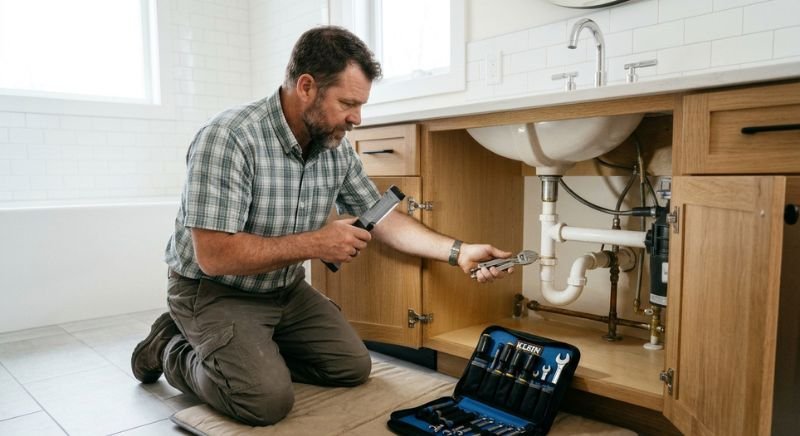
Look beneath sinks, around exposed pipe joints, near laundry connections, and around the water heater for drips, mineral deposits, rust, or damp surfaces. A sudden increase in your water bill can also be a clue. Do not tighten unfamiliar fittings aggressively or open walls to trace a leak; if water is actively escaping, shut off the relevant supply if safe and contact a plumber.
2. Inspect Faucets, Toilets, and Showerheads
Turn taps on and off, listen for persistent dripping, and check showerheads for stray sprays or mineral buildup. A toilet that refills by itself or runs between flushes may have a worn component or a leak. For a simple toilet leak check, add a few drops of food coloring to the tank and wait about 10 minutes without flushing; color appearing in the bowl suggests water is leaking past the seal. If a toilet keeps running, use this step-by-step guide to fixing a running toilet. For a dripping faucet, the handle or internal parts may need attention; see how to check a leaky faucet handle.
3. Clean Drains Safely and Prevent Clogs
Use drain strainers to catch hair and debris, and remove visible material from accessible stoppers. For a minor slow drain, a plunger or cleaning the stopper may help. Avoid mixing drain-cleaning chemicals or using them in a way that conflicts with the product label; chemical reactions can create dangerous splashes or fumes. If a blockage keeps returning, stop repeated DIY attempts and get professional help. For a slow sink, identify the likely cause with this advice on slow sink drains; for a bathtub, use a careful, chemical-free approach where appropriate, such as this guide to unclogging a bathtub drain.
4. Avoid Pouring Grease and Debris Down Drains
Let the cooking grease cool and place it in the trash rather than rinsing it into the sink. Scrape food scraps into the bin or compost, and keep wipes, cotton swabs, hygiene products, and paper towels out of toilets. Even products marketed as flushable may contribute to blockages in household plumbing or municipal sewer systems.
5. Check Water Pressure for Unusual Changes
Notice whether several fixtures suddenly have weaker flow, whether pressure fluctuates, or whether a faucet sputters. A clogged aerator can affect one fixture, while a home-wide change may have another cause, including a supply issue or pressure-regulating equipment. Do not adjust a pressure regulator without knowing how it works. If pressure changes persist, ask a plumber to test the system. If the shower is the main problem, investigate common causes of low shower water pressure.
6. Inspect Exposed Pipes for Corrosion or Damage
Look for flaking, discoloration, bulges, cracks, loose supports, or greenish and whitish deposits around exposed pipework. These signs do not always reveal the full condition of a pipe, but they are reasons to investigate. Do not scrape, cut, or dismantle a damaged pipe as a first step; photograph the area and arrange professional advice if corrosion or leakage is evident.
7. Maintain Your Water Heater According to the Manufacturer’s Instructions
Check the area around the unit for moisture, corrosion, unusual smells, or changes in performance. Follow the manual for your specific model and fuel type, and schedule professional servicing when recommended. Do not open gas components, work on live electrical parts, or operate valves you do not understand. If the heater starts popping, rumbling, hissing, or making another new sound, note when it happens and have it assessed; a noisy water heater may need professional attention.
8. Check Under Sinks for Moisture and Water Damage
Every so often, remove stored items and look at the cabinet floor, wall, supply hoses, drain trap, and connections. Watch for swollen wood, peeling material, musty odors, or dampness that returns after wiping. Avoid storing items where they press against pipes or hide a small leak. If you find standing water near electrical equipment, do not touch the equipment; keep clear and get appropriate help.
9. Locate Your Main Water Shutoff Valve
Find the main shutoff valve before an emergency and make sure household members know where it is. Its location varies by home and climate; it may be near where the water service enters the house, in a basement, utility area, garage, or meter box. If the valve is corroded, inaccessible, or difficult to operate, ask a plumber to inspect it rather than forcing it.
10. Schedule Professional Plumbing Inspections When Needed
A professional can investigate recurring leaks, persistent pressure changes, aging or corroded pipes, repeated clogs, and equipment concerns that a visual check cannot resolve. The right inspection frequency depends on the home’s age, pipe materials, water conditions, previous problems, and local requirements. A practical plumbing maintenance program should record issues, repairs, and recommended follow-up rather than relying on memory.
Home Plumbing Maintenance Checklist
Use this concise plumbing maintenance checklist for homeowners to keep track of routine observations. Adjust the timing to your home, equipment manuals, climate, and advice from a qualified plumber.
Monthly Plumbing Maintenance Tasks
- Look under sinks and around the water heater for new moisture, drips, or corrosion.
- Listen for running toilets and dripping faucets; note fixtures that behave differently.
- Check for unexpected changes in the water bill or water use.
- Make sure the main water shutoff valve is accessible and its location is known.
Seasonal Plumbing Maintenance Tasks
- Check outdoor faucets and hose connections when preparing for warm-weather use or colder conditions.
- Before freezing weather, protect vulnerable exposed pipes and disconnect garden hoses where applicable.
- After severe weather or a long absence, look for leaks, damp spots, or changes in water pressure.
Annual Plumbing Maintenance Tasks
- Inspect accessible pipes, fixtures, and visible supply connections more thoroughly.
- Check showerheads and faucet aerators for mineral buildup and clean them according to fixture instructions.
- Review water-heater maintenance requirements and arrange professional service if recommended.
- Consider a professional inspection if the home has aging plumbing, recurring issues, or unexplained water use.
This plumbing preventive maintenance checklist is a guide, not a universal schedule for every property. Homes with a history of leaks or older pipework may need more frequent checks. A suitable plumbing maintenance plan can note tasks, dates, findings, and follow-up; a plumbing preventative maintenance plan should be tailored to the home rather than copied blindly.
Seasonal Plumbing Maintenance Tips for Homeowners

Seasonal conditions can change how household plumbing is used and exposed. Useful plumbing tips for homeowners focus on outdoor connections, temperature changes, and checking for new issues after a weather event.
Plumbing Maintenance Tips for Summer
During periods of heavier outdoor water use, inspect hose bibbs, hose washers, irrigation connections, and visible outdoor piping for drips or spray where it should not be. Look for unusually wet patches in the yard, while remembering that irrigation and weather can also affect soil moisture. These plumbing tips for summer can help you spot a problem, but underground leaks may need professional testing.
Check Outdoor Faucets Before and After Seasonal Weather Changes
Before using outdoor faucets regularly, check that handles turn normally and connections do not leak. When the season changes, disconnect hoses before freezing conditions and look for cracks or drips when outdoor fixtures are brought back into use. If a faucet or pipe appears damaged, do not keep using it until it has been checked.
Prepare Plumbing Pipes for Freezing Weather
In regions where temperatures fall below freezing, insulate vulnerable exposed pipes, seal drafts near pipe openings, and know how to shut off the water if a pipe bursts. Disconnect and drain outdoor hoses, and follow local winterization guidance for irrigation systems. If you suspect a pipe has frozen, avoid open flames and review this guide to safely unfreezing pipes.
Check for Leaks After Seasonal Weather Changes
After a hard freeze, heavy storm, or long period away from home, inspect visible pipes, ceilings below bathrooms, cabinets, and utility areas. A new stain or damp patch deserves attention even if no water is actively dripping. If you suspect a hidden leak or see damage near electrical equipment, avoid the affected area and contact the appropriate professional.
How to Maintain Your Home’s Main Sewer Line
Sewer-line maintenance is different from routine fixture care. Homeowners can watch for warning signs, but diagnosing a buried or blocked main line may require professional tools and experience. If you search for how to maintain main sewer line systems, focus on safe prevention and knowing when to seek assessment rather than attempting invasive work.
Watch for Signs of a Main Sewer Line Problem
Repeated clogs, several slow drains, sewage backing up through a low fixture, or persistent unusual drain odors can indicate a problem in the drain system. These symptoms do not prove that the main sewer line has failed; a local blockage or venting issue may cause similar signs. Note which fixtures are affected and whether the symptoms happen together.
When to Hire a Professional for Sewer Line Maintenance
Contact a licensed plumber when multiple fixtures back up, clogs return soon after clearing, sewage enters the home, or the source of a persistent odor is unclear. A professional can decide whether a camera inspection or other testing is warranted. Do not open a sewer cleanout or attempt invasive sewer system maintenance without the right training and protective equipment.
Which Plumbing Maintenance Tasks Can You Do Yourself, and When Do You Need a Plumber?

Good plumbing management tips start with knowing the limits of a visual check. Routine observations help you spot changes, but they are not a substitute for diagnosing hidden leaks, pressure problems, or damaged pipework.
Simple Plumbing Checks Homeowners Can Perform
Most homeowners can look for visible leaks, keep drains clear of everyday debris, clean faucet aerators according to fixture instructions, observe toilet behavior, and record changes in pressure or water use. These plumbing tips do not require taking apart supply lines or handling gas and electrical components. If you are unsure how to perform a task safely, leave it alone.
Plumbing Problems That Require Professional Help
Call a qualified plumber for persistent or hidden leaks, repeated drain blockages, suspected sewer-line problems, damaged or heavily corroded pipes, major pressure changes, and water-heater faults. The principle that plumbing system maintenance should always be left to professional plumbers is too broad for every simple visual check, but complex repairs and work beyond your skill level should be handled by a professional.
Plumbing Safety Tips for Homeowners
Know the location of the main shutoff, keep children away from standing water and tools, follow product labels, and never mix drain chemicals. Do not touch wet electrical equipment or attempt repairs near energized components. For anyone thinking about keeping my family safe while dealing with household plumbing issues, the safest approach is to stop when a task involves uncertainty, contamination, gas, electricity, or water that may cause further damage.
If you need a starting point for identifying common household plumbing symptoms, consult this home plumbing troubleshooting guide. When searching for best plumbing maintenance for homes, tips plumbing, plumbing preventative tips, or a single plumbing tip, prioritize simple checks you can perform safely and get expert help when warning signs persist.
For many households, yearly plumbing maintenance and annual plumbing maintenance can be planned together. Keeping notes on regular plumbing maintenance, house plumbing maintenance, and pipework maintenance helps you track recurring concerns. The best plumbing maintenance for homes depends on age, materials, water conditions, and past repairs; a sensible approach combines plumbing preventive maintenance with plumbing preventative maintenance where the term appears in a service plan. Homeowners may also look for a plumbing maintenance plan or plumbing preventative maintenance plan that clearly explains included tasks and exclusions.
FAQs About Home Plumbing Maintenance
How Often Should You Maintain Your Home Plumbing System?
Do quick visual checks monthly, review outdoor fixtures seasonally, and perform a more thorough inspection of accessible fixtures and pipes at least annually. Equipment such as water heaters may have its own service schedule, so follow the manufacturer’s instructions and any advice specific to your home.
What Does a Plumbing Maintenance Checklist Include?
A useful plumbing checklist includes checks for visible leaks, running toilets, dripping faucets, moisture under sinks, exposed-pipe damage, unusual pressure changes, outdoor connections, and water-heater concerns. It should also record problems and when professional follow-up is needed.
What Is Included in Routine Plumbing Maintenance?
Routine plumbing maintenance usually involves observing fixtures and exposed pipes, checking for leaks, cleaning accessible aerators and drain stoppers, watching water pressure and usage, and following equipment maintenance instructions. The exact tasks depend on the property and plumbing installed.
Can Homeowners Perform Plumbing Maintenance Themselves?
Yes. Homeowners can usually perform basic visual checks and simple upkeep, such as removing visible debris from a drain stopper or checking a toilet for a silent leak. Complex repairs, persistent problems, and work involving gas, electricity, sewage, or specialized equipment should go to a qualified professional.
How Often Should You Schedule a Professional Plumbing Inspection?
There is no single interval that suits every home. Consider a professional inspection when buying an older property, after recurring plumbing problems, when pipes show corrosion, or when a plumber recommends a follow-up schedule. Age, pipe material, local conditions, and repair history all affect what is appropriate.
Conclusion
Consistent home plumbing maintenance is about noticing changes and acting on them safely. Use a monthly and seasonal checklist, keep grease and debris out of drains, check exposed pipes and fixtures, and follow the instructions for your water heater and other equipment. A few regular observations can help you catch warning signs early, while a qualified plumber can diagnose persistent or complex issues before you risk making them worse. A useful approach to plumbing maintenance is to make the plumbing preventive maintenance checklist part of a broader routine rather than wait for a failure.