
Plumbing problems rarely start with a dramatic burst pipe. More often, they begin with a dripping faucet, slow drain, weak water flow, or toilet that will not stop running. These small signs can be easy to ignore, but they may point to larger issues inside your plumbing system.
Learning basic home plumbing troubleshooting can help you identify what is happening before calling a plumber. You can often find the likely cause by checking the affected fixture, water flow, visible pipes, and connections. Simple problems may also be safe to fix with basic tools and careful steps.
This plumbing troubleshooting guide explains common plumbing problems and practical ways to investigate them. You will learn how to check toilets, drains, faucets, water pressure, leaks, water heaters, and sewer odors.
You will also find plumbing maintenance tips to help prevent recurring problems. However, not every repair is suitable for DIY work. Serious leaks, sewer problems, burst pipes, and dangerous system faults need professional attention.
How to Troubleshoot Plumbing Problems at Home
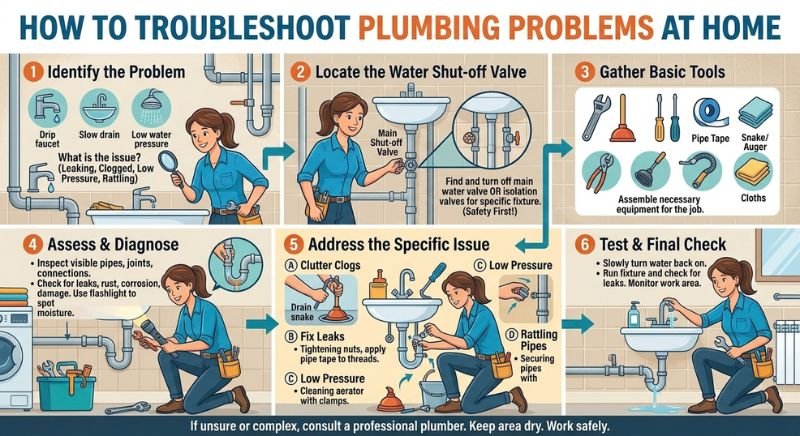
Good troubleshooting starts with observation. Before taking anything apart, identify what changed and where the problem appears.
A fixture that suddenly loses water pressure needs a different approach from a pipe that is actively leaking. Follow the symptoms first, then narrow down the possible cause.
Identify the Problem and Its Symptoms
Start by describing the problem as clearly as possible. Ask yourself when it started, where it happens, and whether it affects one fixture or the whole house.
For example, a slow sink drain points toward a local drain problem. Low pressure throughout the house may involve the main supply, shutoff valve, or another part of the system.
Look for related signs of plumbing problems, including unusual sounds, damp spots, odors, stains, changing water pressure, or unexplained water use.
Check for Visible Water Leaks
Look around faucets, toilets, sinks, exposed pipes, and appliance connections. Even a small amount of moisture can indicate a developing leak.
Check cabinets beneath sinks and the floor around toilets. Also inspect visible water supply pipes for dripping, corrosion, or wet areas.
Do not ignore water stains on walls or ceilings. Water can travel from the original source, making the visible stain appear away from the actual leak.
Check Water Flow and Pressure
Turn on different fixtures and compare their water flow. If only one fixture has weak flow, the issue may be local.
If several fixtures suddenly have low pressure, investigate the wider plumbing system. Check whether the main water shutoff valve is fully open and whether nearby fixtures show the same symptom.
Sudden changes deserve more attention than a gradual reduction caused by mineral buildup or aging fixtures.
Inspect Fixtures, Pipes, and Connections
Look at faucets, showerheads, toilets, visible pipes, and connections. Check for moisture, corrosion, mineral buildup, loose fittings, or damaged components.
Under sinks, inspect the supply lines and P-trap. Around appliances, check hoses and connection points for signs of leaking.
These basic checks can reveal many common plumbing issues without requiring you to dismantle the system.
Locate the Main Water Shutoff Valve
Every homeowner should know where the main water shutoff valve is located. It controls the main water supply entering the home.
Knowing its location can make a major difference during a plumbing emergency. A rapidly leaking pipe can cause serious water damage if the water continues flowing.
Test the valve carefully if you are unsure how it operates. If it is stuck or difficult to turn, consider having a plumber inspect it before an emergency occurs.
Know When to Stop DIY Troubleshooting
DIY troubleshooting has limits. Stop if water is spreading quickly, a pipe has burst, sewage is backing up, or you suspect a major hidden leak.
Do not experiment with complex plumbing systems simply because the problem looks familiar. Opening the wrong connection can make a leak worse.
Basic plumbing safety tips include shutting off water when appropriate, using the correct tools, protecting yourself from contaminated water, and knowing when professional help is necessary.
Common Toilet Problems and Troubleshooting
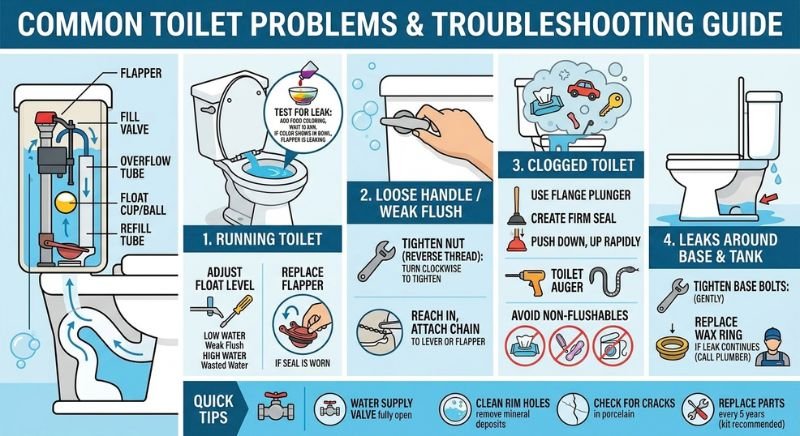
Toilets are among the most frequently encountered home plumbing problems. Many issues involve simple components inside the tank, but some symptoms can indicate a drain or sewer problem.
Running Toilet
A running toilet may continue filling after you flush or make a constant sound between uses. Common causes include a worn flapper, faulty fill valve, or incorrect water level.
First, remove the tank lid and observe what happens after flushing. Check whether the flapper closes completely and whether water continues entering the tank.
If your toilet won’t stop running, follow the detailed guide on fix a running toilet for step-by-step troubleshooting.
Gurgling Toilet
A toilet gurgling after flushing or when another fixture drains can indicate a drainage or venting problem. It may also occur when air is moving through the drain system.
Pay attention if the toilet also drains slowly, bubbles, or backs up. These symptoms can point toward a more significant blockage.
For a detailed explanation, see Why Is My Toilet Making a Gurgling Sound.
Other Toilet Warning Signs
Watch for recurring clogs, weak flushing, water around the toilet base, unusual odors, or changes in the water level.
A toilet that repeatedly needs plunging may have an underlying drainage problem. Water around the base can also indicate a seal or connection issue.
Do not treat recurring symptoms as normal toilet behavior. They can provide useful clues during plumbing troubleshooting.
When a Toilet Problem Needs Professional Help
Call a professional if the toilet repeatedly backs up, multiple fixtures drain slowly, sewage appears, or you suspect a sewer-line problem.
Professional help is also appropriate when water is leaking into flooring or when a toilet cannot be safely repaired with basic maintenance.
Slow and Clogged Drains
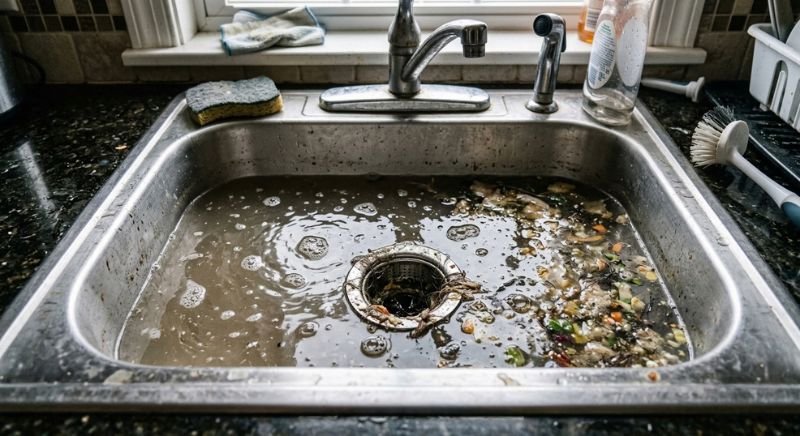
A clogged drain usually develops from material collecting inside the drain or pipe. Hair, food particles, grease, soap residue, and other debris can restrict water flow.
A slow drain is often an early warning. Addressing it early can reduce the chance of a complete blockage.
Slow Sink Drain
A slow sink drain can result from buildup inside the drain or P-trap. Bathroom sinks often collect hair and soap residue, while kitchen sinks can collect food particles and grease.
Notice whether the problem affects only one sink or several drains. One slow fixture usually points toward a local problem.
For targeted troubleshooting, see why does my Sink Drain Slowly.
Clogged Bathtub Drain
A bathtub that drains slowly may have hair and soap buildup near the drain opening. Over time, this material can restrict the flow of water.
Remove visible debris first and use an appropriate drain-cleaning method. Avoid mixing chemical drain cleaners because dangerous reactions can occur.
If your bathtub won’t drain, follow how to Unclog a Bathtub Drain without chemicals.
Clogged Kitchen Sink
Kitchen drains can collect grease, food particles, and other debris. Pouring grease down the drain can allow it to cool and stick inside the pipes.
A plunger may help with some blockages, but the right method depends on the sink design and type of clog.
For practical instructions, see How to Unclog a Kitchen Sink Without a Plunger.
Why Drains Keep Getting Clogged
Recurring clogs often have a repeated cause. Hair, grease, food waste, soap residue, or objects entering the drain can create ongoing buildup.
Old or damaged drain pipes may also contribute to recurring problems. If multiple drains repeatedly clog, the issue may extend beyond one fixture.
This is where home plumbing maintenance becomes important. Prevention works better when you understand what is causing the blockage.
How to Prevent Recurring Drain Problems
Use drain screens where appropriate and remove hair and debris before they enter bathroom drains. Keep grease, oils, and large food particles out of kitchen drains.
Do not use excessive amounts of products that can leave residue inside drains. Regularly clean accessible drain components and respond to slow drainage early.
These simple habits can help prevent clogged drains and reduce recurring household plumbing problems.
Faucet and Shower Problems
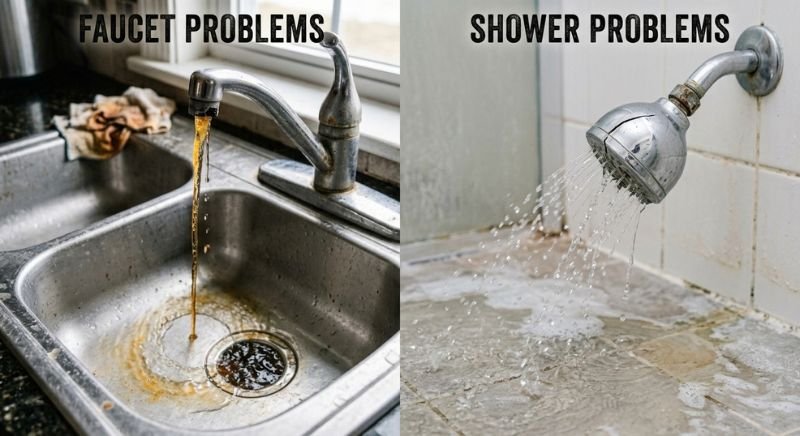
Faucets and showers can develop leaks, mineral buildup, and reduced water flow. These problems are usually easy to spot because they affect fixtures you use every day.
Leaking Faucet Handle
A leaky faucet handle may point to a worn cartridge, valve, seal, or connection. Water may appear around the handle instead of the spout.
Turn off the appropriate water supply before attempting a repair. Identify your faucet type and use the manufacturer’s instructions when replacing internal parts.
For detailed steps, see how to fix a Leaky Faucet Handle.
Dripping Showerhead
A dripping showerhead can result from mineral buildup, a worn seal, or a valve that is not fully shutting off.
First, determine whether water is coming from the showerhead itself or from the connection. Mineral deposits can sometimes restrict or affect the fixture.
For troubleshooting steps, see how to fix a Dripping Showerhead.
Low Shower Water Pressure
Low shower water pressure may come from a clogged showerhead, partially closed valve, mineral buildup, or a wider pressure issue.
Compare the shower with other fixtures. If only the shower has weak flow, focus on the showerhead and local connections.
For a detailed troubleshooting process, see why is my Shower Water Pressure Low.
What to Check When a Fixture Has Low Water Flow
Start by checking the fixture’s aerator or showerhead for mineral buildup. Confirm that its shutoff valve is fully open if one is accessible.
Then compare its flow with other fixtures. This helps determine whether you have a local fixture problem or a broader water pressure issue.
Sudden changes should receive more attention than a gradual reduction caused by buildup or aging components.
Low Water Pressure Throughout the House
Low water pressure becomes more concerning when it affects several fixtures. A whole-house problem can involve the main supply, shutoff valve, plumbing pipes, or other system components.
Low Water Pressure in One Fixture vs. the Whole House
If one faucet or shower has weak flow, start with that fixture. Clean its aerator or showerhead and check its accessible connections.
If several fixtures have low pressure, check whether the change happened suddenly. Ask whether nearby plumbing work or a water supply interruption occurred.
This comparison is one of the simplest steps in home plumbing troubleshooting.
Common Causes of Low Water Pressure
Possible causes include partially closed valves, mineral buildup, damaged pipes, supply problems, or issues affecting the home’s water service.
Older homes may also have aging pipes that restrict water flow. A sudden pressure change can point to a different issue than a gradual decline.
Avoid adjusting pressure-control equipment unless you understand the system. Incorrect changes can create additional plumbing problems.
How to Increase Water Pressure in an Old House
Older plumbing systems may experience reduced flow because of mineral buildup, aging pipes, or outdated components. The solution depends on the actual cause.
Start by checking individual fixtures and accessible valves. If the entire house has low pressure, a professional inspection can help identify restrictions within the system.
For a more detailed approach, see How to Increase Water Pressure in an Old House.
When Low Water Pressure Needs Professional Attention
Call a plumber when pressure drops suddenly throughout the house, multiple fixtures are affected, or the problem continues after basic checks.
Professional evaluation is especially important if low pressure occurs alongside leaks, unusual noises, discoloration, or other changes in the plumbing system.
How to Find and Troubleshoot Water Leaks
Plumbing leaks can waste water and damage walls, floors, cabinets, and other materials. Some are easy to see, while others remain hidden for long periods.
Signs of a Hidden Water Leak
A hidden water leak may cause damp spots, peeling paint, mold growth, musty odors, warped materials, or unexplained increases in water use.
Listen for water sounds when fixtures are off. Also watch your water bill for changes that cannot be explained by normal use.
For more warning signs, read Signs You Have a Hidden Water Leak.
How to Check for Plumbing Leaks
Start with visible fixtures and connections. Check beneath sinks, around toilets, near appliances, and along accessible pipes.
You can also monitor your water meter when no one is using water. If the meter continues showing water use, there may be a leak somewhere in the system.
More advanced water leak detection may require specialized equipment, especially when the leak is behind walls or beneath floors.
Leaking Pipe Under the Sink
A leaking pipe under the sink can come from a loose connection, damaged washer, P-trap, or supply line.
Place a container under the area to protect the cabinet and floor. If appropriate, shut off the local water supply before inspecting the connection.
For step-by-step guidance, see How to Fix a Leaking Pipe Under the Sink.
Washing Machine Leaks
A washing machine may leak from its supply hoses, drain connection, door seal, or another component.
Check where the water first appears rather than assuming the machine itself is damaged. Inspect accessible hoses and connections for moisture or visible damage.
If your machine is leaking, see Why Does My Washing Machine Leak Water.
What to Do When You Find a Water Leak
Stop the water source when you can safely identify it. For a serious leak, use the main water shutoff valve if necessary.
Protect nearby belongings and clean standing water when safe. Then determine whether the problem is a simple fixture issue or requires professional repair.
Do not ignore recurring moisture. Even a small leak can cause hidden damage over time.
Water Heater Problems and Warning Signs
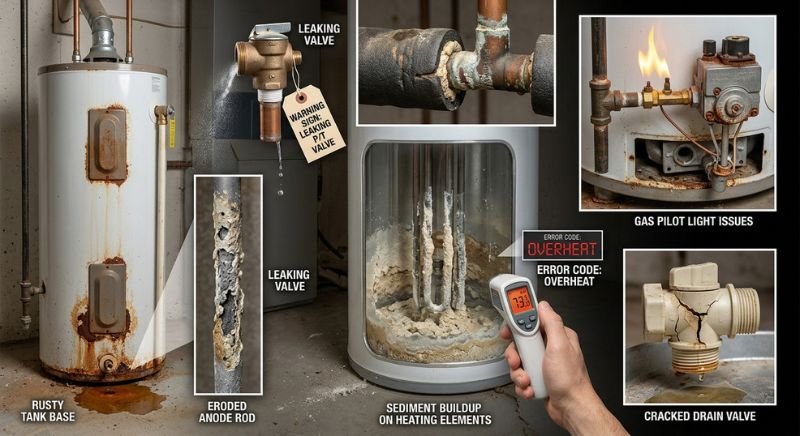
Water heater problems can affect comfort, energy use, and water safety. Some symptoms are simple maintenance concerns, while others require professional diagnosis.
Signs Your Water Heater May Be Failing
Watch for inconsistent hot water, leaks, unusual noises, rusty-looking water, or changes in heating performance.
The age and condition of the unit also matter, but symptoms provide useful clues. Do not wait for complete failure if the water heater shows multiple warning signs.
For more information, see Signs Your Water Heater Is About to Fail.
Unusual Water Heater Noises
A water heater making noise may produce popping, rumbling, banging, or other unusual sounds. Sediment buildup can contribute to some noises, but the exact cause depends on the equipment.
Do not open or modify components you are not trained to service. Follow the manufacturer’s maintenance instructions.
For detailed troubleshooting, see Why Is My Water Heater Making Noise.
Other Water Heater Warning Signs
A water heater leaking around its tank or connections needs attention. You should also investigate inconsistent temperature, rusty water, or a sudden loss of hot water.
If you have no hot water, check the basic controls only as recommended by the manufacturer. Do not attempt gas or electrical repairs without appropriate training.
When a Water Heater Problem Needs Professional Help
Call a qualified professional for gas-related issues, electrical faults, tank leaks, pressure problems, or major internal failures.
If water is actively leaking from the tank, shut off the water supply if it is safe to do so and seek professional help.
Unusual Plumbing and Sewer Smells
Unusual odors can be another warning sign. A persistent sewer smell should not be treated as a normal household odor.
Bathroom Smells Like Sewage
If your bathroom smells like sewage, the cause may involve a dry trap, drain buildup, venting issue, or another plumbing problem.
Check whether the odor comes from one fixture or the entire bathroom. Persistent or strong sewage odors deserve professional attention.
For more troubleshooting information, see Why Does My Bathroom Smell Like Sewage.
Common Causes of Sewer and Drain Odors
Dry P-traps can allow sewer gases to enter a home. Drain buildup can also create unpleasant odors.
Problems with plumbing vents, sewer connections, or damaged pipes can cause more serious smells. The location and persistence of the odor can provide useful clues.
When a Sewer Smell May Indicate a Serious Problem
A strong or recurring sewer odor may indicate a problem with the drain system, plumbing vents, or sewer line.
If the smell affects several areas, continues after basic checks, or occurs with slow drains and backups, contact a professional plumber.
Why is My Water Bill Suddenly So High?
A sudden increase in your water bill can have several causes. Changes in household use are one possibility, but an unnoticed leak can also waste a significant amount of water.
Common Causes of High Water Usage
Higher usage may result from more laundry, outdoor watering, frequent showers, guests, or other changes in household habits.
However, running toilets, dripping faucets, irrigation leaks, and other plumbing problems can also increase consumption.
Compare recent use with previous bills and look for changes that cannot be explained by normal activity.
Could a Hidden Leak Be Increasing Your Water Bill?
Yes, a hidden leak can contribute to unexplained water use. Toilet leaks can be especially difficult to notice because water may flow silently.
Check fixtures, exposed pipes, and the water meter when no water is being used. For additional warning signs, see Signs You Have a Hidden Water Leak.
How to Check Your Home for Excessive Water Usage
Start by comparing your recent bills with previous months. Consider whether your household’s water use changed during that period.
Next, check toilets, faucets, appliances, and accessible plumbing connections. If possible, monitor your water meter when all fixtures are off.
If unexplained usage continues, professional water leak detection may be necessary.
When a High Water Bill Needs Investigation
A sudden or repeated increase deserves attention when your normal water habits have not changed.
Investigate especially when the higher bill appears alongside damp spots, running toilets, dripping fixtures, or unexplained water sounds.
How to Prevent Common Plumbing Problems
Good plumbing maintenance can reduce many preventable problems. You can also use a seasonal home maintenance checklist to keep up with routine plumbing and other household maintenance tasks.
How to Prevent Frozen Pipes
During freezing weather, protect exposed pipes and maintain suitable indoor temperatures. Open cabinets around vulnerable plumbing when appropriate to allow warmer air to circulate.
Know where your main shutoff valve is located before freezing weather arrives.
For detailed prevention steps, see How to Prevent Frozen Pipes.
How to Prevent Clogged Drains
Keep hair, food waste, grease, and other debris out of drains. Use suitable screens where they can catch debris before it enters the pipes.
Avoid pouring cooking grease into kitchen drains. Address slow drainage before it becomes a complete blockage.
These habits can help prevent clogged drains and reduce the need for repeated drain repairs.
How to Prevent Plumbing Leaks
Inspect visible connections and fixtures regularly. Replace worn components when needed and avoid overtightening connections.
Watch for corrosion, moisture, stains, and changes in water use. These are useful signs that can help you prevent pipe leaks before they cause significant damage.
How to Prevent Water Damage
Respond quickly to leaks and keep water away from vulnerable cabinets, flooring, walls, and other materials.
Know the location of the main water shutoff valve. Regular inspections can also help prevent water leaks from going unnoticed.
Simple Plumbing Maintenance Tips
A practical plumbing maintenance checklist can include checking faucets, toilets, exposed pipes, drains, water pressure, and water heater areas.
Clean fixtures when mineral buildup affects water flow. Keep drains free from inappropriate materials and inspect accessible connections regularly.
These simple plumbing maintenance tips can become part of your regular home plumbing maintenance routine.
Home Plumbing Troubleshooting Checklist
Use this quick checklist when investigating common residential plumbing problems:
Check Toilets and Fixtures
- Check for running toilets
- Look for leaks around toilet bases
- Check faucets for dripping
- Inspect showerheads
- Watch for unusual toilet sounds
Check Sinks, Drains, and Showerheads
- Look for slow drainage
- Check sink P-traps
- Remove visible drain debris
- Inspect showerheads for buildup
- Watch for recurring clogs
Check Exposed Pipes and Connections
- Look for moisture
- Check under sinks
- Inspect appliance connections
- Watch for corrosion
- Look for water stains
Check Water Pressure
- Compare different fixtures
- Check whether pressure changed suddenly
- Inspect accessible valves
- Clean affected aerators or showerheads
Check the Water Heater
- Look for leaks
- Listen for unusual noises
- Check for changes in hot waterReview manufacturer maintenance guidance
Look for Signs of Hidden Leaks
- Check for damp spots
- Watch for musty odors
- Look for peeling paint or warped materials
- Monitor unexplained water use
- Check your water meter when appropriate
When Is a Plumbing Problem an Emergency?
Not every plumbing issue requires immediate emergency service. However, some situations can cause major damage quickly and need prompt action.
Burst or Rapidly Leaking Pipes
A burst pipe can release large amounts of water in a short time. If water is spreading quickly, shut off the main water supply if you can do so safely.
Move belongings away from the affected area when possible and contact a professional plumber.
Major Water Leaks
A major leak can damage floors, walls, cabinets, and other parts of the home.
Do not spend time attempting a complex repair while water continues spreading. Stop the water source when safe and seek professional help.
Sewage Backup
Sewage backup creates sanitation concerns and should not be handled like an ordinary clogged drain.
Avoid contact with contaminated water and keep people and pets away from the affected area. Contact a qualified professional for proper cleanup and repair.
No Water Throughout the House
If there is no water throughout the home, first determine whether the issue affects your property alone.
Check the main water shutoff valve and consider whether there is a known local water supply interruption. If the problem is limited to your home and cannot be explained by a closed valve, professional diagnosis may be necessary.
When to Shut Off the Main Water Supply
Use the main water supply shutoff when a major leak cannot be stopped locally or when water is causing immediate damage.
Every homeowner should know where this valve is before an emergency happens. If the valve is difficult to operate, have it checked during routine maintenance.
When Should You Call a Professional Plumber?
Basic home plumbing repair can be suitable for homeowners when the issue is simple and clearly understood. However, complex problems require professional tools, training, and diagnosis.
Plumbing Problems You Should Not DIY
Avoid DIY work involving major sewer lines, burst pipes, hidden leaks, extensive pipe replacement, gas water heaters, or complex system failures.
You should also avoid repairs that require specialized equipment or involve contaminated water.
Signs of a Serious Plumbing Issue
Watch for recurring backups, multiple slow drains, sudden whole-house pressure loss, sewage odors, major leaks, or unexplained water usage.
These symptoms can indicate problems deeper within the plumbing system rather than a single fixture.
Situations That Require Professional Diagnosis
Professional diagnosis is appropriate when basic troubleshooting does not identify the cause or when the problem keeps returning.
A plumber can inspect hidden pipes, sewer lines, water heaters, and other components that are not safely accessible to most homeowners.
Knowing when to call is an important part of responsible plumbing repair.
Home Plumbing Troubleshooting FAQs
What Are the Most Common Plumbing Problems in a Home?
Common plumbing problems include running toilets, clogged drains, leaky faucets, dripping showerheads, low water pressure, leaking pipes, and water heater problems.
Some are simple fixture issues, while others can indicate larger residential plumbing problems.
How Do I Troubleshoot a Plumbing Problem?
Start by identifying the symptoms and location. Check visible leaks, fixtures, pipes, connections, water pressure, and accessible shutoff valves.
Then determine whether the problem affects one fixture or the whole house. This process can help narrow down the likely cause before attempting basic plumbing repairs.
How Do I Find a Water Leak in My House?
Start with faucets, toilets, sinks, appliances, and exposed pipes. Look for moisture, stains, damp materials, or unusual water sounds.
You can also monitor the water meter when no fixtures are being used. Continued water movement may indicate a leak.
Why Is My Water Pressure Suddenly Low?
Sudden low pressure can result from a partially closed valve, supply issue, damaged pipe, mineral buildup, or another plumbing problem.
If only one fixture is affected, inspect that fixture first. If the entire house has low pressure, professional diagnosis may be necessary.
Why Does My Toilet Keep Running?
A toilet may keep running because of a worn flapper, faulty fill valve, incorrect water level, or another tank component.
Observe the tank after flushing to identify where water continues flowing. For detailed help, follow the guide on fix a running toilet.
Why Do My Drains Keep Getting Clogged?
Recurring clogs can result from hair, grease, food particles, soap residue, or unsuitable materials entering the drain.
If several drains keep clogging, the problem may involve a larger blockage or drainage issue. Professional inspection may be needed.
Why Is My Water Bill Suddenly So High?
A high water bill can result from increased household use or an unnoticed plumbing leak. Running toilets, dripping fixtures, and hidden leaks can all contribute.
Compare your recent usage with previous bills and inspect your home for signs of water loss.
When Should I Call a Plumber?
Call a plumber when you have a burst pipe, major leak, sewage backup, hidden leak, recurring drainage problem, whole-house pressure loss, or a repair beyond your skill level.
Professional help is also appropriate when basic troubleshooting cannot identify the cause or when continuing could create safety or property risks.