


A kitchen does not need a complete renovation to feel cleaner, more useful, and more attractive. Small changes to storage, lighting, cabinets, fixtures, and surfaces can improve how your kitchen looks and works every day. Regular maintenance also helps prevent expensive repairs and keeps essential kitchen features in good condition.
This kitchen home improvement guide explains how to plan practical improvements, manage kitchen repairs, organize limited space, and choose useful upgrades. You will find ideas for different budgets, including affordable kitchen improvements and renter-friendly changes.
Whether you want a simple kitchen refresh or a larger transformation, the right order matters. Start with safety and repairs, improve function next, and then focus on design. This approach helps you make meaningful kitchen improvements without spending money on changes you do not need.
How to Plan a Kitchen Home Improvement Project
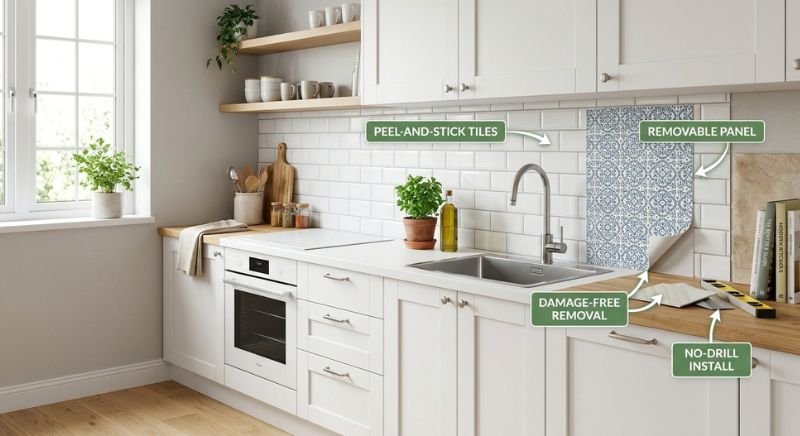
A successful kitchen improvement project starts with a clear plan. Before buying new materials or changing your kitchen design, understand the problems you want to solve.
Planning helps you control costs, avoid unnecessary work, and choose improvements that support your daily routine.
Assess Your Kitchen’s Current Problems and Needs
Walk through your kitchen and identify what is not working well. Look for damaged cabinets, poor lighting, limited storage, leaking fixtures, stained surfaces, and inefficient layouts.
Consider how you use the kitchen every day. Do you need more counter space, better pantry organization, easier cleaning, or improved lighting?
Separate urgent problems from cosmetic concerns. Water leaks, damaged electrical components, and unsafe surfaces should receive attention before decorative updates.
Set a Kitchen Improvement Budget
Create a realistic budget before starting your project. Include the cost of materials, tools, delivery, professional labor, and unexpected repairs.
Divide your budget into essential work and optional improvements. For example, repairing a leaking sink may be more important than replacing cabinet handles.
Keep some money aside for unexpected costs. Older kitchens may have hidden plumbing, electrical, or structural problems that become visible during repairs.
Decide Between Repairs, Upgrades, and Renovation
A repair restores something that is damaged or not working correctly. An upgrade improves an existing feature without necessarily changing the entire kitchen.
A renovation usually involves more extensive work, such as changing the kitchen layout, replacing cabinets, updating flooring, or moving plumbing and electrical connections.
Choose the right approach based on your kitchen’s condition, your budget, and your long-term plans. Not every outdated feature requires a complete replacement.
Prioritize Improvements That Make the Biggest Difference
Focus on changes that improve safety, function, storage, and everyday comfort. Better lighting, organized cabinets, repaired fixtures, and improved work surfaces can make a kitchen easier to use.
Prioritize problems that affect daily tasks. A poorly working drawer or insufficient countertop space may create more frustration than an outdated color.
Think about the long-term benefit of each improvement rather than choosing changes only because they are popular.
Plan Kitchen Improvements in the Right Order
A practical order can prevent rework and unnecessary expenses.
- Address safety concerns and serious repairs.
- Check plumbing, electrical systems, and ventilation.
- Improve the kitchen layout and storage.
- Repair or update cabinets and countertops.
- Complete backsplash, lighting, and decorative work.
- Clean, organize, and review the finished space.
This order may change depending on your project. However, completing messy or structural work before cosmetic improvements usually saves time.
Kitchen Storage and Organization Improvements
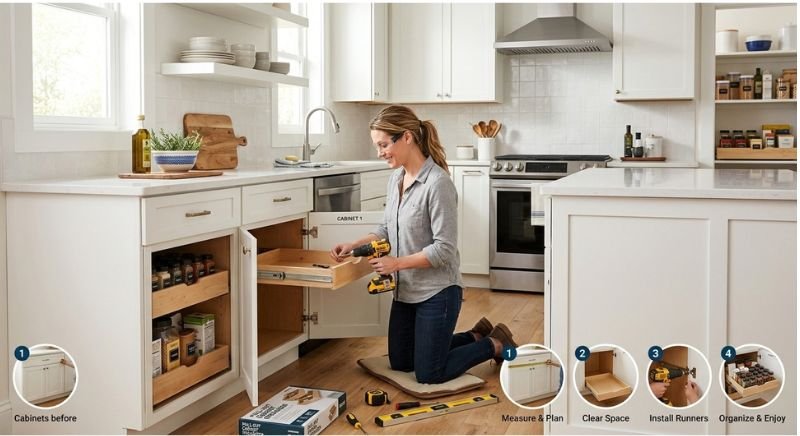
Good kitchen storage helps you use your space more efficiently. Even a large kitchen can feel crowded when cabinets and counters are poorly organized.
Kitchen organization should make frequently used items easy to reach. It should also reduce clutter and make cleaning simpler.
How to Organize a Small Kitchen Pantry
Start by removing expired food, duplicate items, and products you rarely use. Group similar items together, such as grains, canned foods, snacks, spices, and baking supplies.
Use clear containers or labeled storage bins where practical. Place frequently used products at eye level and less-used items on higher shelves.
How to Make Better Use of Limited Kitchen Space
Use vertical space, cabinet doors, corners, and unused wall areas. Adjustable shelves and stackable organizers can create more storage without expanding the kitchen.
Keep everyday items close to the areas where you use them. Store cooking tools near the preparation area and cleaning supplies away from food.
Avoid filling every available space. A kitchen needs enough open area for safe movement and comfortable work.
Open Shelving vs. Cabinets
Open shelving can make a kitchen feel more open and allow quick access to everyday items. However, shelves also expose dishes to dust, grease, and visual clutter.
Closed cabinets provide concealed storage and can create a cleaner appearance. They may also require more effort when searching for items inside.
Space-Saving Kitchen Storage Ideas
Use pull-out organizers, drawer dividers, wall-mounted racks, and narrow storage carts where suitable. A corner shelf can also improve access to unused areas.
Install hooks for lightweight tools and use vertical dividers for trays, cutting boards, and baking sheets.
Choose storage products that fit your cabinet dimensions. An organizer that is too large can reduce usable space instead of improving it.
How to Keep Kitchen Storage Organized
Give every frequently used item a consistent place. Return items after use and review storage areas regularly.
Avoid keeping too many products in one cabinet. Crowded storage makes it harder to find items and can lead to unnecessary purchases.
A short weekly organization routine can help maintain your kitchen pantry organization and prevent clutter from building up.
Kitchen Cabinet Improvements and Updates
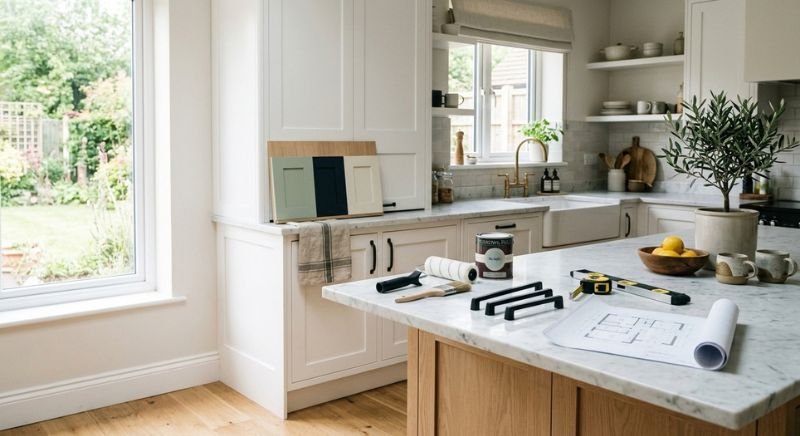
Kitchen cabinets influence storage, appearance, and daily convenience. You may not need to replace them to achieve meaningful kitchen cabinet updates.
Before making changes, check whether the cabinet boxes are structurally sound and whether the hinges, doors, and shelves can be repaired.
How to Update Kitchen Cabinets Without Replacing Them
You can update cabinets by replacing handles, adjusting hinges, changing doors, adding organizers, or applying a suitable finish.
New hardware can create a noticeable visual change without requiring major work. Interior organizers can also improve how the cabinets function.
How to Choose Cabinet Colors for a Small Kitchen
Light cabinet colors can help a small kitchen feel brighter and more open. White, soft gray, muted beige, and other light shades may work well in spaces with limited natural light.
Dark colors can create contrast but may make a small space feel heavier when combined with poor lighting.
When to Repair, Refinish, or Replace Kitchen Cabinets
Repair may be enough when the cabinet doors, hinges, or handles are damaged but the main structure remains strong.
Refinishing can work when surfaces are worn or outdated but the cabinet material is suitable for a new finish.
Replacement may be necessary when cabinets have major water damage, weak structures, severe swelling, or an unsuitable layout.
Assess the condition before choosing the most expensive option.
Ways to Improve Cabinet Function and Storage
Add drawer dividers, pull-out shelves, lazy Susans, and vertical organizers where they fit your cabinets.
Adjust doors and hinges that do not close correctly. Replace damaged handles and repair loose components before they cause additional damage.
Use the cabinet’s available space carefully. Storage improvements should make items easier to access rather than simply adding more containers.
How to Maintain Kitchen Cabinets
Clean cabinet surfaces with products suitable for their material and finish. Avoid excessive water around wooden or engineered cabinet components.
Dry spills quickly, especially near the sink and dishwasher. Check hinges, handles, and cabinet bases for signs of moisture or damage.
Kitchen Countertops: Choosing, Improving and Maintaining Them

Kitchen countertops receive frequent use and must handle food preparation, spills, heat, and cleaning. The right material depends on your budget, cooking habits, maintenance preferences, and kitchen design.
A practical countertop should look good while supporting everyday work.
How to Choose a Kitchen Countertop Material
Consider durability, stain resistance, heat tolerance, maintenance, appearance, and installation cost.
Common countertop materials include laminate, tile, solid surface, quartz, granite, and other natural or engineered options. Each material has different care requirements.
Think about how often you cook and whether you regularly place hot cookware or acidic foods on the surface.
Best Countertop Materials for a Small Budget
Laminate can offer a range of colors and patterns at a relatively accessible price. Tile may also provide design flexibility, although grout requires regular cleaning.
Other materials may fit a limited budget depending on local availability, installation requirements, and the size of the kitchen.
How to Choose a Countertop for Your Kitchen
Match the countertop to your kitchen layout, cabinet colors, backsplash, and daily needs. A busy pattern may hide small marks, while a simple surface can create a cleaner appearance.
Measure the space carefully and account for sink openings, edges, backsplashes, and installation requirements.
Choose a surface that you can maintain comfortably over time. A beautiful material may not be suitable if its care requirements do not fit your routine.
Common Countertop Problems and Repairs
Common countertop problems include stains, scratches, chips, loose edges, damaged grout, and heat marks.
The appropriate repair depends on the material. Some surfaces may require polishing or a replacement section, while others need professional restoration.
Avoid using harsh products without checking the manufacturer’s recommendations. Incorrect cleaning can damage finishes or make stains worse.
How to Maintain Kitchen Countertops
Clean spills promptly, especially acidic liquids, oils, and strongly colored foods. Use cutting boards instead of cutting directly on the surface.
Follow material-specific cleaning instructions and use suitable heat protection. Avoid placing heavy objects near damaged edges.
Regular care helps extend the life of your kitchen countertops and keeps the work area hygienic.
Kitchen Backsplash Improvements
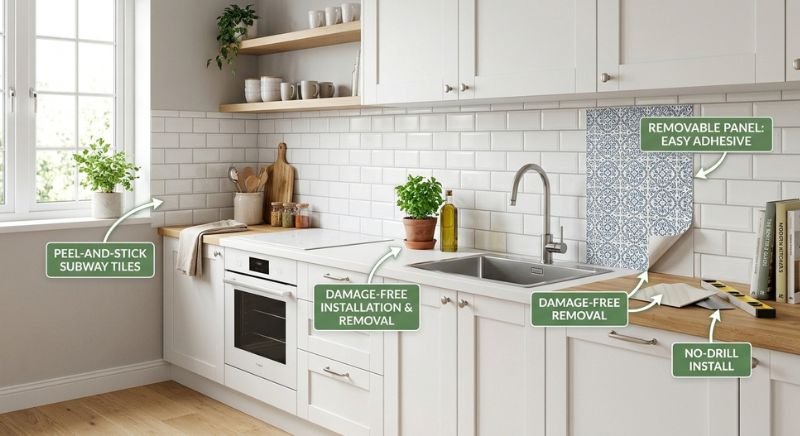
A kitchen backsplash protects walls from splashes, grease, and moisture. It can also add color, texture, and visual interest without changing the entire kitchen.
Your choice should balance appearance, cleaning needs, installation requirements, and budget.
Kitchen Backsplash Ideas for Renters
Renters can consider removable tiles, peel-and-stick panels, temporary wallpaper designed for suitable areas, or other landlord-approved options.
Choose products that are appropriate for heat and moisture exposure. Not every removable material is suitable behind a cooking surface.
For practical inspiration, see Kitchen Backsplash Ideas for Renters. Always check your rental agreement before making changes.
How to Choose the Right Kitchen Backsplash
Consider the distance between the backsplash and cooking area, the amount of cleaning required, and the existing kitchen colors.
Smooth surfaces are often easier to wipe than heavily textured designs. Small kitchens may benefit from lighter colors or simple patterns.
Choose a backsplash that works with your cabinets and countertops instead of competing with every other feature.
Budget-Friendly Backsplash Improvements
You do not always need to replace the entire backsplash. Deep cleaning, repairing damaged grout, replacing a small section, or adding a limited accent area may create a noticeable improvement.
Use removable options when a permanent installation is not necessary. Compare material and labor costs before choosing a design.
How to Maintain and Clean a Kitchen Backsplash
Wipe spills before they dry, especially near the stove and sink. Use a cleaner suitable for the backsplash material.
Inspect grout for stains, cracks, or moisture damage. Avoid abrasive products that can scratch delicate surfaces.
Regular kitchen cleaning can reduce grease buildup and help maintain the backsplash’s appearance.
Kitchen Sink and Faucet Improvements
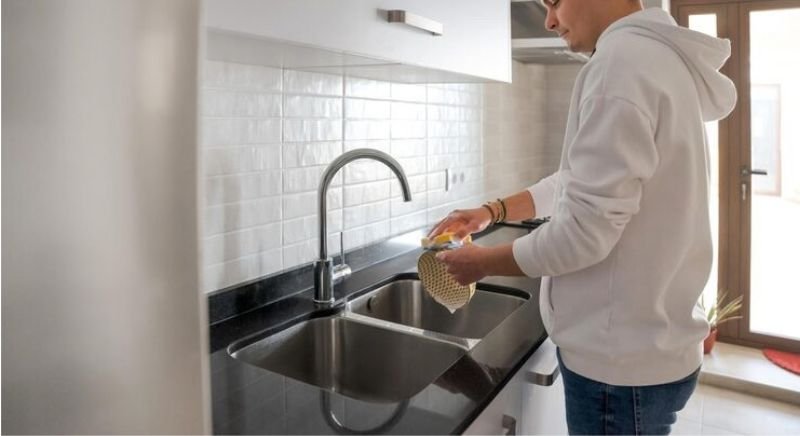
The kitchen sink is one of the most frequently used areas in a home. Its material, size, faucet, and drainage system all affect convenience.
Good maintenance can reduce stains, leaks, odors, and unnecessary repairs.
How to Choose a Kitchen Sink Material
Common kitchen sink materials include stainless steel, porcelain or ceramic, granite composite, fireclay, and other manufactured options.
Consider durability, cleaning requirements, scratch resistance, heat tolerance, and overall appearance.
For a detailed comparison, see How to Choose a Kitchen Sink Material. Choose a material that fits your budget and daily kitchen habits.
Common Kitchen Sink Problems
Common problems include clogged drains, leaking faucets, stains, unpleasant odors, damaged seals, and slow drainage.
Check whether the issue comes from the sink bowl, faucet, drain, P-trap, or supply connections. Identifying the source helps you choose the correct repair.
Address leaks quickly to reduce the risk of cabinet and flooring damage.
How to Remove Stains From a Kitchen Sink
The best stain-removal method depends on the sink material. Start with a gentle cleaning method and avoid harsh chemicals that may damage the surface.
Do not use abrasive tools on finishes that scratch easily. Always follow the material manufacturer’s care guidance.
Kitchen Sink Maintenance Tips
Clean the sink regularly and remove food debris from the drain area. Avoid pouring grease and oils into the drain.
Check the faucet base and supply connections for moisture. Clean the aerator when mineral buildup affects water flow.
Use suitable cleaning products and dry the surface when necessary to reduce water spots and buildup.
When a Kitchen Sink Needs Repair or Replacement
Repair may be appropriate when the issue involves a faucet, seal, drain connection, or small component.
Replacement may make more sense when the sink has serious cracks, extensive corrosion, persistent leaks, or a design that no longer meets your needs.
Consider the installation cost and condition of surrounding countertops before choosing a replacement.
Kitchen Lighting Improvements
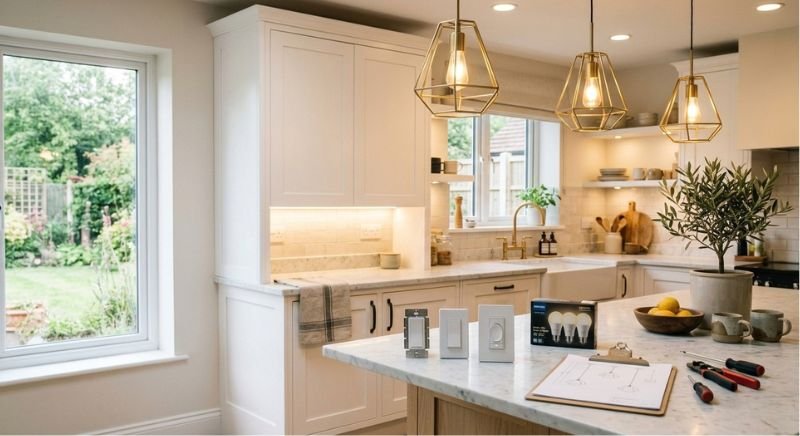
Good kitchen lighting improves visibility, comfort, and safety. It also affects how colors, surfaces, and the overall kitchen design appear.
A well-lit kitchen usually combines more than one type of lighting.
Best Lighting Ideas for a Small Kitchen
Under-cabinet lighting can brighten work surfaces without taking up counter space. Recessed fixtures may provide general lighting where the ceiling allows installation.
Pendant lights can add visual interest, but their size and placement should suit the kitchen layout.
Types of Kitchen Lighting
Common types include ceiling fixtures, recessed lights, pendant lights, under-cabinet lighting, track lighting, and wall-mounted fixtures.
Each option serves a different purpose. Choose based on the kitchen’s size, ceiling height, work areas, and existing electrical setup.
A combination of fixtures often creates better coverage than relying on one central light.
Task, Ambient, and Accent Lighting
Task lighting illuminates work areas such as counters, sinks, and cooking surfaces. Ambient lighting provides general illumination throughout the room.
Accent lighting highlights design features, shelves, artwork, or architectural details.
Combining these lighting layers can make the kitchen more functional and visually balanced.
How to Improve Lighting in a Small Kitchen
Identify dark areas and focus lighting on the places where you prepare food or clean dishes.
Use lighter surfaces to reflect available light, but do not rely on color alone. Poorly positioned fixtures can create shadows even in a bright kitchen.
For electrical changes, work with a qualified professional when wiring, circuits, or fixed connections are involved.
Common Kitchen Lighting Mistakes
Common mistakes include using only one central fixture, creating shadows over work surfaces, choosing overly bright lights, and ignoring color temperature.
Poor placement can make the kitchen uncomfortable to use. Fixtures should support tasks without producing glare.
Consider the kitchen’s layout before installing new lighting.
Budget Kitchen Upgrades Without a Full Renovation
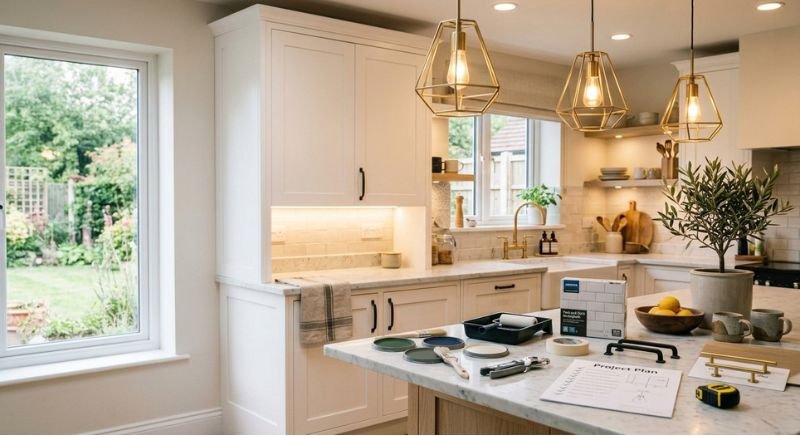
A full renovation is not the only way to improve a kitchen. Small, well-planned updates can change the appearance and function of the space.
The best budget kitchen upgrades usually focus on visible improvements and everyday problems.
Budget Ways to Upgrade a Kitchen Without Renovating
Replace cabinet handles, organize drawers, update lighting, refresh walls, replace worn accessories, or improve countertop organization.
You can also add a simple backsplash feature or use removable products when permanent work is unnecessary.
How to Freshen Up a Kitchen on a Budget
Start with deep cleaning and decluttering. Clean cabinet fronts, remove unnecessary items, and improve pantry organization.
Add a few coordinated accessories, replace worn textiles, or update hardware. These small changes can create a more consistent appearance.
Affordable Kitchen Improvements With a Big Impact
Improvements with a noticeable effect may include better lighting, cabinet hardware, improved storage, fresh paint, and repaired fixtures.
Choose changes that affect large or frequently used areas. A small investment in a poorly lit work surface may provide more daily value than decorative items.
Prioritize quality and function instead of buying several temporary products.
Renter-Friendly Kitchen Improvements
Renters can focus on removable upgrades, organization, portable lighting, temporary backsplash materials, and non-permanent hardware changes.
Always check whether an improvement can be removed without damaging walls, cabinets, or countertops.
Avoid permanent alterations without the property owner’s approval.
DIY Kitchen Upgrades vs. Professional Work
DIY kitchen upgrades may include organizing cabinets, replacing suitable hardware, cleaning surfaces, and using removable decorative products.
Professional work may be necessary for electrical wiring, gas connections, major plumbing, structural changes, and countertop installation.
Do not attempt a task simply because a tutorial makes it look easy. Consider the risks, tools, and consequences of an incorrect repair.
Common Kitchen Repairs and Maintenance
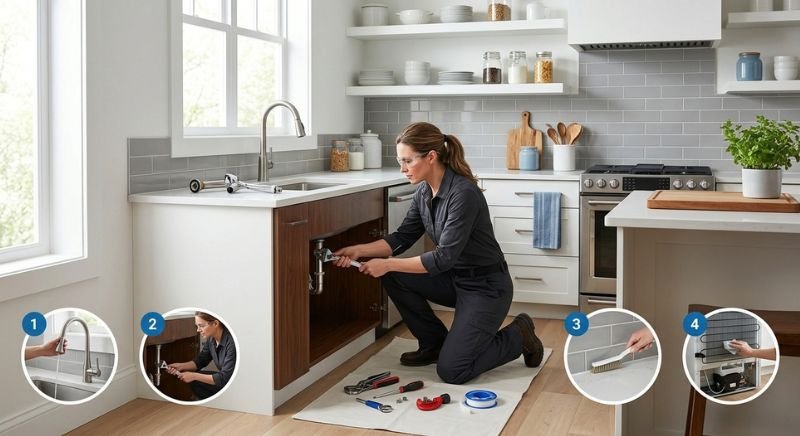
Regular maintenance helps protect kitchen surfaces, fixtures, appliances, and storage systems. It also makes it easier to notice small problems before they become expensive.
Create a routine that fits your kitchen’s age, materials, and level of use.
Common Kitchen Problems Homeowners Should Watch For
Watch for leaking faucets, slow drains, damaged cabinet bases, stained countertops, poor ventilation, loose handles, and faulty lighting.
Also check for moisture beneath sinks and around dishwashers. Water damage may remain hidden until materials begin to swell or discolor.
Early attention can help reduce larger kitchen repair costs.
How to Handle Minor Kitchen Repairs
Minor repairs may include tightening suitable hardware, replacing cabinet handles, cleaning a clogged aerator, or adjusting cabinet hinges.
Follow product instructions and use the correct tools. Turn off water or electricity when necessary and only when you understand the safe procedure.
If a repair involves hidden wiring, gas, major plumbing, or structural damage, seek professional help.
How to Prevent Kitchen Water Damage
Inspect the sink, faucet, dishwasher connections, and visible pipes regularly. Wipe up spills and repair leaks quickly.
Avoid storing items where they block access to plumbing connections. Know how to shut off the water supply during an emergency.
Good kitchen maintenance tips include checking under-sink cabinets for moisture, stains, and unusual odors.
How to Keep Kitchen Fixtures in Good Condition
Clean faucets, sinks, handles, and other fixtures with suitable products. Remove mineral buildup before it affects performance.
Avoid using excessive force on handles and valves. Check loose connections and address small leaks promptly.
Proper care can extend the life of kitchen fixtures and reduce the need for frequent replacement.
How Often Should You Maintain Different Kitchen Areas?
Clean high-use surfaces daily or as needed. Check sinks, faucets, and visible plumbing connections regularly.
Review cabinets, pantry storage, appliances, and ventilation systems monthly or according to the manufacturer’s recommendations.
Schedule professional inspections or servicing when required for specific appliances, electrical systems, or plumbing components.
When a Kitchen Repair Requires Professional Help
Professional assistance is appropriate for gas leaks, major electrical problems, extensive water damage, serious plumbing leaks, structural concerns, and complex appliance repairs.
You should also seek help when a problem returns after a basic repair or when the cause is unclear.
A qualified professional can identify risks that may not be visible during a simple inspection.
How to Improve a Small Kitchen
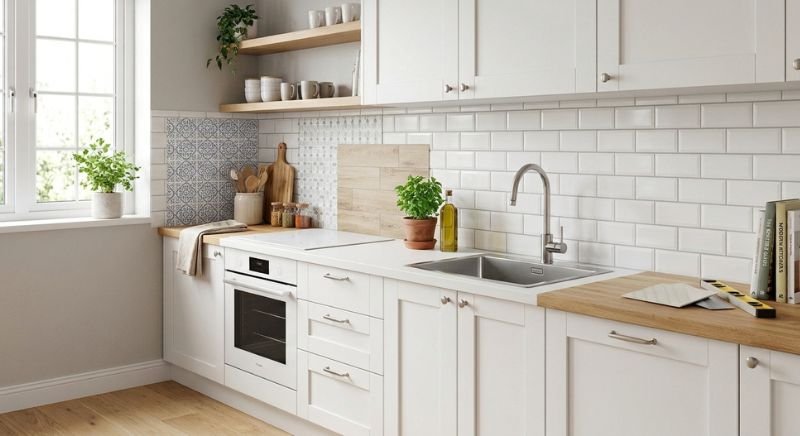
Small kitchens can work well when the layout, storage, colors, and lighting support everyday tasks.
The goal is not to fill every space. It is to make the available space easier to use.
Make a Small Kitchen Feel More Spacious
Use a consistent color palette, reduce visual clutter, and keep frequently used surfaces clear.
Reflective surfaces, suitable lighting, and open areas can help the kitchen feel less crowded. Avoid using too many contrasting finishes in a limited space.
Choose furniture and storage solutions that match the kitchen’s scale.
Improve Storage Without Expanding the Kitchen
Use vertical shelves, cabinet organizers, pull-out baskets, hooks, and drawer dividers.
Store items according to how often you use them. Keep everyday products within easy reach and move rarely used items to less accessible areas.
These small kitchen storage changes can improve function without requiring construction.
Choose Colors That Work in Small Kitchens
Light colors may help reflect light and create an open appearance. Soft neutrals can also make it easier to coordinate cabinets, countertops, and backsplash materials.
You do not need to avoid dark colors completely. Use them selectively through hardware, accessories, accent areas, or carefully planned cabinet colors.
Improve Lighting in a Small Kitchen
Use task lighting beneath cabinets or near preparation areas. Add suitable ambient lighting to reduce dark corners.
Check whether existing fixtures create shadows across counters or sinks. Correct placement often matters as much as brightness.
Electrical installations should be completed by a qualified professional when they involve wiring or fixed connections.
Use Cabinets and Shelving Efficiently
Avoid storing too many items in one cabinet. Use vertical dividers for trays, stackable shelves for dishes, and organizers for small products.
Open shelving may work in selected areas, but it requires regular cleaning and organization.
Choose storage solutions based on your kitchen layout rather than following a trend without considering function.
Kitchen Maintenance Checklist
Use this checklist to review important kitchen areas and identify problems early.
Kitchen Cabinets
- Check doors, hinges, handles, and shelves.
- Look for moisture damage near the sink.
- Clean surfaces using suitable products.
- Remove clutter from frequently used cabinets.
Countertops
- Wipe spills quickly.
- Check for chips, cracks, and damaged edges.
- Use cutting boards and heat protection.
- Follow the correct care instructions for the material.
Sink and Faucet
- Check for leaks around the faucet and drain.
- Clean the sink and remove food debris.
- Inspect visible supply connections.
- Watch for slow drainage or unusual odors.
Backsplash and Walls
- Clean grease and splash marks.
- Check grout for cracks or discoloration.
- Inspect areas near sinks for moisture.
- Repair damaged sections when needed.
Lighting and Fixtures
- Check whether work areas have enough light.
- Clean accessible fixtures safely.
- Replace suitable bulbs when needed.
- Seek professional help for wiring problems.
Pantry and Storage
- Remove expired food.
- Group similar products.
- Check for moisture or pests.
- Review unused items and reduce clutter.
Appliances and Ventilation
- Clean appliances according to manufacturer instructions.
- Inspect accessible seals, filters, and connections.
- Keep ventilation areas clear.
- Arrange professional servicing when required.
Kitchen Home Improvement Ideas for Different Budgets
The right kitchen improvement plan depends on your available budget and the condition of your kitchen.
Start with improvements that solve actual problems before spending money on decorative changes.
Low-Cost Kitchen Improvements
Low-cost improvements may include new cabinet handles, drawer organization, deep cleaning, removable backsplash updates, and improved storage.
You can also rearrange countertop items, replace worn accessories, and improve lighting with suitable portable options.
These affordable kitchen improvements can create a noticeable change without major construction.
Mid-Range Kitchen Upgrades
Mid-range projects may include cabinet refinishing, new countertops, upgraded lighting, improved sinks, or selected backsplash work.
The final cost depends on the material, kitchen size, installation requirements, and local labor rates.
Choose improvements that work together instead of completing unrelated changes at different times.
Larger Kitchen Improvement Projects
Larger projects may involve cabinet replacement, flooring updates, new appliances, layout changes, plumbing relocation, or extensive electrical work.
These improvements require more planning and may affect several parts of the kitchen at once.
Create a detailed budget and consult suitable professionals before starting major work.
How to Prioritize Kitchen Improvements
Start with safety, water damage, electrical problems, and essential repairs. Then focus on storage, lighting, and features that affect daily use.
After functional improvements, consider cosmetic updates such as cabinet colors, backsplash designs, and decorative accessories.
This approach helps you manage your budget while improving the kitchen in a practical order.
When Should You Repair, Upgrade, or Remodel Your Kitchen?
The right choice depends on the condition of your kitchen, your budget, and how well the current layout supports your needs.
A repair may solve one problem, while an upgrade can improve a feature. A remodel may be necessary when several parts of the kitchen no longer work together.
When a Repair Is Enough
A repair may be enough when the issue is limited to a damaged handle, leaking faucet, loose hinge, clogged drain, or small surface problem.
Repairing a functional feature can be more affordable than replacing it. First, check whether the underlying structure remains in good condition.
When an Upgrade Makes More Sense
An upgrade may be useful when a feature works but no longer meets your needs. Examples include adding cabinet organizers, improving lighting, replacing hardware, or updating a worn countertop surface.
Upgrades can improve convenience without requiring a complete kitchen renovation.
When a Kitchen Remodel May Be Necessary
A remodel may make sense when the layout is inefficient, cabinets are structurally damaged, storage is inadequate, or major systems need coordinated work.
Consider remodeling when repeated repairs no longer solve the underlying problems.
A larger project should include careful planning for plumbing, electrical work, ventilation, flooring, and installation costs.
Signs Your Kitchen Needs Professional Attention
Seek professional help for major water damage, gas concerns, electrical faults, structural damage, unsafe flooring, and complex plumbing problems.
You should also request professional advice when the cause of a recurring issue is unclear.
Addressing serious problems early can help protect your home and prevent additional repair costs.
Kitchen Home Improvement FAQs
What Are the Best Kitchen Improvements on a Budget?
Affordable kitchen improvement ideas include updating cabinet hardware, improving lighting, organizing storage, and refreshing surfaces. Renter-friendly kitchen upgrades, such as removable backsplashes and temporary accessories, can also create a noticeable change. Focus on practical kitchen makeover ideas that improve everyday use without requiring a complete renovation.
What Kitchen Upgrades Add the Most Value?
The value of kitchen upgrade ideas depends on your home’s condition, local preferences, and installation quality. Practical improvements such as durable kitchen flooring, reliable kitchen appliances, functional storage, and updated fixtures can improve usability. Choose upgrades that suit your kitchen’s design and long-term needs rather than following trends alone.
How Can I Improve My Kitchen Without Remodeling?
You can refresh your home kitchen improvement plan without a full remodel by updating cabinet hardware, improving lighting, organizing kitchen shelves, and refreshing surfaces. Simple kitchen makeover ideas, including new accessories and suitable cabinet colors, can change the appearance while keeping your existing layout and reducing costs.
How Can I Make a Small Kitchen More Functional?
Small kitchen improvements can make limited spaces more practical through vertical storage, cabinet organizers, efficient kitchen shelves, and space-saving accessories. Use these small kitchen ideas to keep frequently used items accessible, reduce clutter, and improve movement. Select storage solutions based on your kitchen’s actual dimensions and daily needs.
How Often Should a Kitchen Be Maintained?
Regular kitchen home improvement maintenance includes cleaning frequently used surfaces, checking faucets and cabinets, and organizing pantry storage. Kitchen sink cleaning should be part of your routine, while appliances and visible connections need periodic checks. Your maintenance schedule depends on kitchen usage, material types, appliance conditions, and the age of the space.
What Kitchen Repairs Can You DIY?
Simple kitchen upgrade ideas for DIY projects include replacing compatible handles, organizing cabinets, cleaning surfaces, and adjusting suitable hinges. You can also explore budget-friendly kitchen renovation ideas through minor cosmetic updates. Avoid gas, complex electrical work, major plumbing, and structural repairs unless handled by a qualified professional.
When Should You Remodel Instead of Repairing a Kitchen?
Consider kitchen remodeling ideas when your kitchen has an inefficient layout, extensive damage, outdated systems, or insufficient storage that repairs cannot resolve. Kitchen renovation ideas may include improving the layout, upgrading appliances, or replacing flooring and cabinets. Compare the renovation on a budget options, existing condition, and long-term plans before deciding between repairs and a complete kitchen makeover.